Introduction
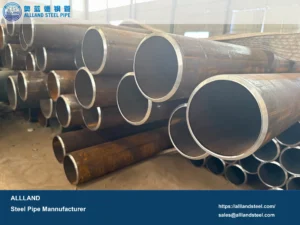
ERW steel pipe is widely used in oil & gas, water transmission, structural engineering, and piling projects due to its high efficiency, dimensional accuracy, and cost advantages.
China has developed a mature ERW pipe manufacturing system with strong production capacity, international certifications, and stable export experience.
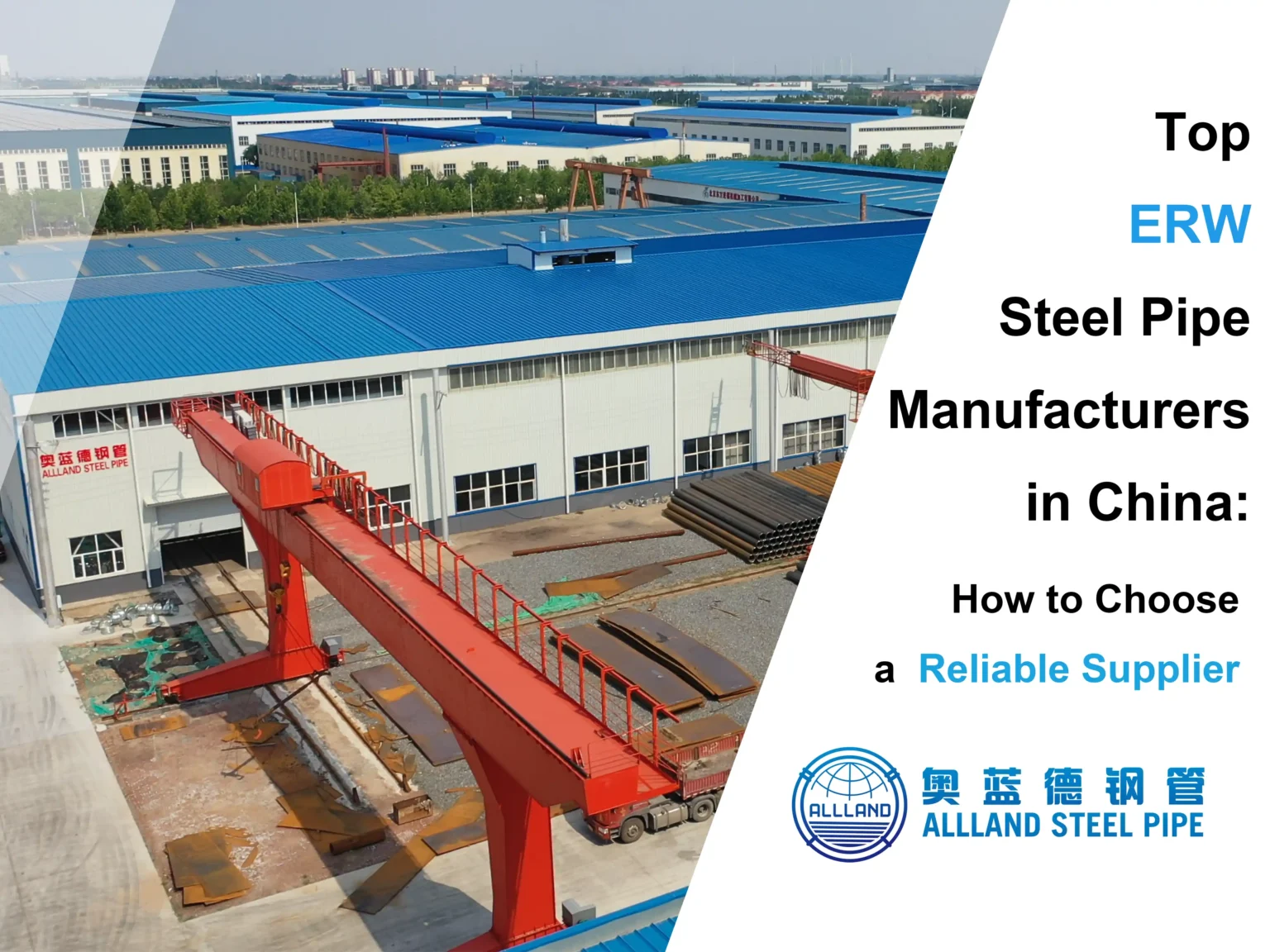
As a leading ERW steel pipe manufacturer in China, ALLLAND Steel Pipe provides reliable welded pipe solutions for global industrial and infrastructure projects.
What Is ERW Steel Pipe?
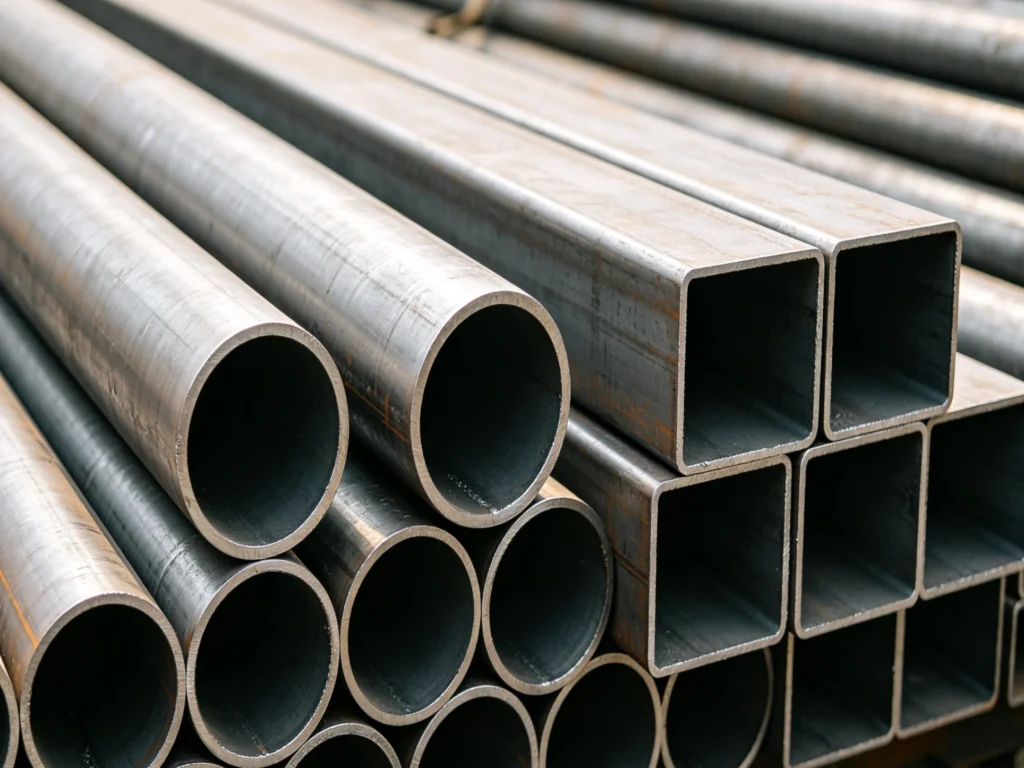
ERW steel pipe (Electric Resistance Welded Pipe) is a welded steel pipe produced by continuously forming steel coils and fusing the edges of the steel strip using high-frequency resistance welding technology. This process does not require filler material and is characterized by high production efficiency and excellent weld uniformity.
Compared to seamless steel pipes, ERW pipes offer advantages in dimensional consistency, cost control, and production efficiency, making them widely used in oil and gas pipelines, water transmission, structural construction, and mechanical manufacturing.
The performance of ERW steel pipes is highly dependent on the welding process and quality control systems. Particularly in API 5L pipeline projects, weld stability and pressure-bearing capacity are critical.Therefore, selecting an electric resistance welded pipe manufacturer with comprehensive testing capabilities is essential.
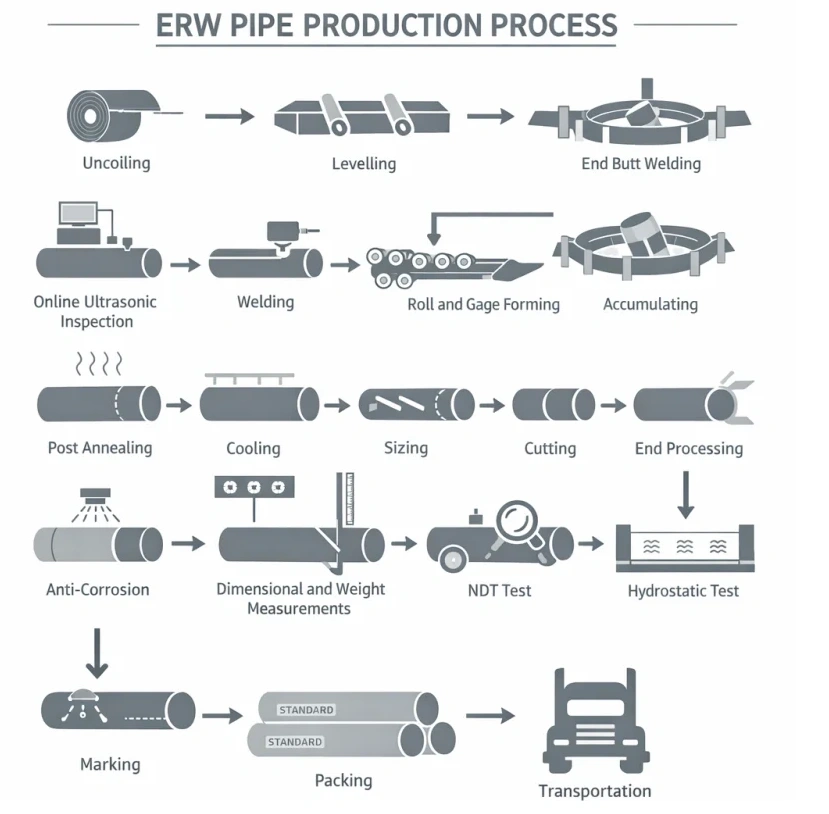
ERW Pipe Manufacturing Process
At ALLLAND Steel Pipe, advanced high-frequency welding production lines and rigorous in-process inspection systems help ensure consistent weld quality and dimensional accuracy. Through its comprehensive production and inspection systems, ALLLAND is able to provide international customers with reliable ERW pipe solutions.
Why China Dominates the Global ERW Pipe Industry
China’s emergence as a major global manufacturing hub for the ERW steel pipe industry is not solely due to its low-cost advantage; more importantly, it has developed a comprehensive and mature steel pipe industrial system. From raw material supply to large-scale manufacturing and international export support, China’s ERW steel pipe industry has established strong overall competitiveness.
Complete Steel Supply Chain
China boasts the world’s most comprehensive steel industry chain, with a high concentration of hot-rolled coil suppliers, steel plate processing companies, and supporting anti-corrosion manufacturers, enabling ERW steel pipe manufacturers to secure a more stable supply of raw materials. This clustering effect not only helps control production costs but also effectively shortens delivery times.
Large-Scale Manufacturing
Second, China’s steel pipe industry possesses highly mature large-scale manufacturing capabilities. Many Chinese ERW pipe factories operate multiple automated production lines, enabling them to simultaneously meet the demands of various specifications, standards, and projects. This large-scale manufacturing capability is particularly crucial for large-scale oil and gas pipeline projects or infrastructure projects, as a stable supply chain is often directly linked to the overall project schedule.
Export Experience
After years of development in the international market, Chinese steel pipe manufacturers have established a comprehensive export system. Whether it comes to API-compliant production, project documentation support, marine packaging, or international logistics coordination, Chinese manufacturers have accumulated extensive experience. This is a key reason why an increasing number of international buyers are willing to establish long-term partnerships with Chinese ERW pipe suppliers.
Hebei Industrial Advantage
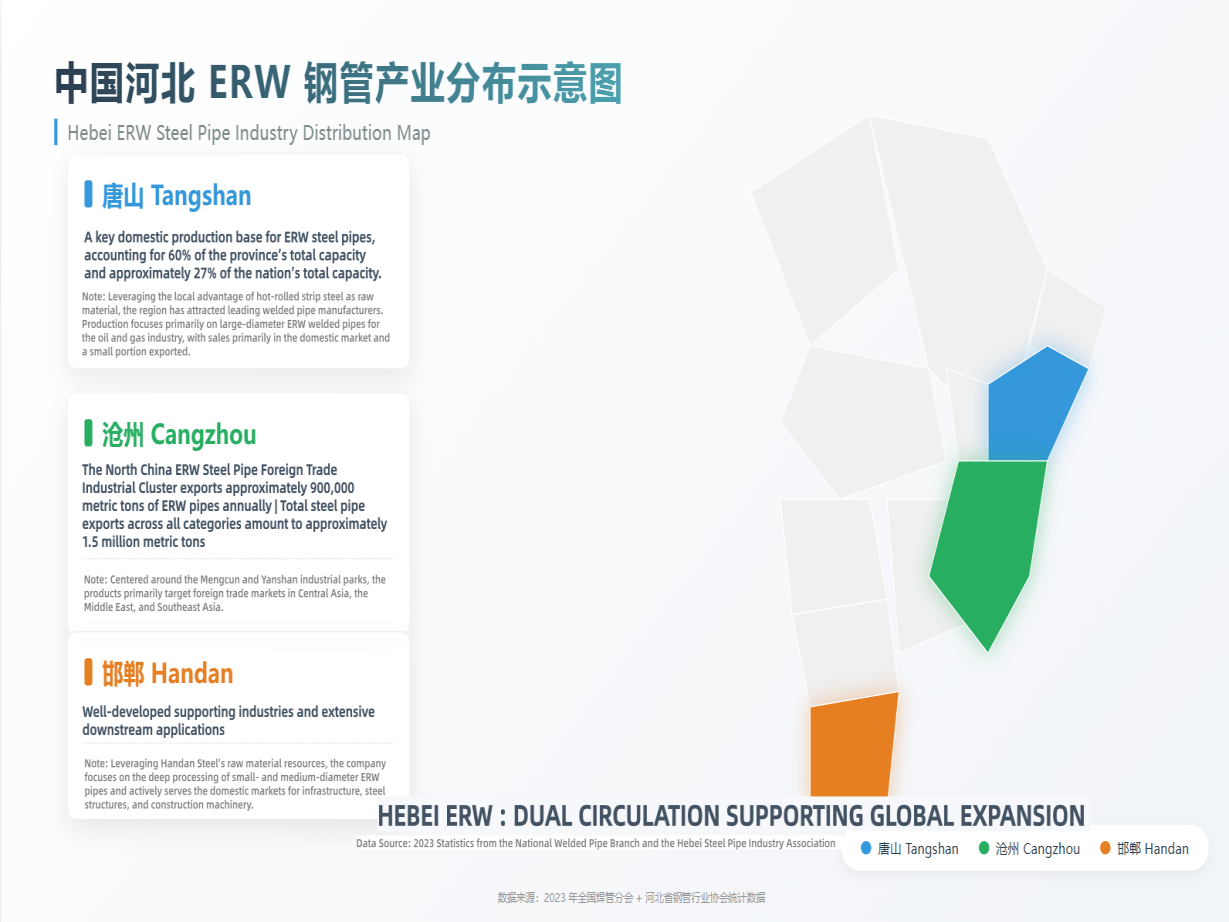
Within China’s steel pipe industry landscape, the Hebei region is particularly representative. Leveraging the presence of large steel enterprises in the surrounding area and a well-established supporting industrial ecosystem, Hebei has become one of China’s most important hubs for the steel pipe industry. The region not only boasts a robust manufacturing infrastructure but also features a mature export logistics system and extensive industry experience.
As a leading ERW steel pipe manufacturer based in Hebei, ALLLAND fully benefits from the region’s well-established steel pipe industry ecosystem. With a stable supply of raw materials, a comprehensive production system, and efficient international logistics support, ALLLAND is able to consistently provide high-quality welded steel pipe products to overseas customers. Additionally, ALLLAND holds international certifications such as API, ISO, and CE, and offers OEM and custom manufacturing services to meet the diverse needs of various countries and engineering projects.
| ALLLAND Advantage |
Value for Global Buyers |
| Located in Hebei, one of China’s major steel pipe manufacturing regions |
Hebei is one of China’s core steel pipe industrial regions, with a mature steel supply chain, experienced manufacturing resources, and strong industrial support, helping ensure stable production and fast delivery. |
| Stable raw material supply |
Supported by nearby large-scale steel mills and a stable raw material supply system, ALLLAND can maintain consistent product quality and reliable production schedules. |
| Export-oriented production system |
With years of international market experience, ALLLAND is familiar with global standards, export documentation, and international project procurement requirements. |
| API / ISO / CE certification |
International certifications demonstrate ALLLAND’s capability to support pipeline projects, structural engineering, and EPC projects worldwide. |
| Mature international logistics support |
Extensive experience in container shipping and bulk cargo transportation helps reduce delivery risks and improve shipping efficiency. |
| Flexible OEM and customized production capability |
ALLLAND supports customized sizes, coating solutions, special packaging, and OEM production to meet different project and market requirements. |
How to Choose a Reliable ERW Steel Pipe Manufacturer in China
For international buyers, selecting a reliable ERW steel pipe manufacturer is not only a matter of product quality but also directly impacts project timelines, construction safety, and overall procurement costs.
Therefore, when selecting a Chinese ERW pipe supplier, it is typically necessary to focus on the following key aspects.
Certification System
International certification systems serve as a key criterion for determining whether steel pipe manufacturers have the capability to supply materials for international projects.
Common certifications include:
| API 5L |
oil & gas |
| ISO 9001 |
quality management |
| CE |
European market |
| CNAS |
laboratory credibility |
Production Capacity
In addition to certification systems, production capacity is also a critical factor in the procurement process. Many international projects often require
long-term, stable, and high-volume supply; therefore, whether a manufacturer possesses large-scale manufacturing capabilities directly impacts project timelines and supply chain security.
ALLLAND operates
multiple ERW production lines capable of handling a wide range of diameters and wall thicknesses. Through automated production equipment and
a rigorous dimensional control system, we consistently maintain OD tolerance, WT tolerance, and pipe straightness, thereby ensuring product consistency and on-site installation efficiency.
At the same time, we have established
a mature export packaging system, including seaworthy packaging, bundle marking, and anti-rust protection, to meet the demands of international shipping and long-term storage.
Quality Control
For ERW pipes, quality control is often one of the top concerns for customers. This is because the quality of the weld seam directly affects the long-term safety of the pipes, especially in high-pressure transmission projects, where any welding defect can pose significant risks.
ALLLAND strictly adheres to a comprehensive quality management system, which includes:
- Hydrostatic testing
- UT inspection
- Chemical analysis
- Weld seam inspection
Every step of the process, from raw materials to finished products, undergoes rigorous testing.
Applications of ERW Steel Pipe
With continuous improvements in welding technology and manufacturing processes, ERW steel pipes have been widely adopted across various industrial sectors and have gradually become the mainstream steel pipe product in many engineering projects.
ERW Pipe for Natural Gas Transmission Systems
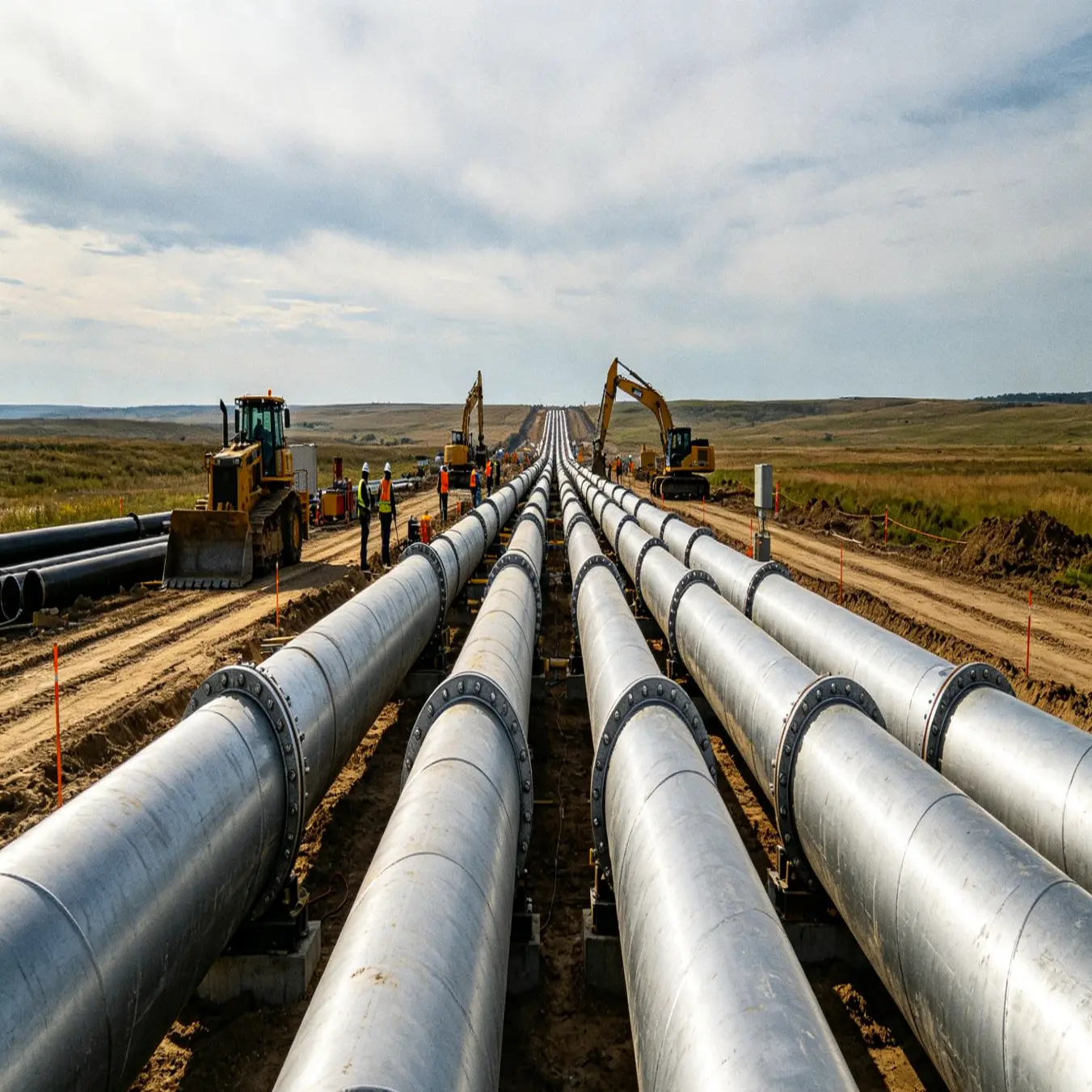
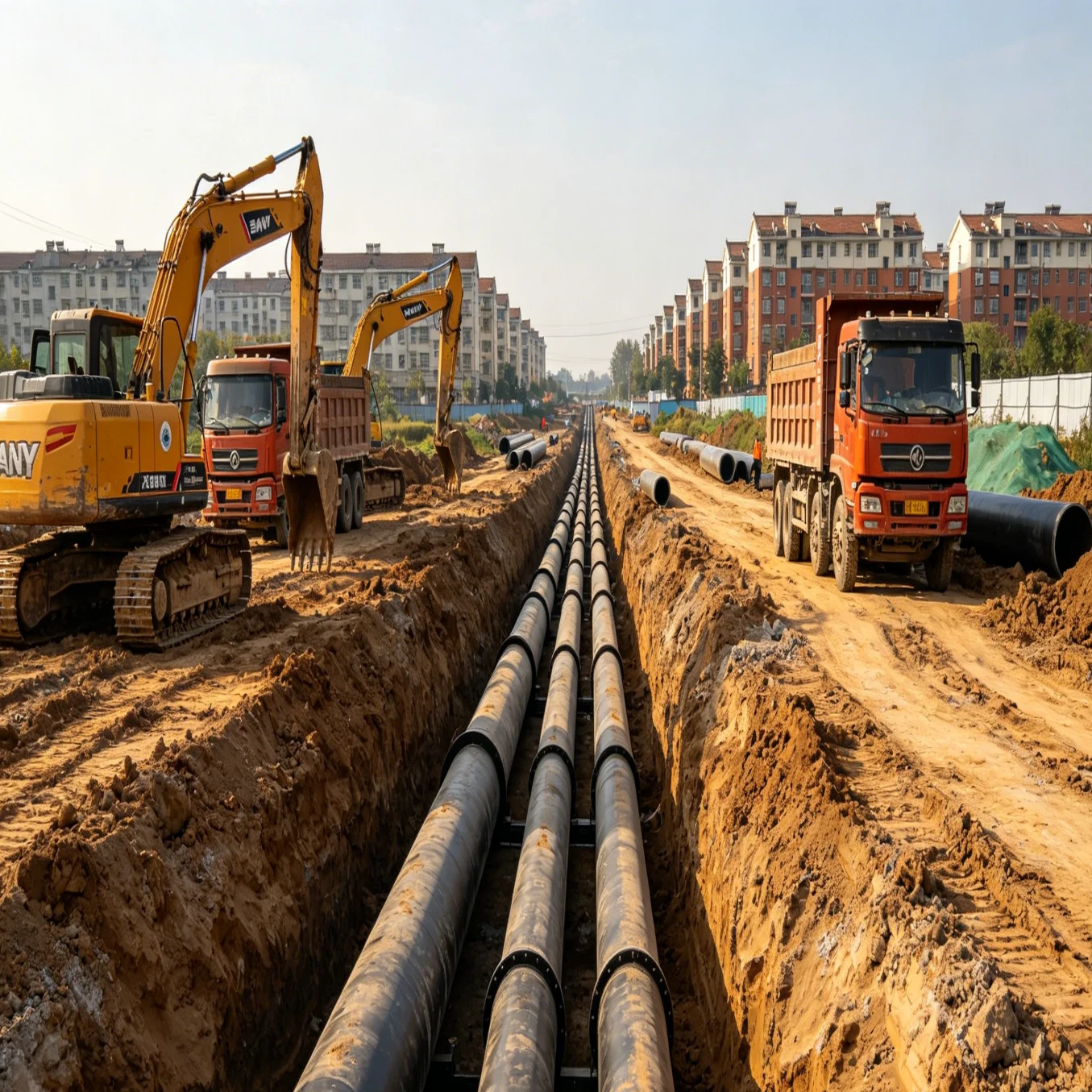
In oil and gas transmission projects, steel pipes are typically required to operate for extended periods under high pressure, over long distances, and in complex environmental conditions; therefore, project owners impose very strict requirements on the pipes’ pressure resistance, weld integrity, and mechanical properties.
Currently, API 5L ERW pipe is widely used in:
- Natural gas transmission pipelines
- Crude oil transportation systems
- Refinery pipeline projects
- Gathering pipeline systems
- Urban gas distribution networks
As a professional API-certified ERW pipe manufacturer, ALLLAND utilizes advanced high-frequency welding equipment and an online weld monitoring system in its production process to strictly control welding temperature and weld bead quality, ensuring the long-term stability of the steel pipes in high-pressure transportation environments.
ERW Steel Pipe for Municipal Water Supply Systems
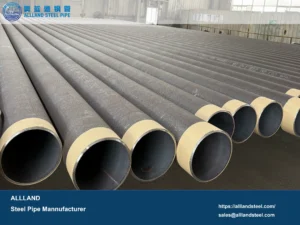
In municipal water supply and drainage systems, steel pipes not only serve to transport water but must also withstand long-term exposure to damp underground environments, corrosive substances, and challenging construction conditions. As a result, project owners typically place greater emphasis on the pipes’ corrosion resistance, weldability, and long-term durability.
For various water conveyance environments, ALLLAND offers:
Through stable welding processes and a comprehensive anti-corrosion system, ALLLAND helps customers extend the service life of steel pipes and reduce the risk of future maintenance.
Structural ERW Pipe for Industrial Workshop Construction
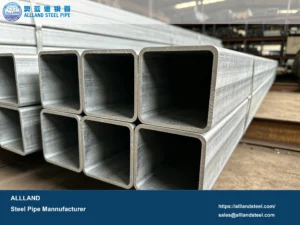
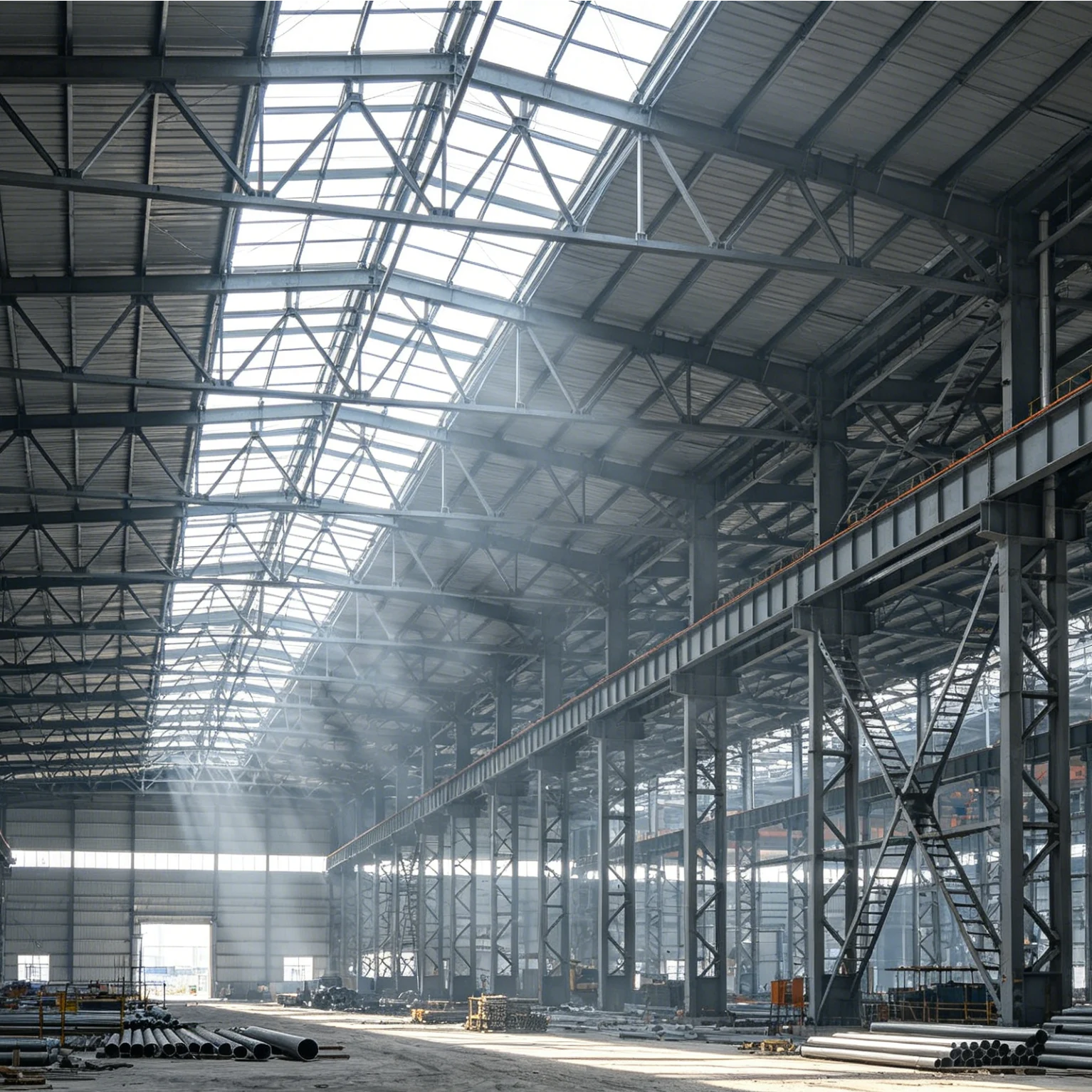
ERW structural pipe is commonly used for:
- Steel structure buildings
- Industrial workshop construction
- Warehouse projects
- Stadium steel structures
In steel structure engineering, steel pipes not only serve as connectors but must also withstand structural loads, wind loads, and structural stresses over the long term. Therefore, project owners typically place great emphasis on the
load-bearing capacity,
straightness, and
dimensional stability of steel pipes.
Large Diameter ERW Pipe for Bridge Foundation Piling
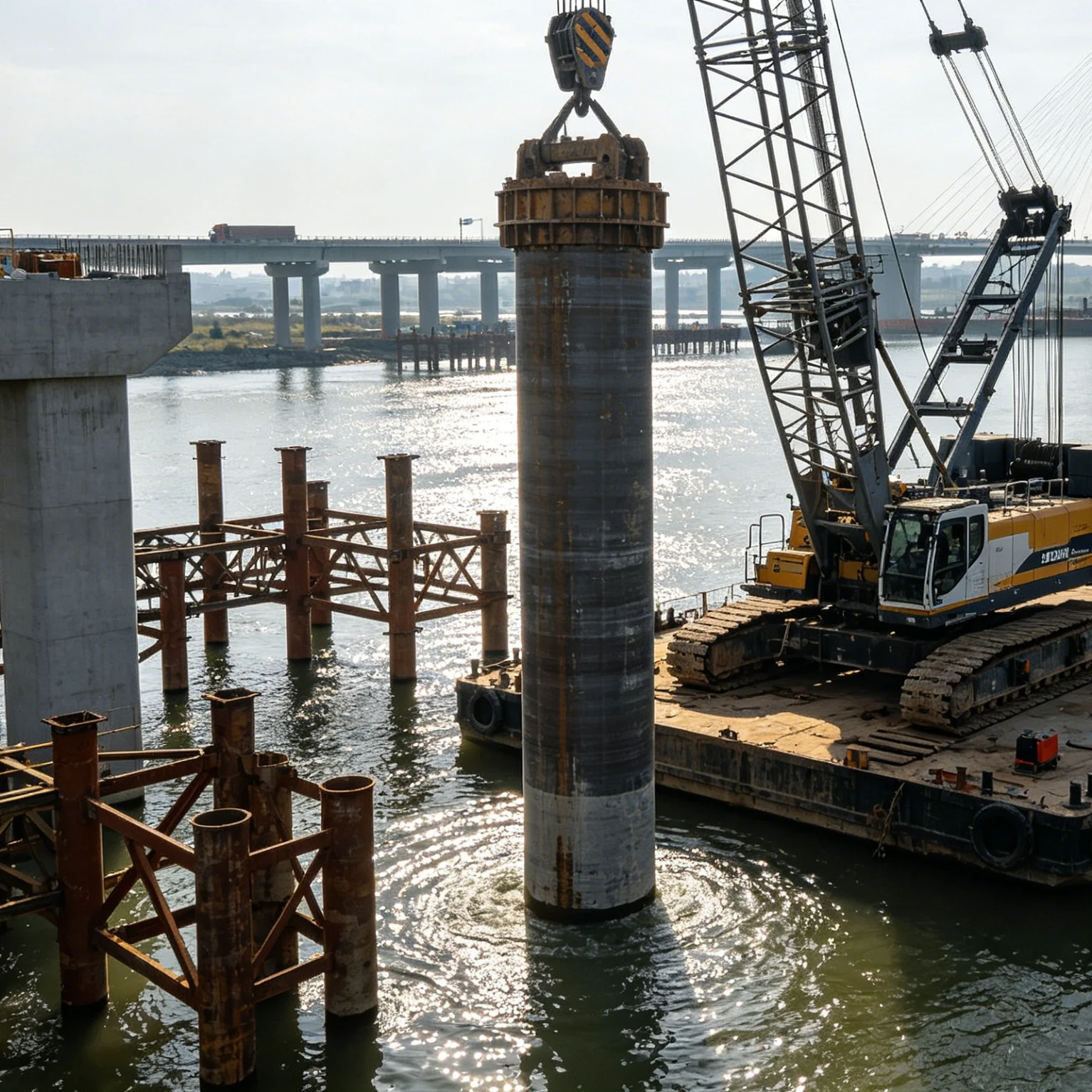
In bridge, port, and offshore infrastructure projects, steel pipe piling is primarily used to enhance foundation stability and support vertical structural loads.
Such projects place high demands on weld reliability, wall thickness uniformity, and corrosion resistance, which are particularly critical in high-salinity and high-humidity environments.
As a supplier of large-diameter ERW pipes, ALLLAND offers large-diameter, thick-walled ERW steel pipes and
customized anti-corrosion solutions suitable for bridges, ports, and offshore projects.
Why Global Buyers Choose ALLLAND Steel Pipe
In the international steel pipe procurement market, what customers truly value is often not just the price itself, but whether suppliers can consistently provide reliable products and professional services over the long term.
As one of the leading ERW steel pipe manufacturers in China, ALLLAND Steel Pipe is committed to providing reliable welded steel pipe solutions for global infrastructure, oil & gas, construction, and water transmission projects.
Whether you are looking for API 5L ERW pipes, structural welded pipes, or customized steel pipe solutions, ALLLAND can support your project with stable manufacturing capabilities, strict quality control, and professional international export services.