Welcome to ALLLAND Steel Pipe Co., Ltd.
ALLLAND JIS G3454 Steel Pipe Supply
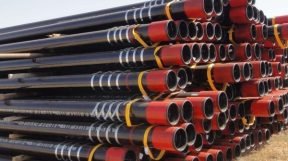
ALLLAND is a company specializing in the production and sale of steel pipes. Our carbon steel pipes are manufactured in strict accordance with the Japanese standard JIS G3454, featuring precise dimensional specifications. They offer distinct advantages in industries such as oil, natural gas, and chemicals, and are capable of meeting your project requirements. Produced through advanced seamless and ERW processes, our JIS G3454 pipes ensure excellent strength, durability, and pressure resistance. Available in a wide range of sizes and grades (STPG370 / STPG410 / STPG480), our products meet strict international quality standards.
Alllandsteel is a steel pipe manufacturer based in China with 25 years of experience.
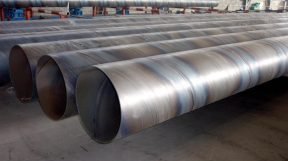
The facility spans 22,000 square meters, represents a RMB 700 million investment, and operates four production lines (JCOE, ERW, SMLS, SSAW) alongside five coating lines.
With an annual production capacity of 250,000 tons, the factory covers specifications ranging from Ø406 to Ø1524 and holds multiple international certifications (API/ASTM/EN/ISO/JIS). Focused on steel pipes, creating value for you!
HOT PRODUCTS
POPULAR ARTICLES
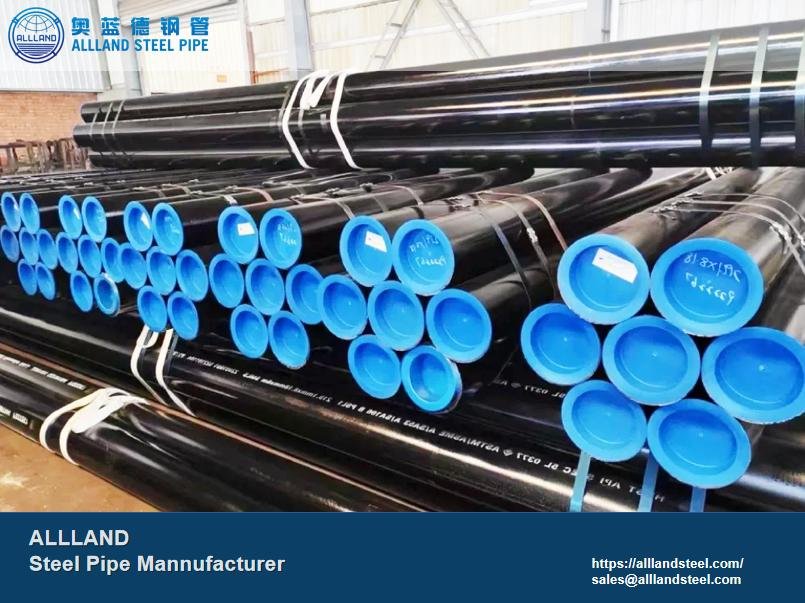
JIS G3454, which stands for Japanese Industrial Standards, is a Japanese industrial standard primarily applicable to low- and medium-pressure carbon steel pipes. The standard specifies clear limits on chemical composition and requirements for mechanical properties. Under the JIS G3454 standard, the maximum operating temperature for the steel shall not exceed 350°C; if this temperature is exceeded, both the strength and corrosion resistance of the steel will decrease, thereby posing safety hazards.
O.D.:
10.5 mm to 660.4 mm (can be extended depending on the production method)
W.T.:
SCH10, SCH20, SCH40, SCH60, SCH80
Length:
6 meters or 12 meters
Process:
Seamless, ERW;
Steel Grade:
There are two main grades: STPG 370 and STPG 410
Pipe Ends:
Plain Ends, Beveled Ends, Threaded Ends
Testing :
Hydrostatic testing, non-destructive testing, tensile testing, flattening test, bending test
Delivery Conditions:
Grade, Specification, Furnace Number, Standard
| NPS | OD (mm) | SCH 10 | SCH 20 | SCH 30 | SCH 40 | SCH 60 | SCH 80 | SCH 100 | SCH 120 | SCH 140 | SCH 160 | XXS |
| 1/2″ | 21.3 | 2.11 | 2.77 | 3.05 | 2.77 | 3.25 | 3.73 | 4.78 | 5.49 | 6.02 | 6.35 | 7.11 |
| 3/4″ | 26.7 | 2.31 | 2.87 | 3.18 | 2.87 | 3.4 | 3.91 | 4.78 | 5.49 | 6.02 | 6.35 | 7.11 |
| 1″ | 33.4 | 2.77 | 3.38 | 3.56 | 3.38 | 4.19 | 4.55 | 5.54 | 6.35 | 7.11 | 7.62 | 8.18 |
| 1-1/4″ | 42.2 | 3.05 | 3.56 | 3.91 | 3.56 | 4.55 | 4.85 | 6.02 | 6.35 | 7.11 | 7.62 | 8.18 |
| 1-1/2″ | 48.3 | 3.05 | 3.68 | 3.91 | 3.68 | 4.78 | 5.08 | 6.35 | 6.35 | 7.11 | 7.62 | 8.56 |
| 2″ | 60.3 | 3.05 | 3.91 | 4.19 | 3.91 | 4.78 | 5.54 | 6.35 | 7.01 | 7.62 | 8.18 | 9.27 |
| 2-1/2″ | 73 | 3.05 | 4.19 | 4.55 | 4.78 | 5.54 | 7.01 | 8.18 | 9.27 | 10.97 | 12.7 | 14.27 |
| 3″ | 88.9 | 3.68 | 4.78 | 5.16 | 5.49 | 6.35 | 7.62 | 9.27 | 10.97 | 12.7 | 14.27 | 16 |
| 4″ | 114.3 | 4.19 | 5.16 | 5.49 | 6.02 | 7.11 | 8.56 | 11.13 | 13.49 | 15.88 | 17.48 | 19.05 |
| 5″ | 141.3 | 4.78 | 6.02 | 6.35 | 6.55 | 8.18 | 9.53 | 12.7 | 15.09 | 17.48 | 19.05 | 21.44 |
| 6″ | 168.3 | 5.16 | 6.35 | 6.55 | 7.11 | 9.27 | 10.97 | 14.27 | 16 | 18.26 | 20.62 | 23.01 |
| 8″ | 219.1 | 5.16 | 6.35 | 6.55 | 8.18 | 10.31 | 12.7 | 15.09 | 18.26 | 20.62 | 23.01 | 25.4 |
| 10″ | 273 | 5.49 | 7.11 | 7.62 | 9.27 | 12.7 | 15.09 | 17.48 | 21.44 | 23.01 | 25.4 | 28.58 |
| 12″ | 323.9 | 6.35 | 8.18 | 8.56 | 9.53 | 13.49 | 17.48 | 19.05 | 22.23 | 24.61 | 26.67 | 30.48 |
| 14″ | 355.6 | 6.35 | 8.18 | 8.56 | 9.53 | 13.49 | 17.48 | 19.05 | 22.23 | 24.61 | 26.67 | 30.48 |
| 16″ | 406.4 | 6.35 | 8.18 | 8.56 | 9.53 | 14.27 | 16 | 19.05 | 21.44 | 24.61 | 26.67 | 30.48 |
| 18″ | 457 | 6.35 | 8.18 | 8.56 | 9.53 | 14.27 | 16 | 19.05 | 21.44 | 24.61 | 26.67 | 30.48 |
| 20″ | 508 | 6.35 | 8.18 | 8.56 | 9.53 | 15.09 | 17.48 | 19.05 | 22.23 | 24.61 | 26.67 | 30.48 |
| 24″ | 609.6 | 6.35 | 8.18 | 8.56 | 9.53 | 15.09 | 17.48 | 19.05 | 22.23 | 24.61 | 26.67 | 30.48 |
The steel grade designation in the JIS G3454 standard is STPG, which stands for Steel Pipe for General Structure. The core mechanical property indicators of the JIS G3454 standard primarily include tensile strength, yield strength, and elongation.
| Standard | Grade | Tensile Strength (MPa) | Yield Strength (MPa) | Elongation (%) |
| JIS G3454 | STPG 370 | ≥ 370 | ≥ 215 | ≥ 30 |
| STPG 410 | ≥ 410 | ≥ 245 | ≥ 25 |
The JIS G3454 standard also sets stringent requirements for chemical composition, with a primary focus on controlling carbon content while strictly limiting the levels of harmful impurities such as sulfur and phosphorus.
| Grade | C | Si | Mn | P | S |
| STPG 370 | ≤0.25% | ≤0.35% | 0.30%-0.90% | ≤0.040% | ≤0.040% |
| STPG 410 | ≤0.30% | ≤0.35% | 0.30%-1.00% | ≤0.040% | ≤0.040% |
Among these, the mandrel process is optimal for boiler tube manufacturing. This method involves elongating the billet in a multi-stand machine to reduce wall thickness, ensuring surface quality and uniform wall thickness.
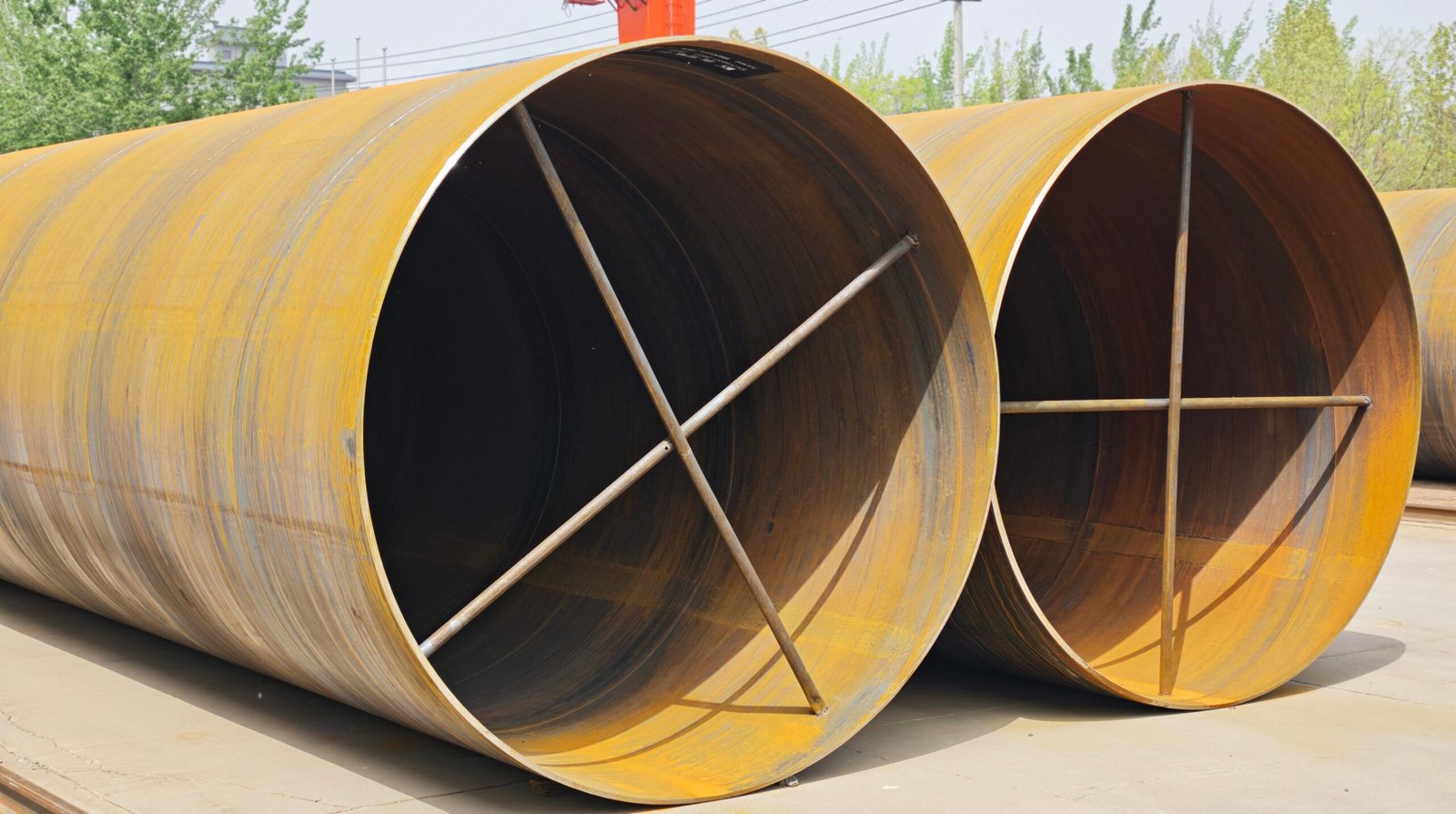
Steel pipes produced in accordance with the JIS G3454 standard are primarily manufactured using two processes: seamless and resistance welding.
Seamless steel pipes are formed by hot rolling or cold drawing, in which solid steel is extruded into a hollow tube. As a result, there are no weld seams on the pipe, which enhances its structural integrity and pressure resistance.
Resist-welded pipes use hot-rolled steel coils or steel strips as raw materials. After uncoiling and flattening, the material is gradually formed into round tubes, and the pipe body is joined using high-frequency welding or submerged arc welding. For STPG 410, a higher-strength steel grade, the welds of resist-welded steel pipes must undergo heat treatment to eliminate welding stresses and improve the mechanical properties of the weld zone.
Chemical plants: Pipelines for transporting cooling water or low-pressure steam (commonly STPG 370).
Power plants: Boiler feedwater branch pipes or compressed air lines (commonly STPG 410).
Machinery manufacturing: Oil lines for hydraulic equipment or connecting pipes for pneumatic systems.
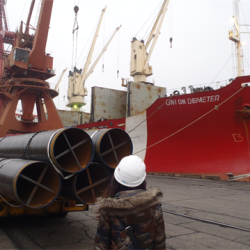
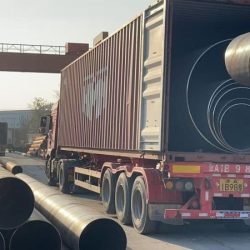
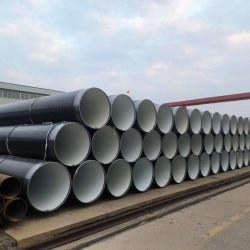
The inspection items specified in the JIS G3454 standard include: chemical composition analysis, mechanical property testing, bending tests, hydrostatic tests, non-destructive testing, and dimensional and visual inspections.
Hydrostatic Test: Each pipe must undergo a hydrostatic test or non-destructive testing to ensure that the pipeline will not leak under low-pressure conditions.
Dimensional and Visual Inspection: Inspect the outer diameter, wall thickness, length, etc., while also checking the pipe surface for defects such as cracks, porosity, and delamination.
Mechanical Testing: Includes tensile testing and elongation testing.
Chemical Composition Analysis: Chemical composition analysis of the steel pipes is conducted to ensure that the content of elements such as carbon, manganese, silicon, phosphorus, and sulfur complies with the requirements of JIS G3454.
JIS G3454 and ASTM A106 are two standards widely used in the industrial piping sector. The former is a Japanese standard, while the latter is an American standard; there are significant differences between the two in terms of scope, performance, manufacturing processes, and application scenarios.
| Comparison Items | JIS G3454 | ASTM A106 |
| Standard Name | Carbon Steel Pipes for Pressure Equipment | Seamless Carbon Steel Pipe for High-Temperature Applications |
| Applicable Temperature | ≤ 350°C | -29°C to 427°C or higher |
| Applicable Pressure | Low- and Medium-Pressure Systems | High-temperature, high-pressure systems |
| Manufacturing Process | Seamless, Resistance-Welded | Seamless only |
| Mechanical Properties | Emphasizes weldability and toughness; high elongation; moderate yield strength and tensile strength | Emphasizes high-temperature and high-pressure load-bearing capacity; slightly higher strength |
| Application Scenarios | Building plumbing, HVAC, low-pressure steam piping, and industrial water or oil transportation | High-temperature steam pipelines, boiler tubes, oil and gas pipelines, high-temperature chemical transport pipes |
| Standard Compliance | Suitable for Japanese companies and Sino-Japanese joint ventures | Globally recognized; compatible with European and American equipment |
JIS G3454 steel pipes are primarily used in medium- and low-pressure fluid conveyance systems. They are generally suitable for temperatures not exceeding 350°C, and in low-pressure environments, the pressure typically does not exceed 10 bar.
JIS G3454 is used for medium- and low-pressure applications below 350°C, with steel grades STPG 370 and STPG 410. JIS G3455 is used for high-temperature and high-pressure applications, with steel grades such as STS 380 and STS 410, and is suitable for more demanding conditions such as main steam lines and high-pressure feedwater systems.
STPG 370: Suitable for general-purpose pressure piping, such as cooling water, low-pressure steam, and compressed air, and is relatively cost-effective.
STPG 410: Offers higher strength and is suitable for systems with higher pressure, such as high-pressure feedwater and hydraulic oil lines.
Fill in the form below and our team will be happy to assist you