
Welcome to ALLLAND Steel Pipe Co., Ltd.
ALLLAND Boiler Steel Pipe Supply
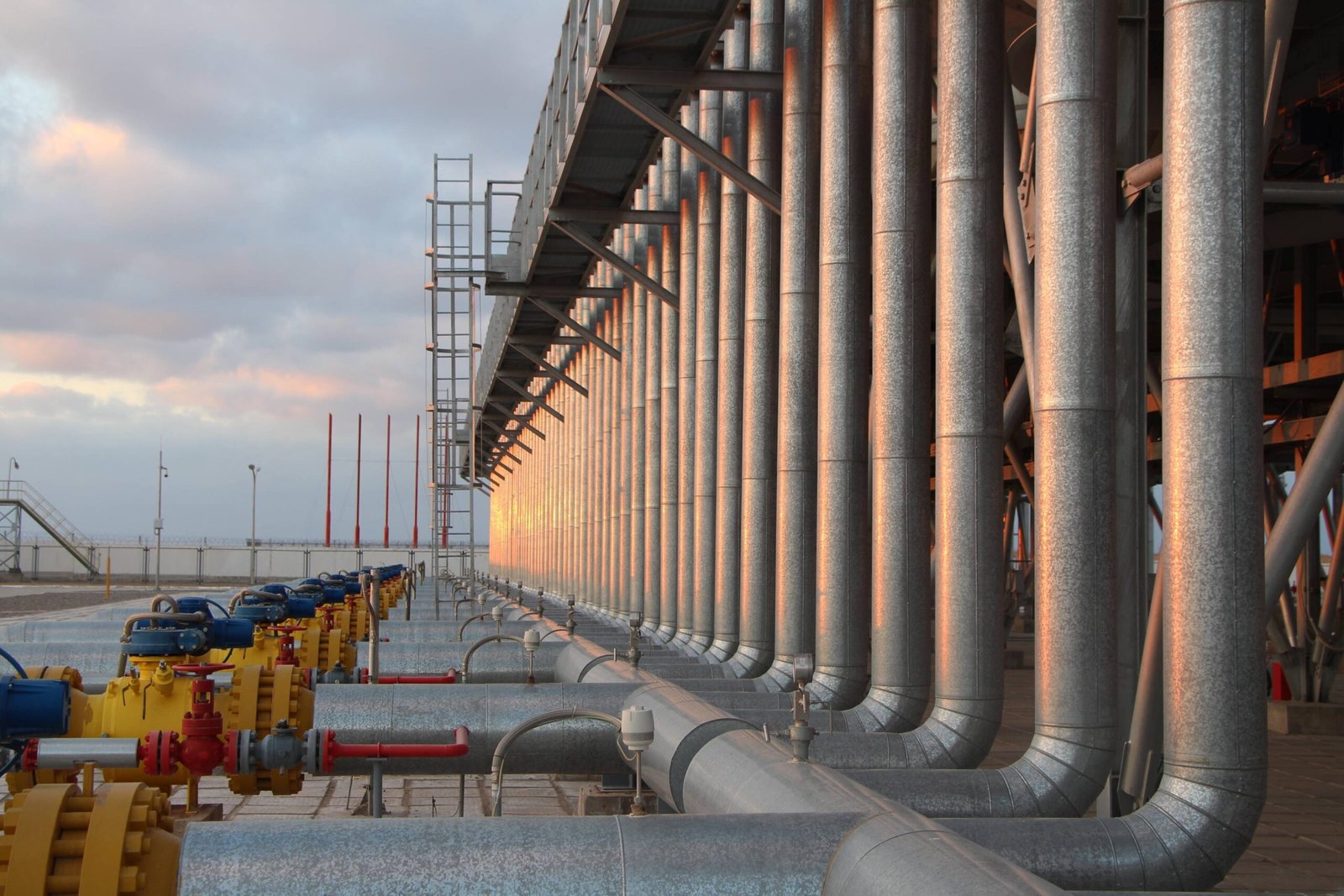
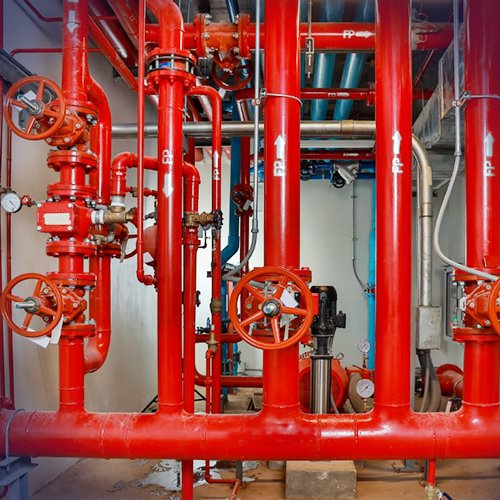
Welcome to ALLLAND Steel Pipe Manufacturing.BS 1387 is a classic British standard for welded steel pipes, widely used in water supply, gas transmission, fire protection, building structures, and agricultural facilities. Thanks to its proven manufacturing processes, excellent weldability, and high cost-effectiveness, this standard continues to be adopted in numerous international projects. As a professional steel pipe manufacturer, ALLLAND Steel Pipe offers black steel pipes and hot-dip galvanized steel pipes that comply with the BS 1387 standard, meeting the diverse engineering needs of customers worldwide.
Alllandsteel is a steel pipe manufacturer based in China with 25 years of experience.
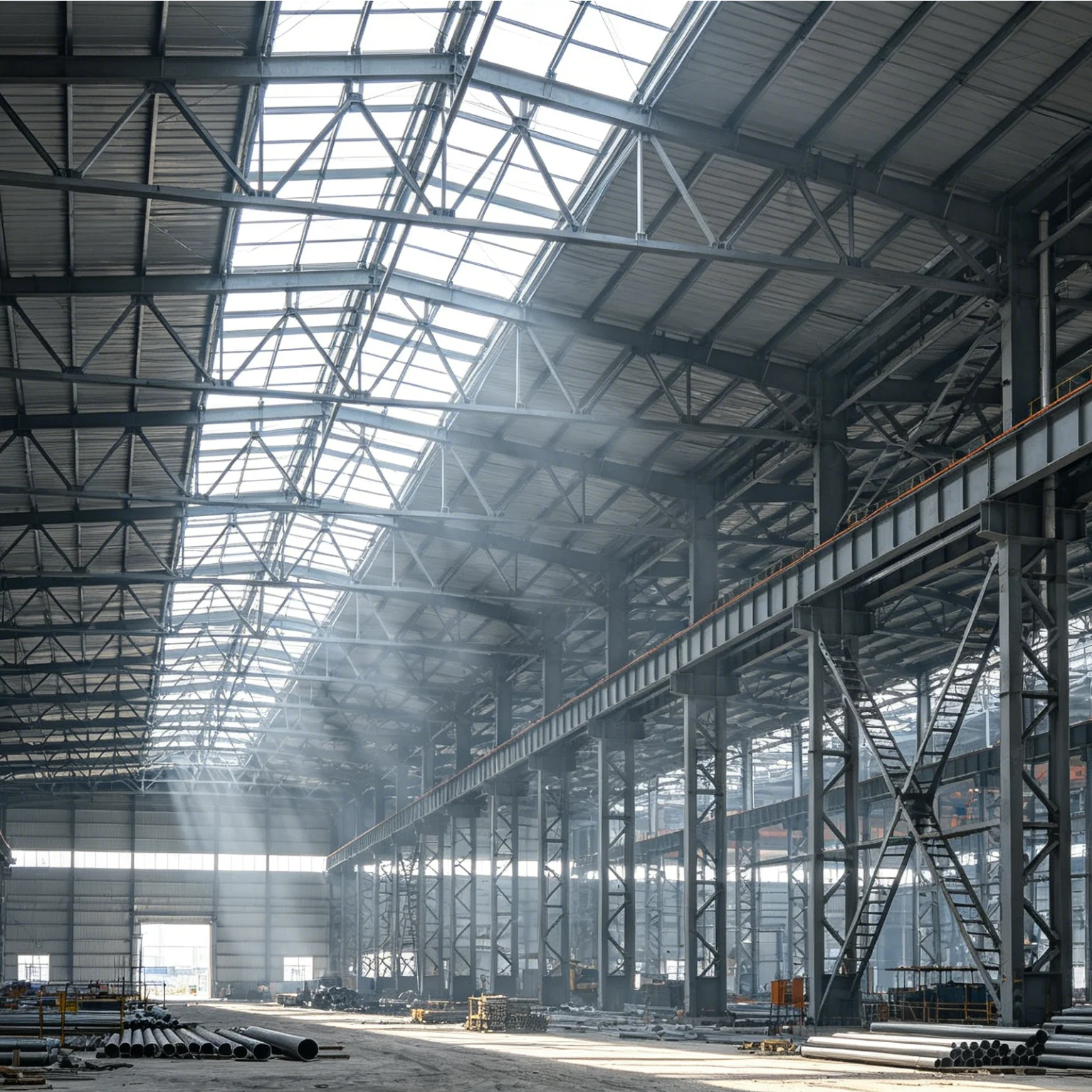
The facility spans 22,000 square meters, represents a RMB 700 million investment, and operates four production lines (JCOE, ERW, SMLS, SSAW) alongside five coating lines.
With an annual production capacity of 250,000 tons, the factory covers specifications ranging from Ø406 to Ø1524 and holds multiple international certifications (API/ASTM/EN/ISO/JIS). Focused on steel pipes, creating value for you!
HOT PRODUCTS
POPULAR ARTICLES
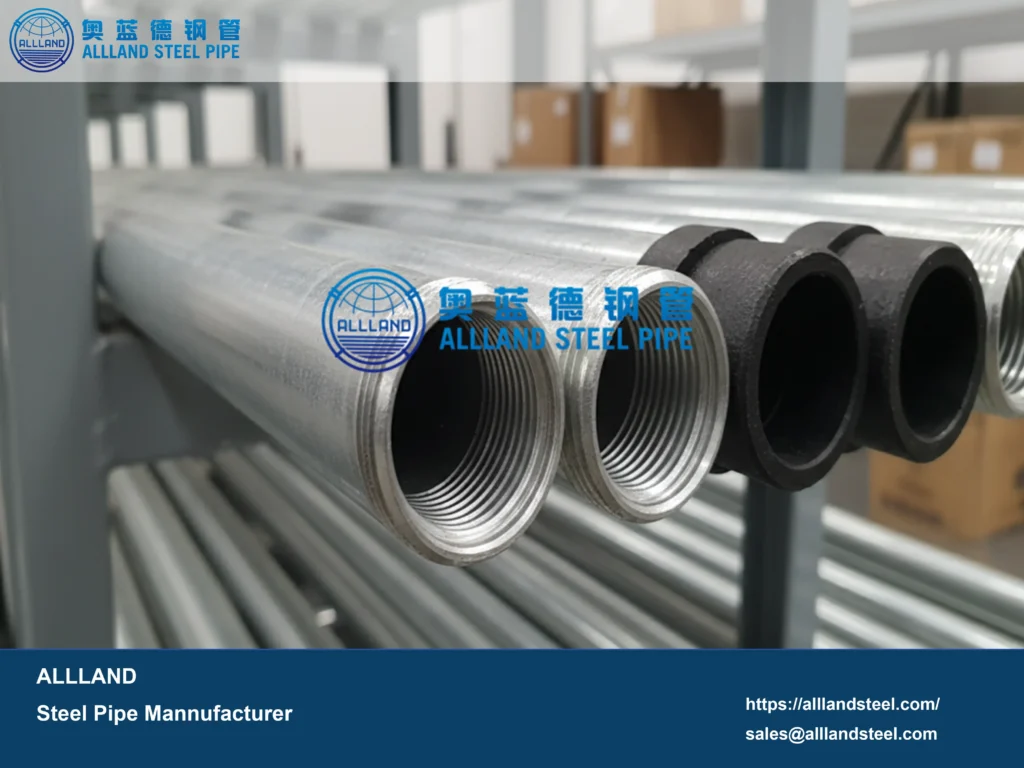
OD.:
13.5 mm – 168.3 mm
Nominal Size: 1/8″–6″
Nominal Bore (NB): DN8–DN150
W.T.:
Light / Medium / Heavy
1.8 mm – 5.4 mm
Length:
5.8 m, 6 m, 12 m, available in fixed or multiple lengths; custom lengths per project requirements.
Tube Ends& Surface Treatment:
Plain End, Threaded & Socketed, Beveled End
Black Painted, Oiled, Bare, Hot-Dip Galvanized
Process:
ERW (Electric Resistance Welded)
Thread Standard:
BS 21
Zinc Coating:
Approx. 400–500 g/m²
Historical Standard:
BS 1387:1985
Replacement Standard:
BS EN 10255
The traditional BS 1387 specification divides steel pipes into three wall thickness series. Each series is intended for different operating and installation requirements.
Light Series: Designed for applications where lower pipe weight and moderate mechanical requirements are important.
Medium Series: Commonly selected for general water, gas, and industrial distribution systems.
Heavy Series: Provides thicker pipe walls for applications requiring greater mechanical strength and additional material allowance.
The selection of a pipe series should consider operating pressure, fluid type, installation conditions, connection method, and applicable design requirements.
For replacement or new projects, buyers should specify the corresponding BS EN 10255 series and dimensional requirements rather than assuming that historical BS 1387 designations are automatically interchangeable.
BS 1387 pipe sizes are identified by nominal bore (NB), while the actual outside diameter remains a separate dimensional parameter. This distinction is important when selecting fittings, sockets, valves, and connecting components.
| Nominal Bore (NB) | Nominal Size |
|---|---|
| DN8 | 1/4 inch |
| DN10 | 3/8 inch |
| DN15 | 1/2 inch |
| DN20 | 3/4 inch |
| DN25 | 1 inch |
| DN32 | 1 1/4 inch |
| DN40 | 1 1/2 inch |
| DN50 | 2 inch |
| DN65 | 2 1/2 inch |
| DN80 | 3 inch |
| DN100 | 4 inch |
| DN125 | 5 inch |
| DN150 | 6 inch |
BS 1387 classifies steel pipes into three wall thickness grades: Light, Medium, and Heavy, with wall thickness increasing in that order.
Medium is the most commonly used grade, offering the best balance of strength, cost, and versatility among the three.
BS 1387 Wall Thickness Comparison
| DN | NPS | OD (mm) | Light (mm) | Medium (mm) | Heavy (mm) |
|---|---|---|---|---|---|
| 15 | 1/2″ | 21.3 | 2.0 | 2.6 | 3.2 |
| 20 | 3/4″ | 26.9 | 2.3 | 2.6 | 3.2 |
| 25 | 1″ | 33.7 | 2.6 | 3.2 | 4.0 |
| 32 | 1-1/4″ | 42.4 | 2.6 | 3.2 | 4.0 |
| 40 | 1-1/2″ | 48.3 | 2.9 | 3.2 | 4.0 |
| 50 | 2″ | 60.3 | 2.9 | 3.6 | 4.5 |
| 65 | 2-1/2″ | 76.1 | 3.2 | 3.6 | 4.5 |
| 80 | 3″ | 88.9 | 3.2 | 4.0 | 5.0 |
| 100 | 4″ | 114.3 | 3.6 | 4.5 | 5.4 |
| 125 | 5″ | — | — | 5.0 | 5.4 |
| 150 | 6″ | — | 5.0 | 5.4 |
BS 1387 does not specify particular steel grades; mild steel is commonly used as the base material.
| C max | 0.20 % |
| Mn max | 1.20 % |
| P max | 0.045 % |
| S max | 0.045 % |
This type of steel is typically easy to weld and has good ductility.
| Tensile strength, Rm | 320 to 460 N/mm2 |
| Yield Strength Re(min.) | 195 N/mm2 |
| Elongation On GaugeLength | 20 % |
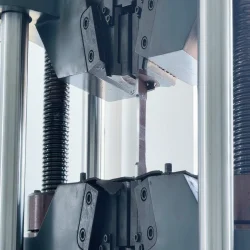
1. Tensile Test
The test shall comply with BS 18-4 to ensure that the tensile strength, yield strength, and elongation meet the mechanical performance requirements.
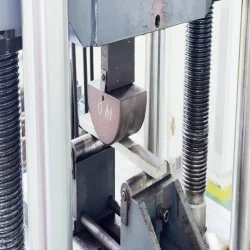
2. Bending Test
The bending test applies to pipes with a nominal diameter of DN50 or less; the finished pipes must not exhibit any fractures or delamination.
3. Flattening Test
Applicable to pipes with a nominal diameter greater than DN50. Test specimens shall be ring-shaped samples with a length of not less than 40 mm, taken from a section of each selected pipe.
4. Hydrostatic Test
Each steel pipe shall undergo a leak test at the manufacturer’s factory; eddy current testing or ultrasonic testing may also be used.
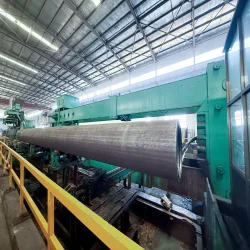
Core Applications:
Compared to other high-standard specifications such as ASTM A53 and API 5L, BS 1387 offers significant cost advantages and is suitable for bulk purchasing.
Since BS 1387 specifies low-carbon steel, it is well-suited for secondary processing or on-site construction, as it is easy to weld and cut.
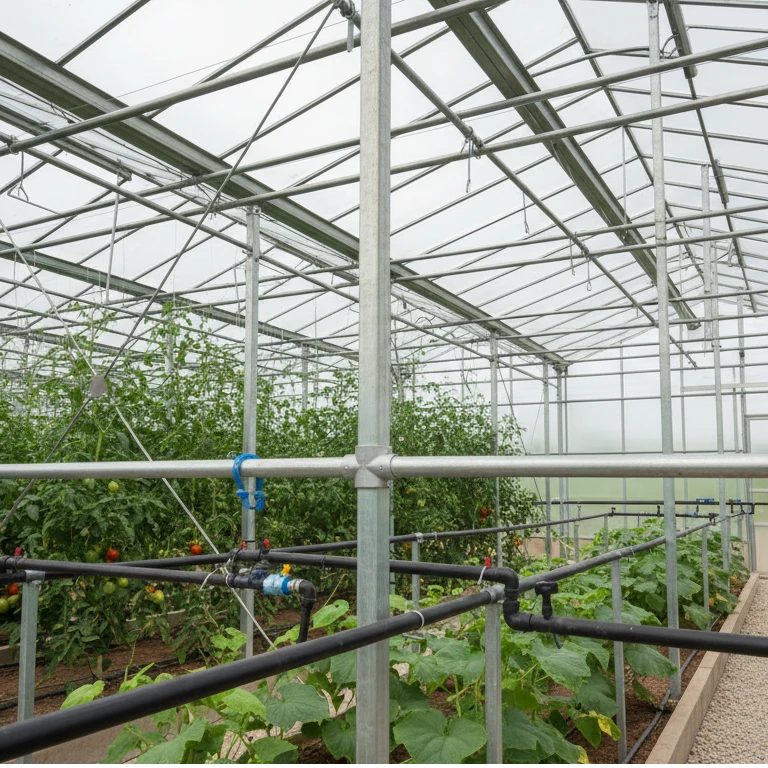
BS 1387 offers both affordability and ease of fabrication. Furthermore, the technology behind BS 1387 galvanized steel pipes is well-established, making them highly suitable for the corrosive environments found in greenhouses.
BS 1387 dimensions are compatible with the NPS system and, in certain cases, can be interchangeable with ASTM/EN products. This reduces the complexity of engineering design and procurement. This standard has a long history, a well-established supply chain, and relatively stable lead times.
BS 1387 is the British standard for welded steel pipes, applicable to general-purpose applications such as water supply, gas supply, and structural engineering.
According to official sources, the BS 1387 standard has been officially withdrawn and replaced by BS EN 10255. However, due to the continuation of legacy projects and designs, as well as historical practices within the British standards system, it is still widely used in markets such as Africa, the Middle East, and Southeast Asia.
Standard sizes range from:1/8 inch to 6 inch.
Fill in the form below and our team will be happy to assist you