Welcome to ALLLAND Steel Pipe Co., Ltd.
ALLLAND Steel Pipe Supply
Welcome to ALLLAND Steel Pipe Manufacturing.EN 10219 S275 is one of the most widely used structural steel grades in Europe and global EPC engineering projects.EN 10219 S275 is designed for cold-formed welded hollow structural sections (HSS), with a minimum yield strength of 275 MPa. It is widely applied in building construction, industrial steel structures, infrastructure systems, and renewable energy projects.With its balanced mechanical strength, excellent weldability, and cost efficiency compared to higher-grade steels such as S355, S275 has become a standard choice for medium-load structural applications.
Alllandsteel is a steel pipe manufacturer based in China with 25 years of experience.
The facility spans 22,000 square meters, represents a RMB 700 million investment, and operates four production lines (JCOE, ERW, SMLS, SSAW) alongside five coating lines.
With an annual production capacity of 250,000 tons, the factory covers specifications ranging from Ø406 to Ø1524 and holds multiple international certifications (API/ASTM/EN/ISO/JIS). Focused on steel pipes, creating value for you!
HOT PRODUCTS
POPULAR ARTICLES
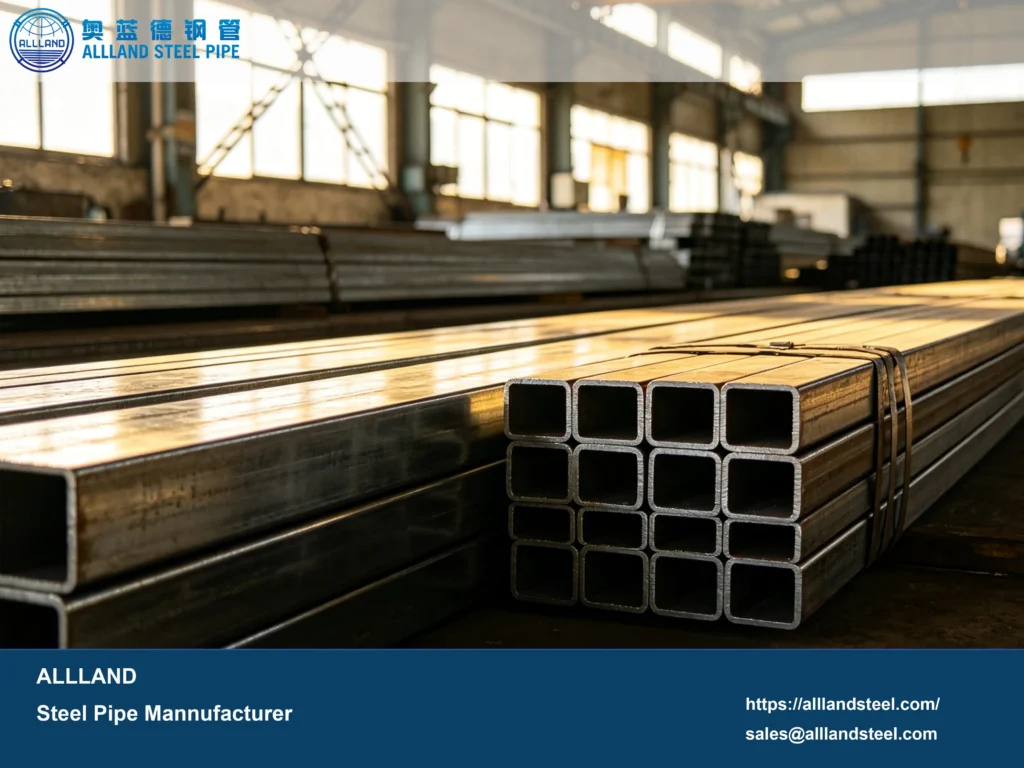
EN 10219 S275 is one of the most widely used structural steel grades in European construction and global steel structure manufacturing projects. It is typically used for cold-formed welded hollow structural sections (HSS) and features a minimum yield strength of 275 MPa.
This grade combines good mechanical strength, excellent weldability, and cost-effectiveness, making it a preferred material for hollow structural sections (HSS) in construction, infrastructure, and industrial framework applications.
O.D. / Section Size:
CHS : 3 mm – 610 mm
SHS : 20 × 20 mm – 400 × 400 mm
RHS : 40 × 20 mm – 500 × 300 mm
W.T.:
CHS : 5 mm – 20 mm
SHS : 1.5 mm – 16 mm
RHS : 1.5 mm – 16 mm
Length:
6-12 m, available in fixed or multiple lengths; custom lengths per project requirements.
Manufacturing Process:
ERW/HFW
Standards:
EN 10219-1 / EN 10219-2
Steel Grades:
S275 / S275JR / S275J0 / S275J2
Tube Ends:
Plain End (PE) / Beveled End (BE) / Threaded End / Grooved End / Protective Caps available
Surface Treatment:
Black (as rolled) / Hot-dip galvanized (HDG) / Pre-galvanized / Anti-corrosion coating (3PE / epoxy optional)
EN 10219 S275 steel combines strength, ductility, and weldability, making it highly suitable for a wide range of structural applications in construction and engineering projects.
S275 is a low-carbon structural steel designed for easy fabrication:
The low carbon content of S275 steel plays a crucial role in ensuring excellent weldability and minimizing the risk of cracking during fabrication. Controlled levels of manganese and silicon enhance strength and toughness without compromising the material’s ductility.
Overall, this balanced chemical composition makes S275 suitable for cold-forming processes, welded structural sections, and a wide range of engineering applications requiring reliability and consistency.
| Grade | Yield Strength | Carbon Equivalent | Application | Cost |
|---|---|---|---|---|
| S235 | 235 MPa | ~0.35 | Light structures | Low |
| S275 | 275 MPa | ~0.40 | General construction | Medium |
| S355 | 355 MPa | ~0.45 | Heavy structures | Higher |
✔ 275 MPa yield strength (meets general structural load-bearing requirements)
✔ Good weldability (suitable for large-scale processing)
✔ Lower cost than S355 (cost-effectiveness advantage)
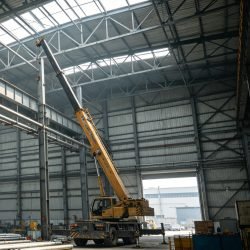
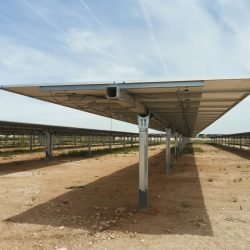
Columns (primary load-bearing)
SHS: 200×200 × 6–10 mm
SHS: 250×250 × 6–12 mm
RHS: 250×150 × 6–10 mm
Main Girder (Span Structure)
RHS: 300×150 × 6–12 mm
RHS: 400×200 × 8–12 mm
CHS: 219.1–323.9 mm × 6–12 mm
Roof truss (lightweight structure)
CHS: 60.3 – 139.7 mm × 3.2–6 mm
SHS: 80×80 – 150×150 × 3–6 mm
These sizes are widely used in industrial steel structure projects, and ALLLAND Steel Pipe can supply a full range of EN 10219 S275 steel pipes.
Another important comparison in structural steel selection:
| Feature | EN 10219 | EN 10210 |
| Process | Cold-formed welded | Hot-finished |
| Residual stress | Higher | Lower |
| Strength consistency | Good | Excellent |
| Cost | More economical | Higher |
| Application | General structures | High-performance structures |
EN 10219 S275 is preferred when cost efficiency and standard structural performance are required.
EN 10219 S275 steel pipe is a fundamental material in modern structural engineering. Thanks to its excellent balance of strength, weldability, and cost-effectiveness, it has become one of the most widely used hollow structural sections in construction projects worldwide.
Whether utilized for building frameworks, infrastructure systems, or industrial manufacturing, S275 remains a trusted and versatile choice for engineers and procurement teams alike.
Fill in the form below and our team will be happy to assist you