Welcome to ALLLAND Steel Pipe Co., Ltd.
ALLLAND Steel Pipe Supply
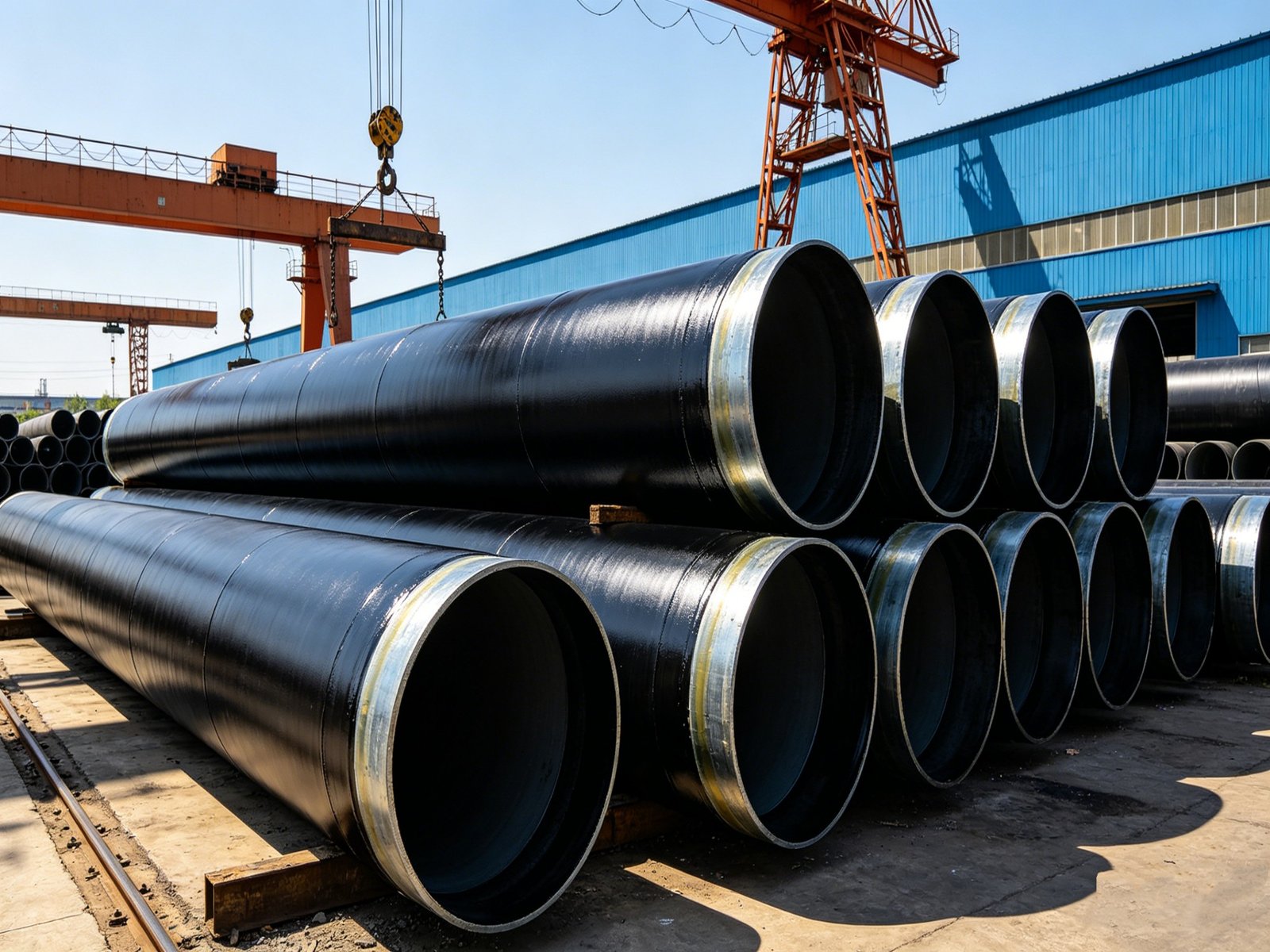
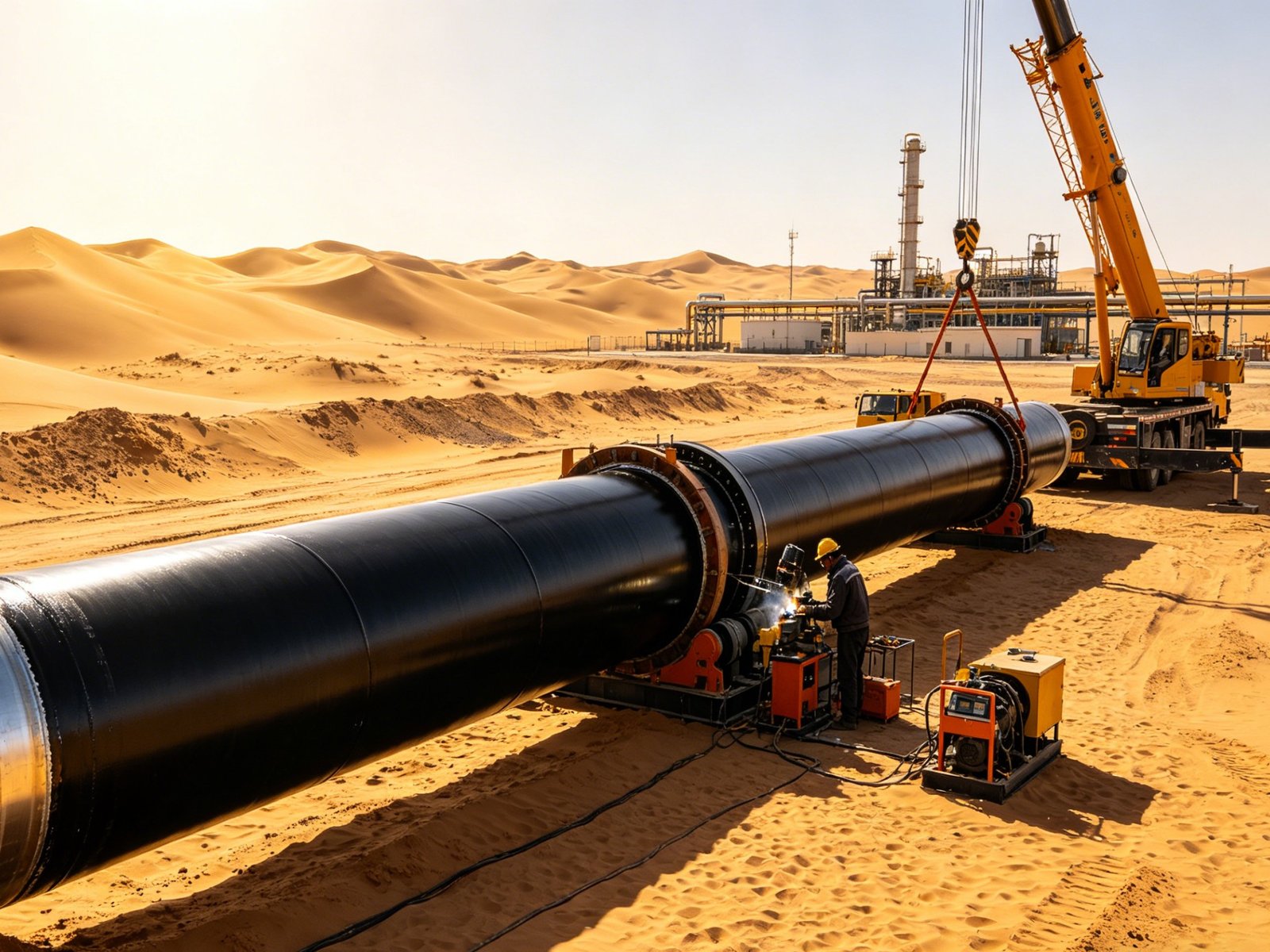
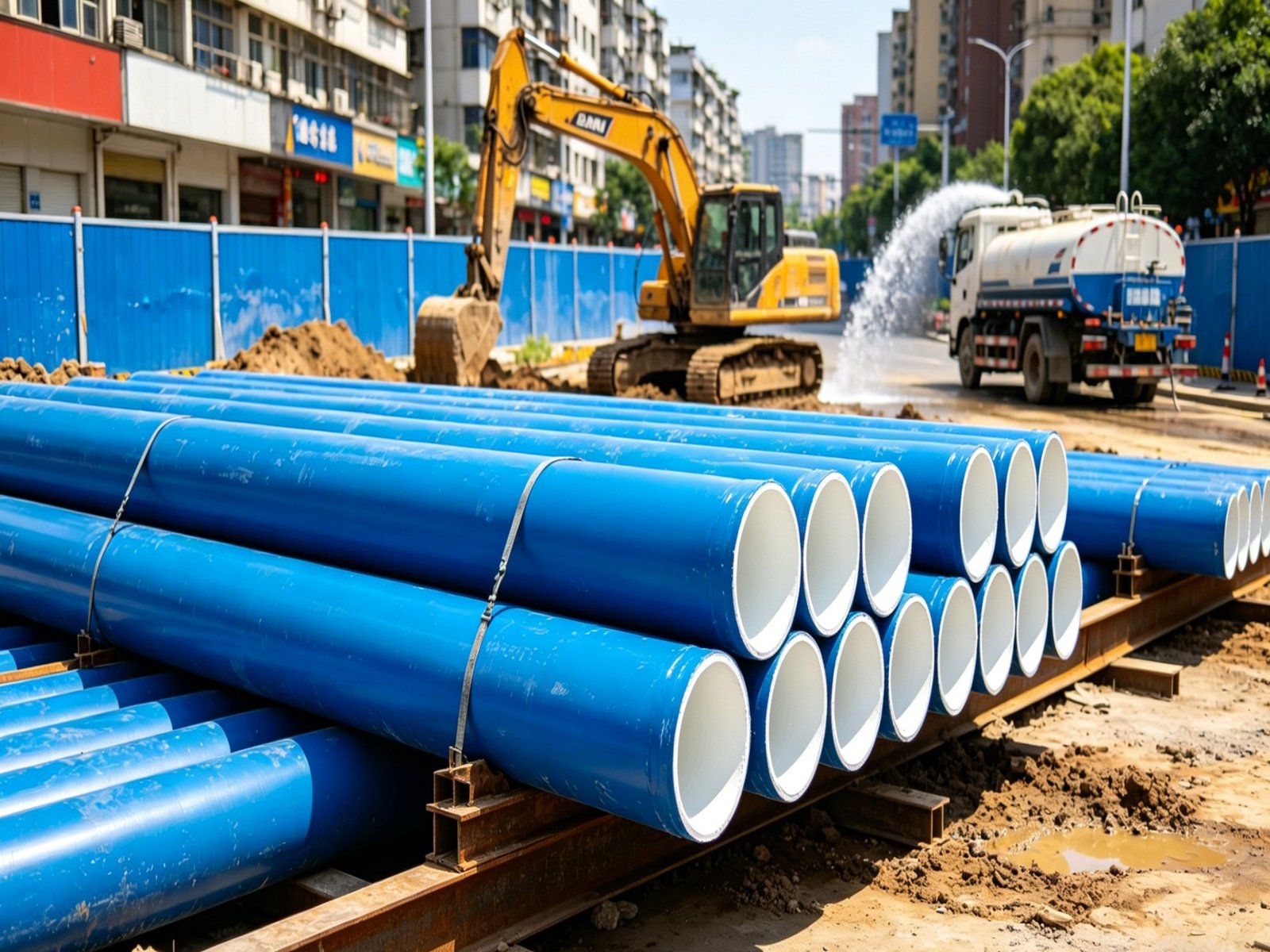
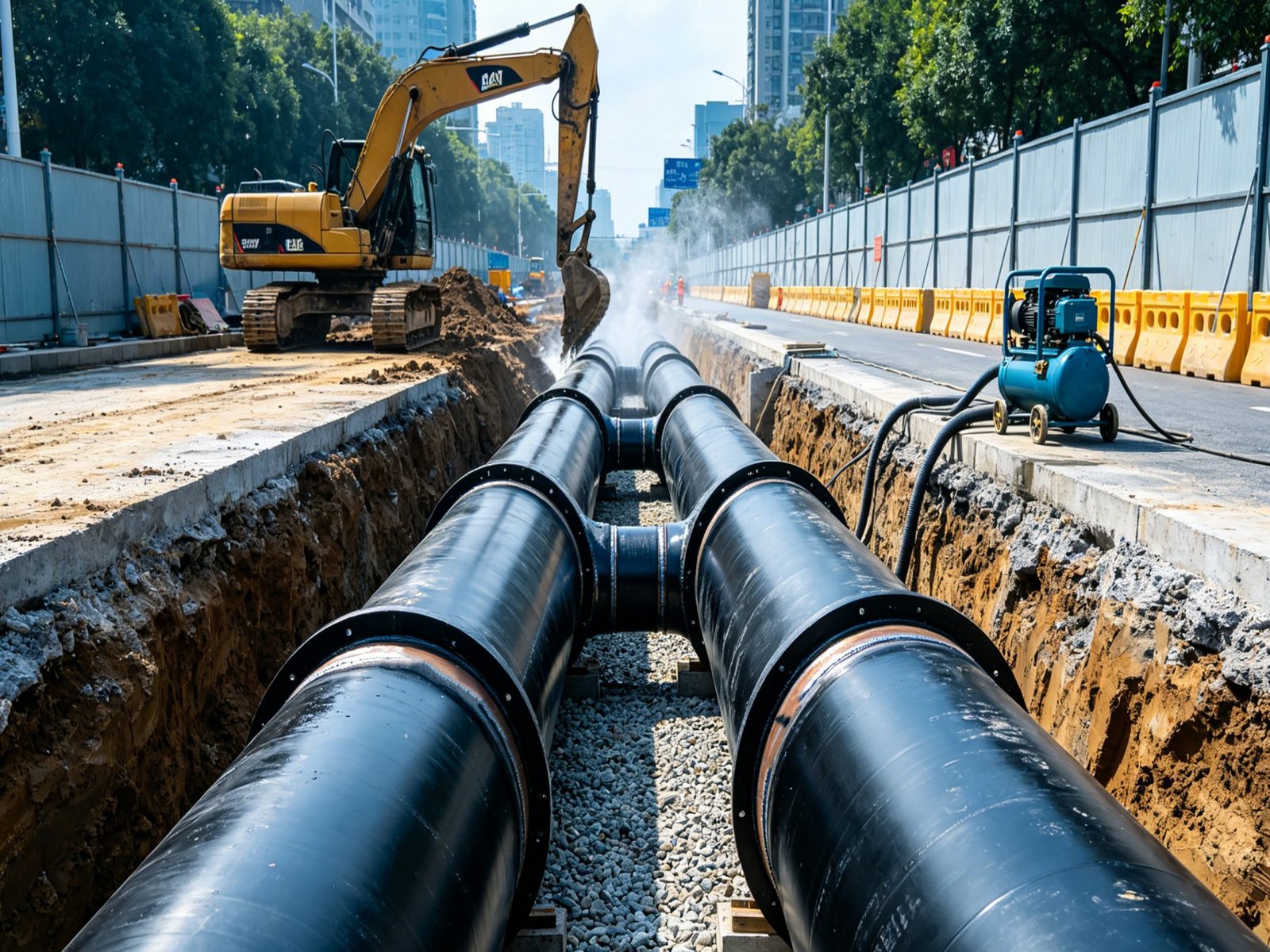
Welcome to ALLLAND Steel Pipe Manufacturing. The DIN 30671 Polyethylene Coating System (PE Coating System) primarily establishes systematic requirements for the corrosion protection of steel pipe exteriors and is widely used in underground water supply pipelines, municipal engineering projects, and general industrial pipelines. ALLLAND not only focuses on the coating materials themselves but also emphasizes the adhesion between the coating and the steel substrate, as well as the long-term stability of corrosion protection, as specified in the DIN 30671 standard. We guarantee that the DIN 30671-compliant steel pipes we supply offer excellent corrosion resistance, water resistance, and mechanical protection. Contact us to select the most suitable coating for your specific project.
Alllandsteel is a steel pipe manufacturer based in China with 25 years of experience.
The facility spans 22,000 square meters, represents a RMB 700 million investment, and operates four production lines (JCOE, ERW, SMLS, SSAW) alongside five coating lines.
With an annual production capacity of 250,000 tons, the factory covers specifications ranging from Ø406 to Ø1524 and holds multiple international certifications (API/ASTM/EN/ISO/JIS). Focused on steel pipes, creating value for you!
HOT PRODUCTS
POPULAR ARTICLES
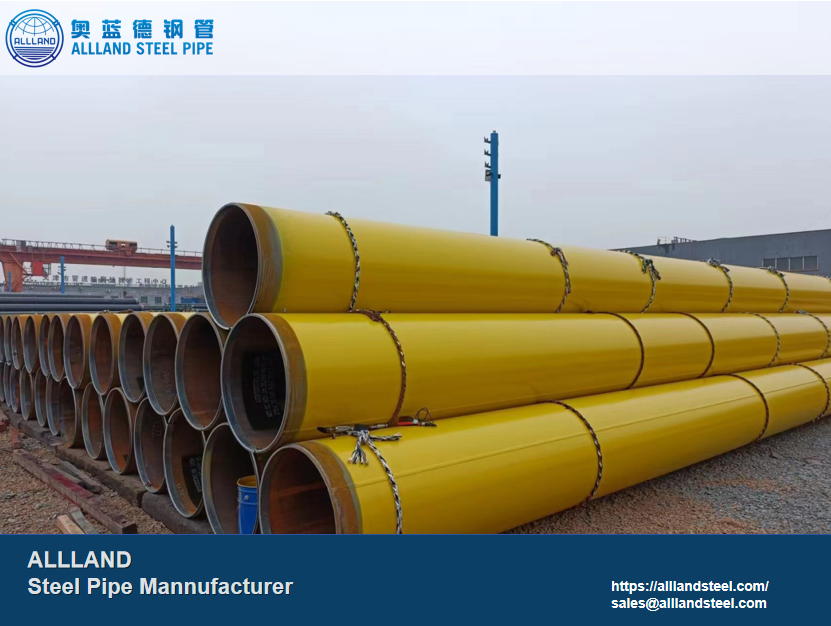
DIN 30671 is one of the key technical standards in the German standards system for the corrosion protection of steel pipes.
It specifies the structure, materials, performance requirements, and testing methods for polyethylene (PE) coatings used for external corrosion protection of steel pipes, and is widely applied in the oil and gas, water transportation, and other sectors.
O.D.:
21.3 mm-2540 mm
W.T.:
2.5 mm – 40 mm+
Length:
6 m / 12 m/customized
Nominal Diameter:
DN50 – DN2000+
Applicable Steel Pipe Types:
ERW/HFW/LSAW/SSAW/SMLS
Equivalent Standards:
ISO 21809-1/CSA Z245.21/GB/T 23257
PE Types:
LDPE (Low-Density Polyethylene)
MDPE (Medium-Density Polyethylene)
HDPE (High-Density Polyethylene)
Coating Thickness:
Normal duty
Medium duty
Heavy duty
DIN 30671 specifies the raw materials for PE, which forms the basis of the entire standard.
The final performance depends entirely on the raw materials.
Material types include: · LDPE (Low-Density Polyethylene), MDPE (Medium-Density Polyethylene), and HDPE (High-Density Polyethylene).
In practical engineering applications, MDPE and HDPE are the most commonly used; HDPE is often used in applications requiring high mechanical strength.
Thermal Stability — Prevents degradation of the coating material during processing and ensures long-term performance.
Additive Requirements (Additives)
PE materials typically contain:
Antioxidants
UV stabilizers
Carbon black (typically about 2–2.5%)
The purpose of these additives is to provide aging resistance and UV resistance.
The DIN 30671 standard classifies coating thicknesses based on the operating environment. By selecting the appropriate coating thickness grade for specific operating conditions, it provides the necessary mechanical protection and a waterproof barrier to prevent corrosion.
| Coating Classes | Operating Environment |
| Normal (N) | General soil |
| Medium (M) | Moderately corrosive environments |
| Heavy (H) | Highly corrosive/mechanically stressful environments |
Coating thickness varies depending on the pipe diameter and environmental factors.
| Pipe Diameter Range | PE Thickness (for reference) |
| DN ≤ 100 | 1.8 – 2.2 mm |
| DN 100–500 | 2.2 – 2.8 mm |
| DN ≥ 500 | 2.5 – 3.5 mm |
DIN 30671 sets forth specific requirements for coating performance, specifying the mechanical, durability, and protective properties that must be met.
Tensile Strength: Ensures the coating does not tear under tension.
Elongation at Break: Ensures the coating’s flexibility, preventing cracks caused by pipe bending or foundation settlement.
| Tensile strength | MPa | ≥ 18 – 25 |
| Elongation at break | % | ≥ 350 – 600 |
| Impact resistance | J | No cracking |
Durability primarily encompasses two aspects: resistance to environmental stress cracking (ESCR) and resistance to aging. ESCR ensures that the coating will not crack under long-term stress, which is a key factor in determining its suitability for long-term underground use.
Aging resistance requires that the coating maintain its performance under high-temperature or oxidizing conditions.
In the DIN 30671 system, the PE layer relies not on “chemical corrosion protection” but on a “physical barrier.”
Its primary function is to prevent corrosive media such as water, oxygen, or salt from coming into contact with the steel substrate.
DIN 30671 typically requires that the material’s ability to absorb moisture over a certain period—that is, the water absorption rate—be ≤ 0.1% (usually far below this value).
The lower the water absorption rate, the more stable the corrosion protection, effectively preventing moisture from penetrating the coating.
DIN 30671 primarily addresses specifications for external coatings on buried steel pipelines, so it is inherently designed to withstand underground corrosion environments.
The essence of underground corrosion is water + electrolytes + electrochemical reactions; the role of the PE layer is to prevent this chain reaction from occurring.
DIN 30671 emphasizes the PE’s resistance to chemicals and ions to block the penetration of underground corrosive media.
Although DIN 30671 is not a construction standard, it establishes clear guidelines for ensuring that the PE layer meets the specified performance requirements.
Surface preparation of steel pipes typically requires blast cleaning, and the cleanliness must meet the Sa 2.5 rust removal standard. The surface roughness should be 40–100 μm to provide an adequate adhesion base for subsequent coatings, particularly 2LPE/3LPE.
Preheating
The most common method for preheating steel pipes is induction heating, with temperatures generally controlled between 180–230°C (adjusted according to the material) to ensure uniform coating formation.
The coating requirements for the weld area are more stringent than those for the pipe body. First, the coating must provide complete coverage with no exposed areas. Second, the coating thickness may be increased, and it is permissible for it to be up to 50% thicker than the pipe body. The purpose of this is to enhance corrosion resistance at the weld, as the weld is the weakest link in the entire pipeline.
A 100–150 mm uncoated area is left at the ends (cutback) to facilitate on-site welding.
This is a key step in the DIN 30671 installation process, which involves uniformly coating the steel pipe with PE using a die.
| Extrusion temperature | 200–250°C (depending on the type of PE) |
| Extrusion pressure | Ensure a dense coating |
| Coating uniformity | Avoid:Uneven thickness/Bubbles (voids) |
DIN 30671 specifies a comprehensive quality control system that uses testing to verify whether the coating meets performance requirements, ensuring reliable performance in the project.
1. Visual Inspection: Inspect the coating for bubbles, cracks, damage, etc.
2. Coating Thickness Measurement: Use a magnetic gauge to ensure the coating meets the design thickness specifications.
3. Holiday Test: This is a critical test that uses high-voltage electricity to verify that the PE coating is completely sealed.
Common voltage range:
| Coating Thickness | Test Voltage |
| 1.8 mm | 6 – 9 kV |
| 2.5 mm | 8 – 12 kV |
| 3.0 mm | 10 – 15 kV |
DIN 30671 requires that there be no electrical sparks; only products with zero defects are considered acceptable.
4. Mechanical Property Test: tensile test, impact test.
5. Material Property Verification: ESCR test, density/MFR test
DIN 30671 is primarily used for external corrosion protection in water supply, municipal, and general industrial piping systems.
It is particularly suitable for environments where waterproofing and physical barriers are the primary concerns, and can also be used as the outer PE layer in 3LPE systems.
We are located in Hebei, China, and operate a modern production facility equipped with advanced production lines.
Our products are certified to API, ISO, CE, and CNAS standards, ensuring full compliance with international standards.
Our product range includes ERW, HFW, LSAW, and SSAW steel pipes, seamless steel pipes (SMLS), and coated steel pipes: FBE, 3LPE, and DIN 30671 PE coatings.
We conduct multi-stage quality inspections, including non-destructive testing, ultrasonic testing, and coating integrity testing (DIN 30671).
We maintain stable production capacity and strict quality control. With professional packaging and logistics, we guarantee on-time delivery.
Fill in the form below and our team will be happy to assist you