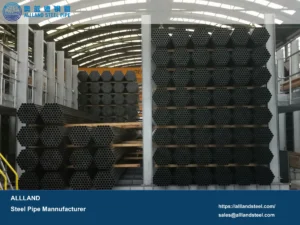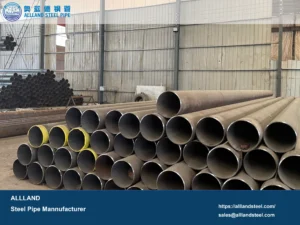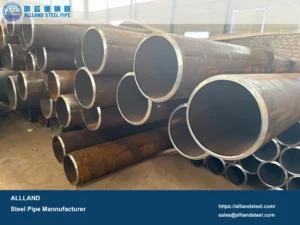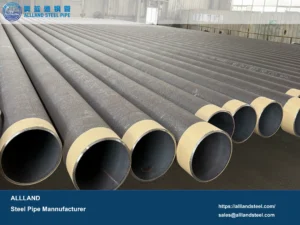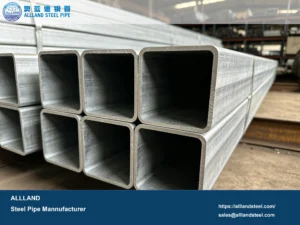




A rectangular tube is a hollow metal section with a rectangular cross-section. Unlike round tube, its width and height are different, giving the section two unequal dimensions. Rectangular tubes are available in a wide range of sizes, steel grades, surface conditions and specifications.
Different from rectangular hollow sections, RHS is more closely associated with structural engineering and standardized hollow sections, while rectangular tube is a broader product term used for structural, mechanical, fabrication and general industrial requirements.
Rectangular Tube Specification
A rectangular tube consists of four sides forming a closed rectangular cross-section; its two principal dimensions are typically expressed as width × height. It offers greater flexibility during manufacturing and is favored by purchasers.
| Item | Typical Information |
| Cross Section | Rectangular hollow section |
| Common Materials | Carbon steel, mild steel, stainless steel, alloy steel |
| Manufacturing Types | Welded, ERW, HFW, seamless |
| Common Sizes | Approximately 20 × 10 mm to 500 × 300 mm and larger |
| Common Lengths | 5.8 m, 6 m, 11.8 m, 12 m |
| Surface Conditions | Black, galvanized, painted, coated |
| Common Standards | ASTM, EN, AS/NZS and other project specifications |
| Available Forms | Standard sizes and customized dimensions |
Actual available dimensions depend on the steel grade, applicable standards, production equipment, and project requirements. Please contact ALLLAND Steel Pipe Factory for any procurement needs.
Rectangular Tube Sizes
Rectangular tubes are produced in a wide range of width and height combinations. Common dimensions vary from relatively small tubes used for light fabrication to large sections utilized in structural and industrial projects. Below are some common sizes and their applications.
| Width × Height | Typical Product Category |
| 20 × 10 mm | Small rectangular tube |
| 25 × 15 mm | Small fabrication tube |
| 30 × 20 mm | Light-duty tube |
| 40 × 20 mm | General fabrication |
| 50 × 25 mm | General-purpose tube |
| 60 × 40 mm | Structural / fabrication |
| 80 × 40 mm | Structural / mechanical |
| 100 × 50 mm | Structural and industrial |
| 120 × 60 mm | Structural applications |
| 150 × 75 mm | Structural tube |
| 150 × 100 mm | Structural / heavy fabrication |
| 200 × 100 mm | Large structural tube |
| 250 × 150 mm | Large section |
| 300 × 200 mm | Large structural tube |
| 400 × 200 mm | Heavy structural section |
| 500 × 300 mm | Large rectangular section |
The dimensions listed above are representative and do not necessarily reflect the full range of sizes we can manufacture; actual dimensions depend on your purchase order. Please contact us via email for inquiries regarding specific dimensions.
Rectangular Tube Types
Rectangular tubes can be classified in several ways depending on their material, manufacturing specification and surface condition.
Carbon Steel Rectangular Tube
Carbon steel rectangular tube is one of the most widely used forms of rectangular steel tubing.
Common characteristics include:
- Good weldability
- Good machinability
- Broad size availability
- Suitable for fabrication
- Suitable for structural and general industrial use
Common specifications include ASTM A500 and other structural or mechanical tube standards.
Galvanized Rectangular Tube
Galvanized rectangular tubing features a zinc coating designed to provide additional corrosion protection. When the piping system is located in a humid environment, the galvanized layer effectively protects the pipe, thereby extending its service life.
Galvanized rectangular tubes may be supplied as:
There is a significant difference between the two galvanizing processes: one is a physical galvanizing method, while the other involves a chemical reaction that forms a protective film. You can click on the details page to learn more.
3.Stainless Steel Rectangular Tube
Stainless steel rectangular tubes are selected when corrosion resistance, surface appearance or hygienic properties are important.
Common stainless steel grades include:
- 304
- 316
- 201
The selection between these grades depends on the environment, corrosion requirements and project specification.
Rectangular Tube Standards and Grade
Steel grade is one of the most important specifications when purchasing rectangular tube because it defines minimum mechanical properties such as yield strength, tensile strength and elongation. Different standards use different grade-designation systems, so grades with similar names should not automatically be treated as equivalent.
Common standards include ASTM A500, EN 10219, and AS/NZS 1163; as these apply to different regions, they cannot be considered identical simply because their mechanical properties are similar.
The EN 10219 standard, for instance, imposes specific requirements based on wall thickness: for example, S235JRH is specified at 235 MPa for thicknesses up to 16 mm and 225 MPa for thicknesses between 16 mm and 40 mm; S275 grades also have thickness-dependent requirements.
Additionally, the AS/NZS standard specifies different elongation rates for thin-walled pipes, so all factors should be taken into account when making a purchase. The yield strengths and tensile strengths for these three standards are listed below.
| Standard | Grade | Yield Strength, min. | Tensile Strength, min. |
| ASTM A500 | Grade B | 315 MPa | 400 MPa |
| ASTM A500 | Grade C | 345 MPa | 425 MPa |
| EN 10219 | S235JRH | 235 MPa* | 360–510 MPa |
| EN 10219 | S275J0H | 275 MPa* | 430–580 MPa |
| EN 10219 | S355J2H | 355 MPa* | 510–680 MPa |
| AS/NZS 1163 | C250 | 250 MPa | 320 MPa |
| AS/NZS 1163 | C350 | 350 MPa | 430 MPa |
| AS/NZS 1163 | C450 | 450 MPa | 500 MPa |
Rectangular Tube identification
A complete rectangular tube specification should normally identify more than just the dimensions.
For example:
100 × 50 mm | ASTM A500 Grade B | Black | 6 m
For a project order, additional information may include:
| Specification | Example |
| Product | Rectangular Steel Tube |
| Size | 100 × 50 mm |
| Standard | ASTM A500 |
| Grade | Grade B |
| Surface | Black |
| Length | 6 m |
| Quantity | Project quantity |
| Inspection | According to project requirements |
| Documentation | Mill Test Certificate |
Rectangular tube is a broad product category covering rectangular hollow metal sections in different dimensions, materials, standards and surface conditions.
When selecting a rectangular tube, the key factors are not limited to size. The cross-section dimensions, steel grade, applicable standard, surface condition, length and inspection requirements should all be confirmed.
To view information about square tube, click on our details page.
FAQ
What are common rectangular tube sizes?
Common sizes for rectangular tubes include 20 × 10 mm, 40 × 20 mm, 50 × 25 mm, 60 × 40 mm, 100 × 50 mm, 150 × 100 mm, and 200 × 100 mm. Larger specifications are also available; please contact us via email for purchasing inquiries.
What standards are commonly used for rectangular steel tubes?
Common standards include ASTM A500, ASTM A513, EN 10219, EN 10210 and AS/NZS 1163. The correct standard depends on the product type and intended application.