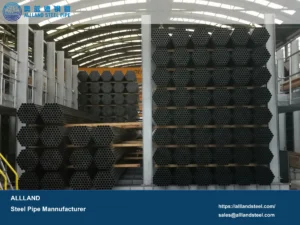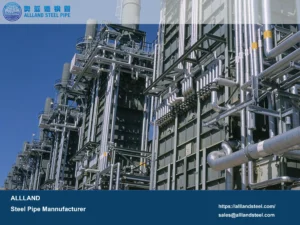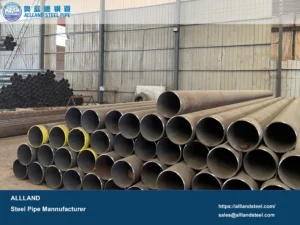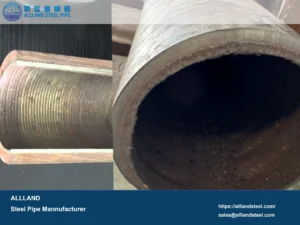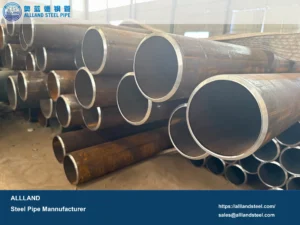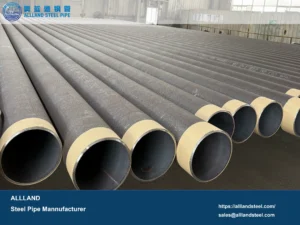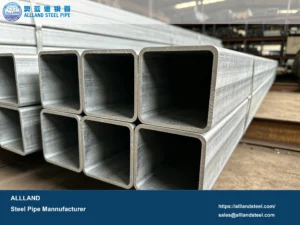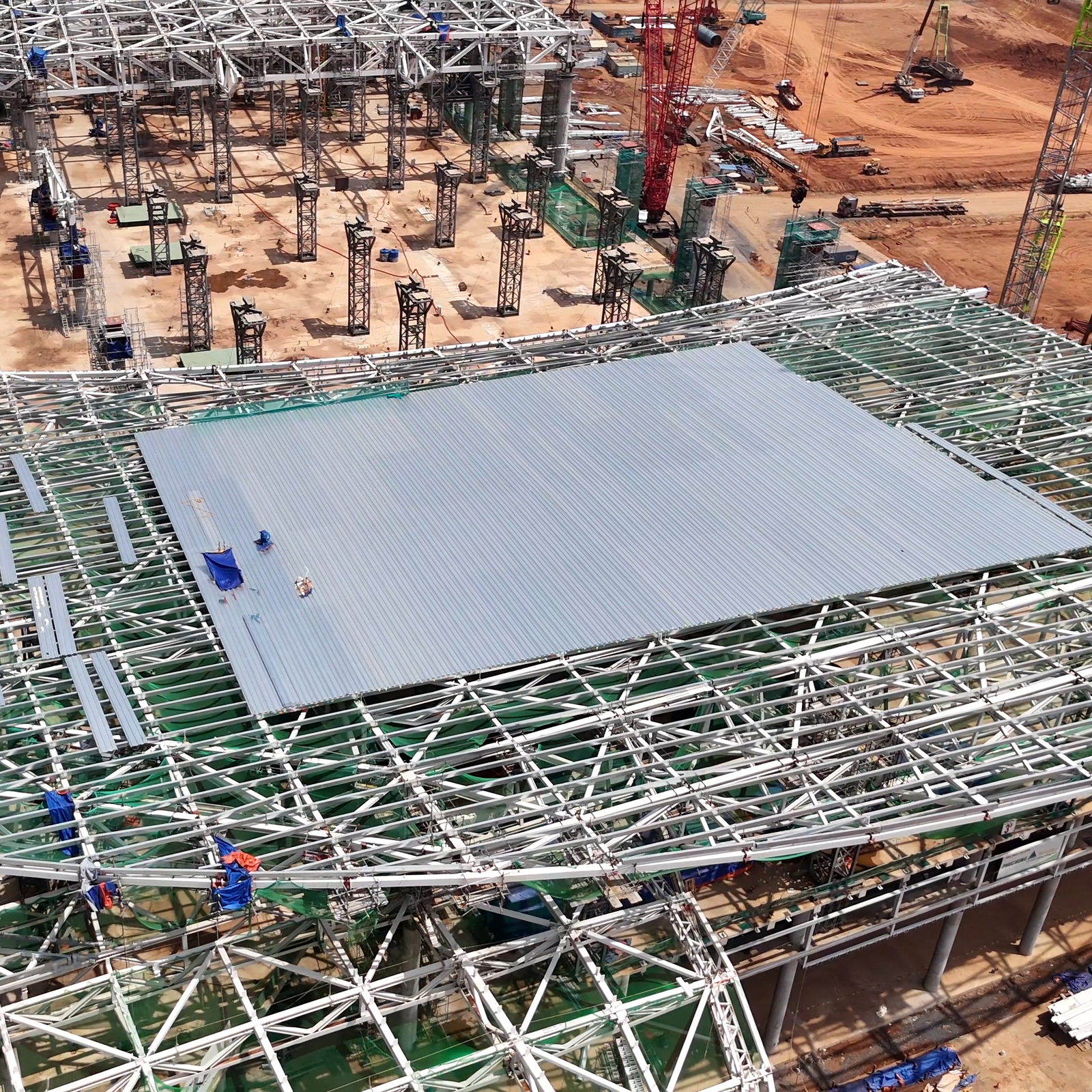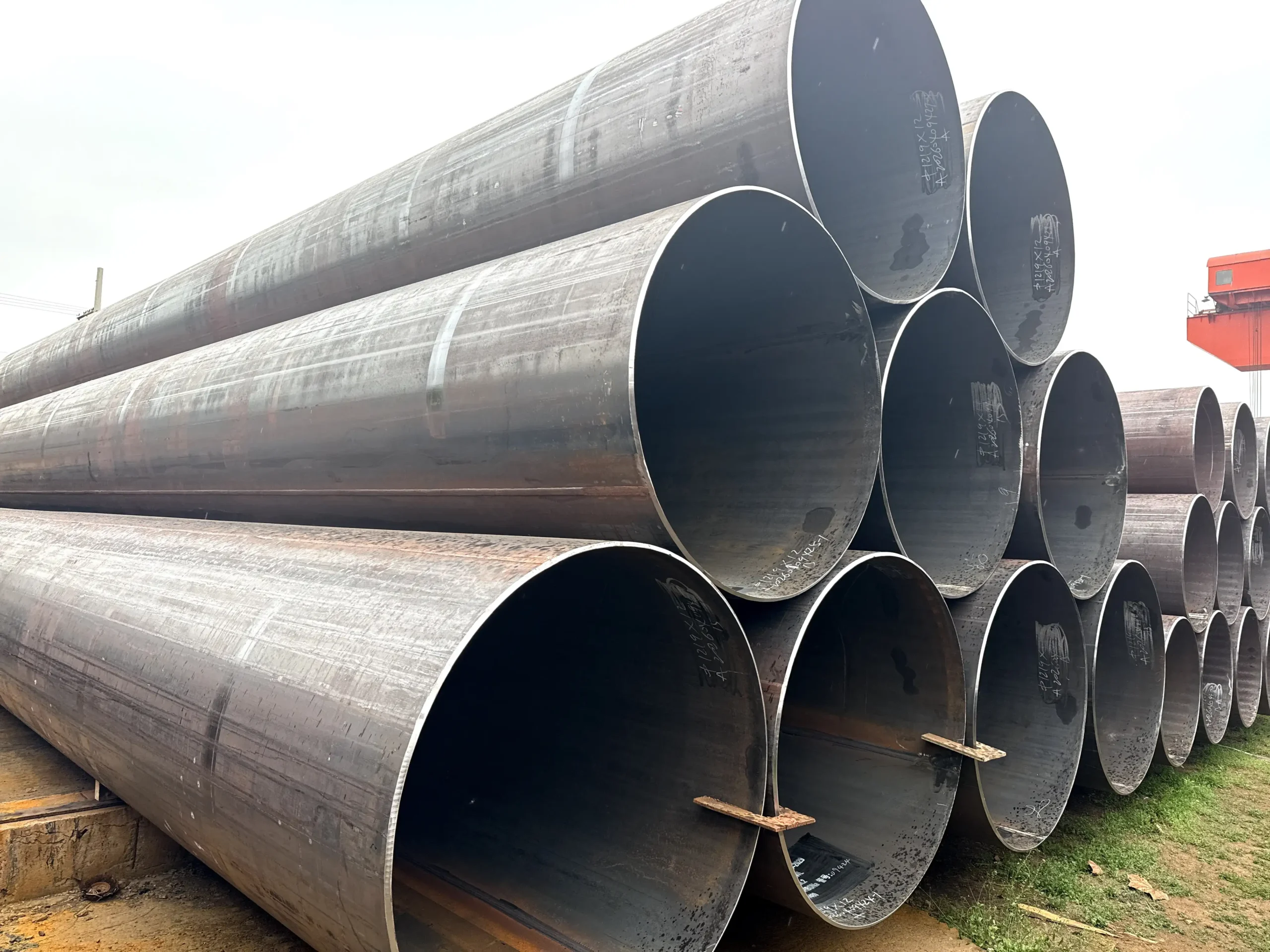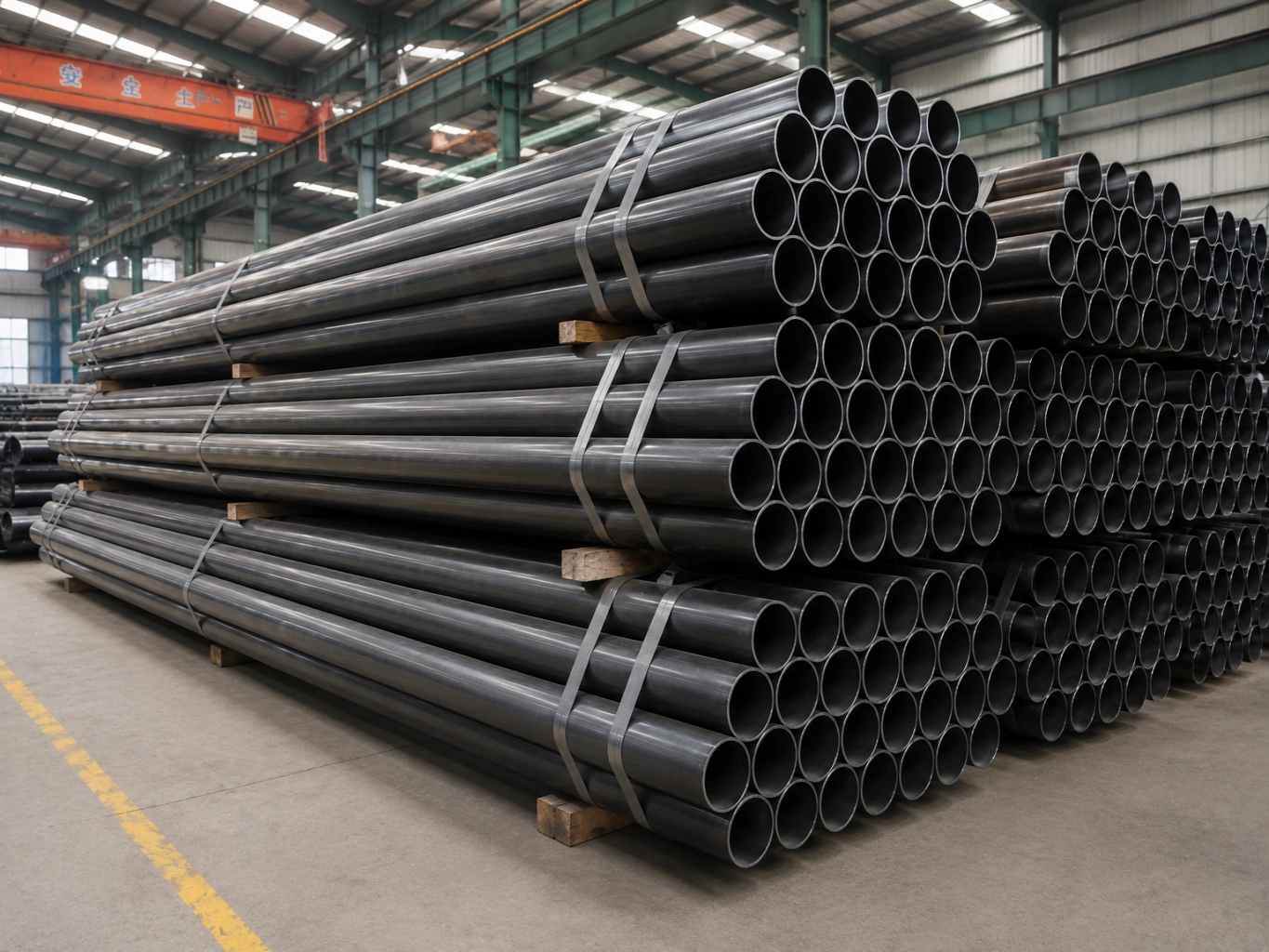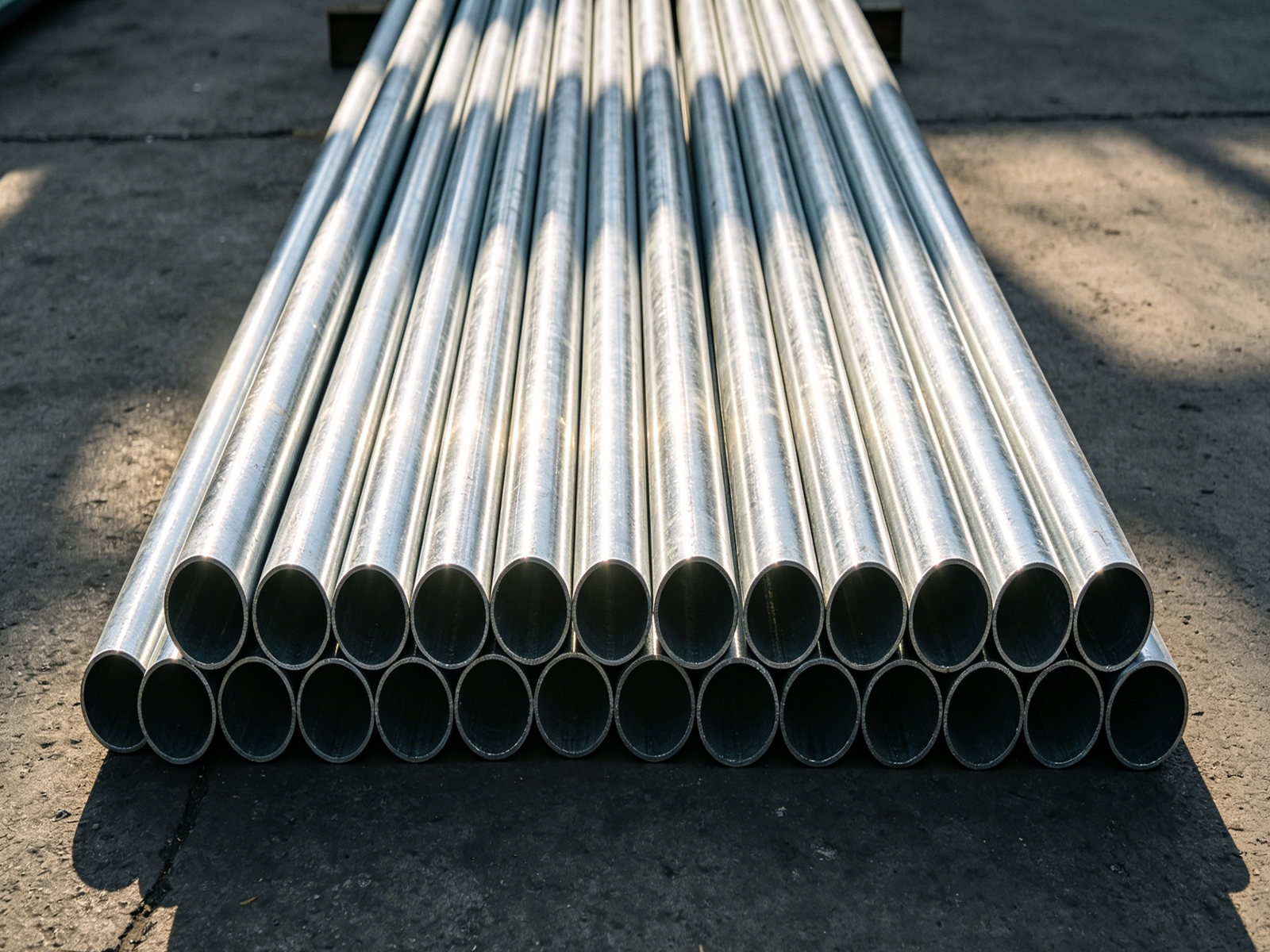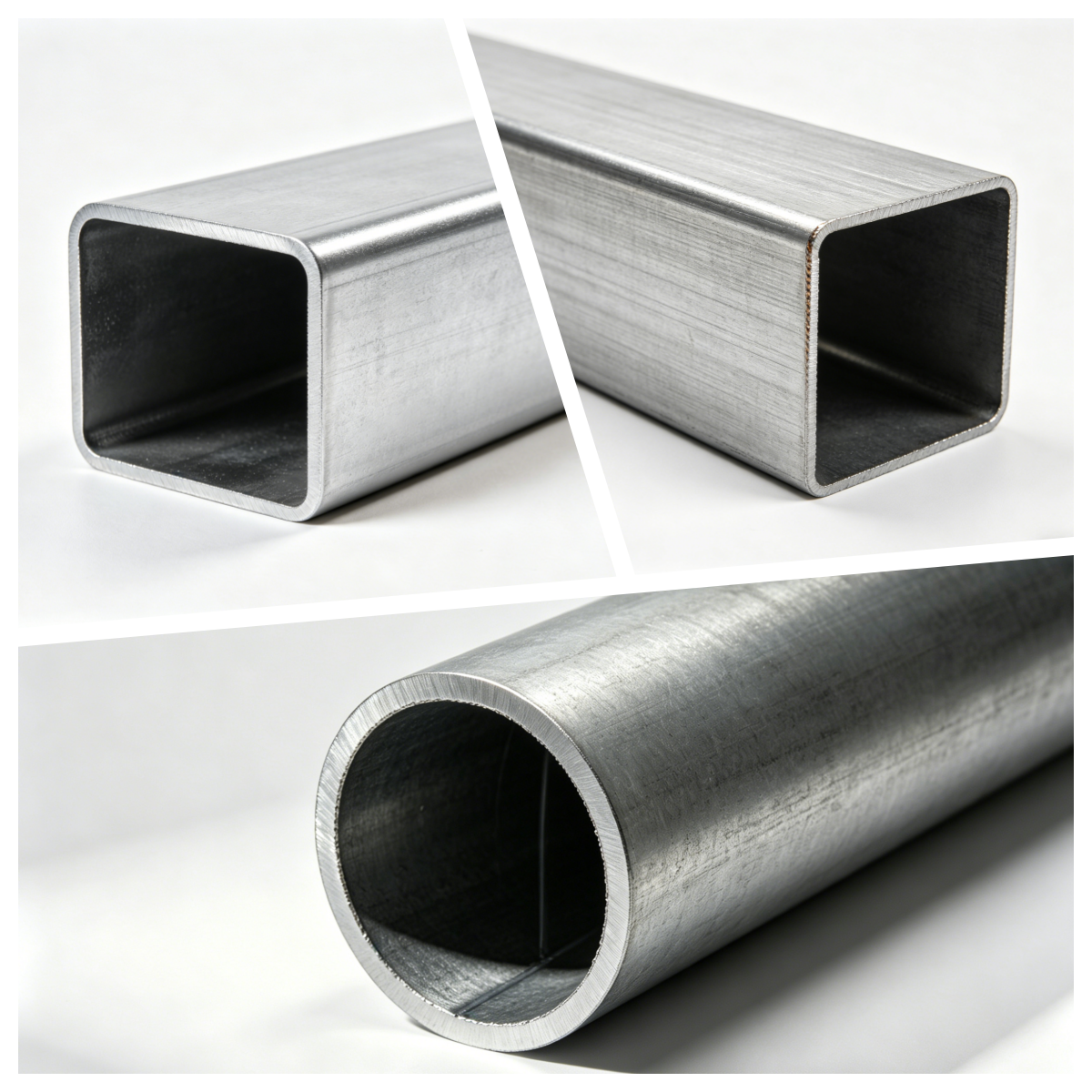



In the steel industry, carbon steel and alloy steel are the two most common types of steel. The primary difference between them lies in whether a significant proportion of alloying elements has been added, and the strengthening effect these elements have on the steel’s properties.
This article will help you understand the differences between the two, which is crucial for material selection, cost control, and engineering safety.
What is Carbon Steel?
Carbon steel refers to steel composed primarily of iron and carbon, typically without the addition of significant amounts of alloying elements.
Generally speaking:
| Type | Carbon Content | Features |
| Low Carbon Steel | 0.05–0.25% | Good weldability |
| Medium Carbon Steel | 0.25–0.60% | Higher strength |
| High Carbon Steel | 0.60–1.0% | High hardness |
Common Carbon Steel Standards:
- ASTM A53
- ASTM A106
- API 5L Gr.B
- ASTM A36
What is Alloy Steel?
Alloy steel is a type of steel produced by adding a certain proportion of alloying elements to carbon steel.
Common alloying elements include:
| Alloying Element | Function |
|---|---|
| Chromium (Cr) | Improves corrosion resistance and high-temperature performance |
| Nickel (Ni) | Enhances toughness and low-temperature performance |
| Molybdenum (Mo) | Improves high-temperature strength |
| Vanadium (V) | Increases strength and wear resistance |
| Manganese (Mn) | Improves hardenability |
| Silicon (Si) | Enhances strength and oxidation resistance |
Typical Alloy Steels:
- ASTM A335 P11 / P22
- ASTM A387
- 4130 Alloy Steel
- 4140 Alloy Steel
Carbon Steel vs Alloy Steel
Carbon Steel vs Alloy Steel: Chemical Composition
Carbon steel relies primarily on carbon strengthening.
Its chemical composition is relatively simple: Fe + C, with small amounts of Mn and Si.
Alloy steel contains additional alloying elements in addition to carbon to improve performance.
As a result, its chemical composition is more complex, its properties are more controllable, and it is better suited for extreme service conditions.
| Element | Carbon Steel | Alloy Steel |
| Carbon | Main strengthening element | Present |
| Chromium | Very low | Higher |
| Nickel | Rare | Common |
| Molybdenum | Rare | Common |
| Alloying Elements | Minimal | Multiple additions |
Carbon Steel vs Alloy Steel: Mechanical Properties Comparison
| Property | Carbon Steel | Alloy Steel |
| Strength | Medium | Higher |
| Hardness | Moderate | Higher |
| Weldability | Excellent | More difficult |
| Corrosion Resistance | Lower | Better |
| Heat Resistance | Limited | Excellent |
| Wear Resistance | Moderate | Better |
Due to the alloy strengthening effect, alloy steel performs better under high-pressure, high-temperature, and cyclic loading conditions.
Carbon Steel vs Alloy Steel Pipe
In industrial piping systems, carbon steel pipes and alloy steel pipes are the most common pipe materials, widely used in oil and gas, refinery, petrochemical, power plant, boiler systems, and various industrial fluid transportation projects.
Although both are steel materials, there are significant differences between them in terms of chemical composition, high-temperature resistance, pressure-bearing capability, corrosion resistance, and project applications.
For EPC contractors, engineering procurement managers, and project designers, the selection of steel pipe materials not only impacts project costs but also directly affects pipeline safety, service life, and long-term maintenance costs.
As a professional steel pipe manufacturer, ALLLAND Steel Pipe has long provided ASTM, API, and EN standard carbon steel and alloy steel pipe solutions for global Oil & Gas, Pipeline, Boiler, Structural, and Industrial Piping projects.
Carbon Steel Pipe Applications
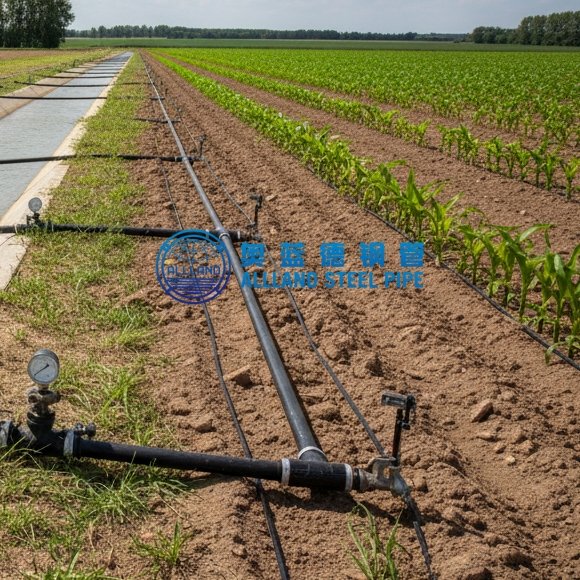
Carbon steel pipe has become one of the most widely used types of steel pipe in industrial projects due to its excellent weldability, machinability, and high cost-effectiveness.
In actual engineering projects, carbon steel pipes are typically used for:
- Water Transmission System
- Structural Steel Construction
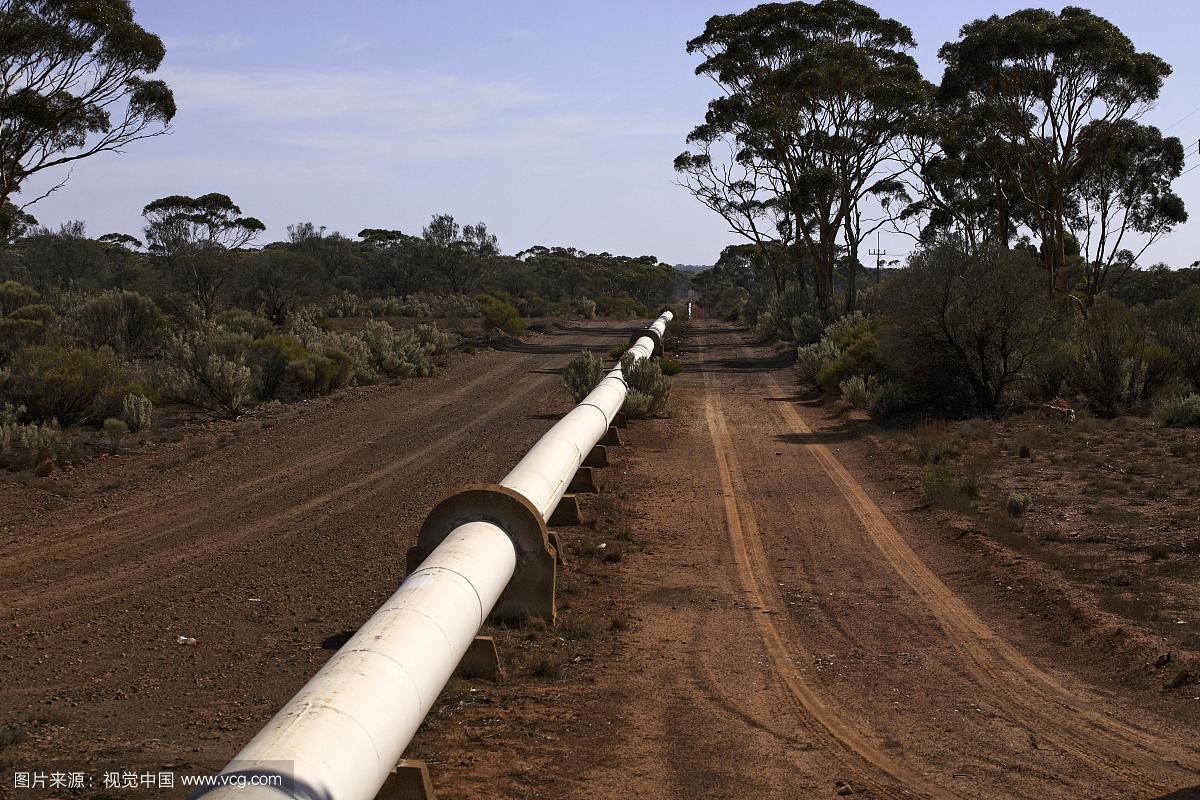
- Oil & Gas Transportation
- Fire Fighting Pipeline
- Mechanical Piping System
- Low-pressure Process Piping
For most standard industrial projects, carbon steel pipe effectively meets strength requirements while keeping procurement costs under control, making it particularly well-suited for large-scale pipeline construction projects.
Common standards for carbon steel pipes include:
| Standard | Description | Typical Applications |
| ASTM A53 | Welded & Seamless Carbon Steel Pipe | Water, gas, structural systems |
| ASTM A106 | Seamless Carbon Steel Pipe for High-temperature Service | Process piping, refinery |
| API 5L | Line Pipe for Oil & Gas Transportation | Oil & gas pipelines |
- ASTM A53 is more commonly used for general fluid transport and structural applications;
- ASTM A106 is often used for medium- and high-temperature process piping;
- API 5L is widely used in long-distance oil and gas pipeline projects.
For applications where the operating temperature is typically below 425°C, carbon steel pipes remain one of the most economical solutions.
Alloy Steel Pipe Applications
Alloy steel pipe is a high-performance steel pipe material produced by adding alloying elements such as chromium (Cr), molybdenum (Mo), nickel (Ni), and vanadium (V) to ordinary steel.
These alloying elements can significantly improve the following properties of steel pipes:
Therefore, alloy steel pipe is better suited for severe service conditions. Typical applications include:
- High-temperature process piping
- Refinery systems
- Boiler & Superheater Systems
- Petrochemical plants
- Thermal power generation
- High-pressure steam pipelines
Common standards for alloy steel pipes include:
| Standard | Description | Typical Applications |
| ASTM A335 | Seamless Ferritic Alloy Steel Pipe | High-temperature piping |
| ASTM A213 | Alloy Steel Boiler Tubes | Boilers & heat exchangers |
- ASTM A335 P11/P22 is a typical chromium-molybdenum alloy pipe;
- ASTM A213 is commonly used in heat exchanger and boiler tube systems.
In refinery, petrochemical, and power plant projects, alloy steel pipes are commonly used in environments where they must operate under high temperatures and pressures over extended periods.
Pressure and Temperature Performance
Pressure resistance and high-temperature performance are among the key factors distinguishing carbon steel pipes from alloy steel pipes.
Standard carbon steel pipes exhibit good overall performance at moderate and low temperatures, but their mechanical properties gradually deteriorate as the operating temperature rises.
In particular, under prolonged high-temperature conditions, carbon steel is prone to Creep/ Oxidation/ Strength Reduction/ Thermal Fatigue.
When operating temperatures exceed approximately 450°C, ordinary carbon steel is no longer capable of meeting the requirements for long-term stable operation.
In contrast, Cr-Mo alloy steel pipes, due to the addition of alloying elements such as chromium (Cr) and molybdenum (Mo), significantly outperform ordinary carbon steel in terms of high-temperature strength, oxidation resistance, and creep resistance.
As a result, alloy steel pipes such as ASTM A335 P11 and P22 are widely used in:
- 500°C+ high-temperature service
- High-pressure steam system
- Refinery cracking units
- Boiler main steam pipelines
In thermal power, refining and petrochemical, and high-temperature, high-pressure pipeline projects, alloy steel pipes are capable of maintaining more stable mechanical performance and service life under long-term high-temperature conditions.
ALLLAND Steel Pipe offers seamless carbon steel pipes and alloy steel pipes tailored to specific project requirements, and provides the following services:
- Heat treatment
- Hydrostatic testing
- PMI inspection
- UT/RT/NDT inspection
- Third-party inspection
To meet the stringent technical requirements of Oil & Gas, Power Plant, Petrochemical, and Industrial Pipeline projects.
Cost Comparison: Carbon Steel vs Alloy Steel
| Cost Factor | Carbon Steel | Alloy Steel |
| Raw Material Cost | Lower | Higher |
| Processing Cost | Lower | Higher |
| Heat Treatment | Minimal | Often required |
| Welding Cost | Lower | Higher |
| Maintenance Cost | Higher in corrosive service | Lower |
From a project cost perspective, carbon steel is generally more cost-effective due to its lower raw material costs, simpler processing requirements, and more convenient welding processes. As a result, it is widely used in cost-sensitive projects, such as water conveyance systems, structural systems, and conventional pipeline construction.
In contrast, alloy steel generally entails higher manufacturing and processing costs due to its additional alloying elements, stricter heat treatment requirements, and more complex quality control procedures. However, in high-temperature and high-pressure environments, alloy steel often offers a longer service life and lower long-term maintenance costs, making it more suitable for high-performance industrial systems.
Which Is Better: Carbon Steel or Alloy Steel?
The key difference between the two materials can be simply understood as:
| Comparison Item | Carbon Steel | Alloy Steel |
| Material Cost | Lower | Higher |
| Weldability | Better | More complex |
| High-temperature Performance | Moderate | Excellent |
| Corrosion Resistance | Lower | Better |
| Typical Applications | Water, structure, line pipe | Boiler, refinery, power plant |
In actual engineering projects, many systems utilize two types of materials simultaneously. For example, in refinery projects, API 5L carbon steel pipes are typically used for ambient-temperature transport lines, while ASTM A335 alloy steel pipes are used for high-temperature cracking or steam systems, in order to meet the technical requirements of different operating conditions while controlling costs.
Therefore, for EPC contractors, industrial buyers, and project engineers, the correct selection of pipe materials is not merely a matter of comparing material grades, but rather a comprehensive evaluation based on operating temperature, pressure conditions, corrosion environment, and project budget.
Conclusion
Both carbon steel and alloy steel play irreplaceable and vital roles in the industrial sector, but they are suited to different engineering environments and project requirements.
Thanks to its excellent weldability, cost-effectiveness, and widespread market availability, carbon steel remains the mainstream material for general piping systems, structural engineering, and conventional oil and gas projects. Alloy steel, on the other hand, is widely used in demanding conditions such as refineries, power plants, and boiler systems due to its superior high-temperature performance, pressure resistance, and corrosion resistance.
Looking for reliable carbon steel and alloy steel pipe solutions?
ALLLAND Steel Pipe supplies ASTM, API, and EN standard steel pipes for global industrial projects.
FAQ
Carbon steel is primarily composed of iron and carbon, while alloy steel contains additional alloying elements such as chromium, nickel, and molybdenum to enhance strength, high-temperature resistance, and corrosion resistance.
Generally, alloy steel has higher strength and hardness than carbon steel, making it particularly suitable for high-temperature and high-pressure applications.
Carbon steel is generally cheaper because it contains fewer alloying elements and requires less processing and heat treatment.
Yes. Most alloy steels are still susceptible to corrosion, although their corrosion resistance is generally superior to that of ordinary carbon steel.
Yes. Broadly speaking, stainless steel is a type of alloy steel, but it is typically classified separately in industrial applications.