
Introduction
LSAW pipes play an important role in offshore platform construction, where structural reliability and manufacturing quality are essential. Their selection involves material properties, welding quality, dimensional control, inspection, and marine corrosion protection. ALLLAND manufactures JCOE LSAW pipes to meet the technical requirements of offshore structural projects.
LSAW Pipes Used in Offshore Platform Structures
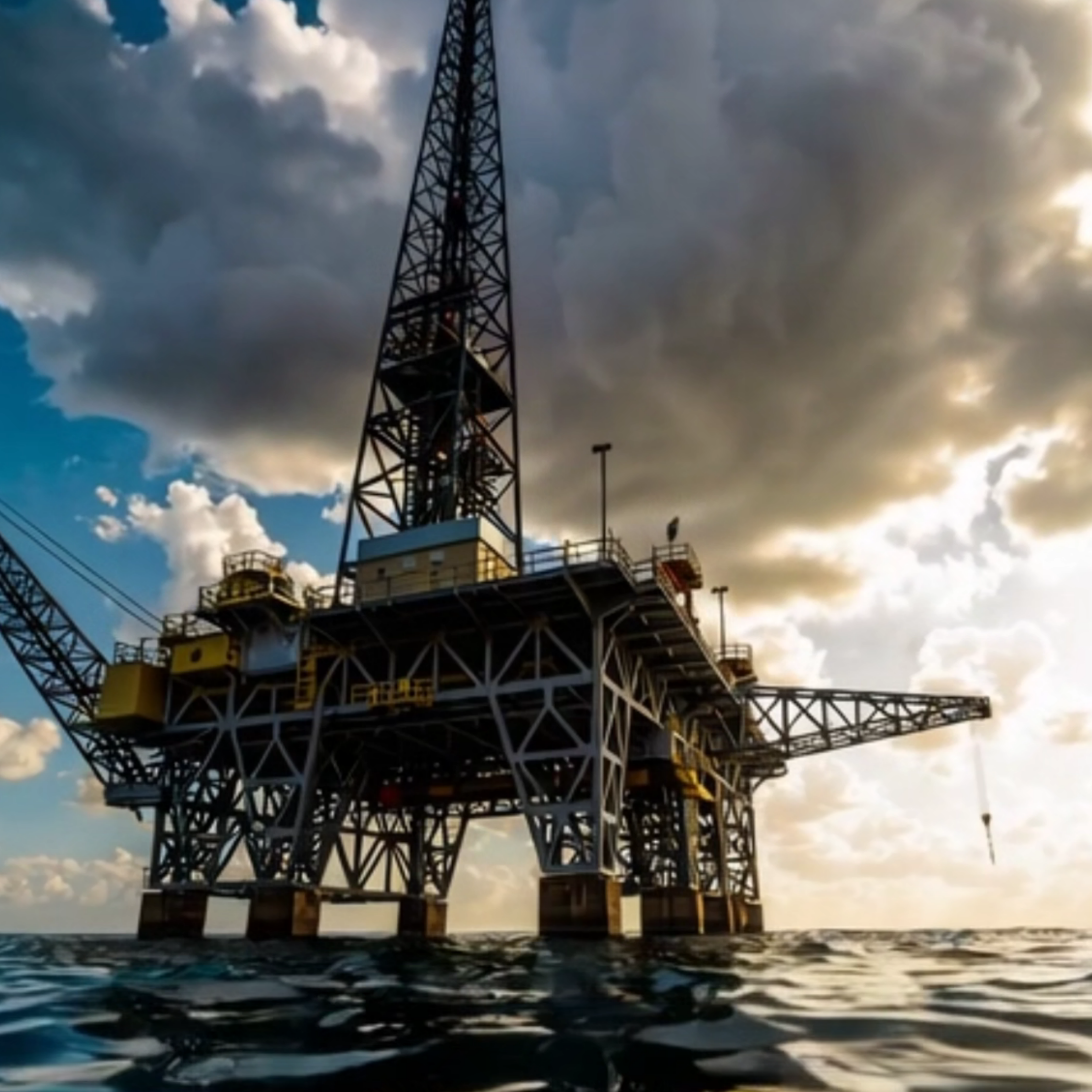
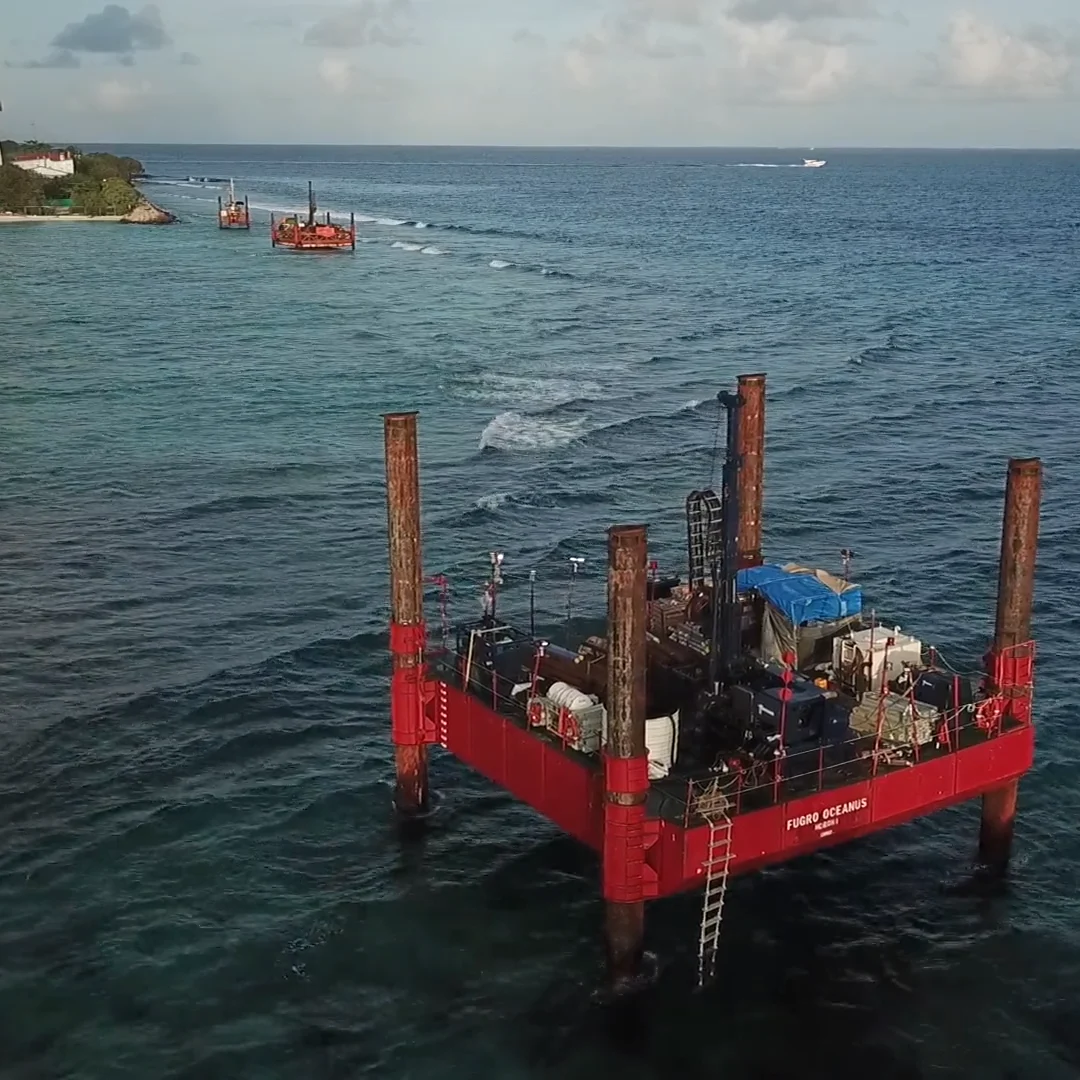
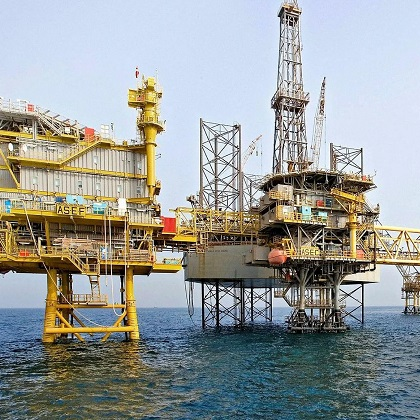
Offshore platforms use tubular steel members to support the topside facilities, resist environmental loads, and maintain structural stability. LSAW pipes are commonly incorporated into the following components:
Jacket Legs and Main Support Members
Jacket legs are the main vertical supports of fixed offshore platforms. They carry the weight of the upper structure and transfer loads to the seabed foundation. Due to their critical role, these pipes must withstand high axial loads, bending moments, and environmental forces from waves, currents, and wind.
Jacket Bracing Members
Jacket bracing members connect the main legs through diagonal and horizontal tubular elements. They distribute lateral forces across the jacket and help maintain overall structural stability under wave and current loading. Their dimensions and wall thicknesses must also accommodate the requirements of tubular joints and connections.
Deck Support Structures
Deck support structures carry topside facilities, including processing equipment, pipelines, and platform modules. LSAW pipes can be incorporated into support columns and other load-bearing tubular members to provide the required strength and stability under equipment loads and offshore operating conditions.
Offshore LSAW Pipe Specifications
Offshore structural applications often require large-diameter, heavy-wall steel pipes. ALLLAND manufactures LSAW pipes with the following dimensional capabilities:
| Specification | Manufacturing Range |
| Outside Diameter (OD) | 406–1,524 mm |
| Wall Thickness (WT) | 6–60 mm |
| Pipe Length | Approximately 3–12.5 m |
| Manufacturing Process | JCOE LSAW |
Available dimensions can be tailored to project requirements. Steel grades, dimensional tolerances, mechanical properties, and inspection requirements are confirmed according to applicable standards and project specifications.
Material Grades and Standards for Offshore Structural Pipes
LSAW steel pipes used in offshore structures must meet specific material and technical requirements to ensure reliable performance under offshore operating conditions. The applicable standards, steel grades, and mechanical properties depend on the structure’s intended use, design codes, and project requirements.
API 2B for Offshore Structural Steel Pipes
API 2B specifies requirements for the fabrication of welded structural steel pipe used in offshore platforms. Its key scope and application points include:
- Manufacturing:Covers pipes fabricated from steel plate with longitudinal and circumferential butt-welded seams.
- Applications:Used for offshore platform piling and main structural members, including tubular truss connections.
- API 2B vs. API 5L:API 2B applies to offshore structural pipes, while API 5L covers steel line pipe for oil and gas transportation.
- Other Standards:ASTM A252 covers welded and seamless steel pipe piles, while EN 10219 covers cold-formed welded structural hollow sections. Their applications differ from API 2B.
Note: The applicable API 2B edition, dimensional limits, material requirements, and manufacturing conditions should be verified against the project specifications. Not all dimensions within a manufacturer’s production range necessarily fall within the API 2B scope.
Key Material Requirements for Offshore Applications
Steel grade selection directly affects the strength, toughness, and structural reliability of offshore pipes. In offshore environments, two important considerations are low-temperature toughness and resistance to dynamic loading.
Low-Temperature Toughness: Offshore platforms may operate in cold marine environments, where low temperatures can reduce the impact toughness of steel and increase its susceptibility to brittle fracture. Steel pipes used in these conditions require suitable low-temperature impact properties to maintain structural integrity.
Charpy V-notch (CVN) impact testing is commonly specified to verify material toughness at the project design temperature.
Dynamic Marine Loading: Offshore structures are continuously exposed to waves, currents, and wind, which generate cyclic stresses and repeated loading on tubular members. Over time, these forces can contribute to fatigue damage, particularly around welded joints and tubular connections.
Yield strength, tensile strength, elongation, and impact toughness are important material selection criteria. Fatigue performance should also be evaluated based on loading conditions, weld details, tubular joint geometry, and the expected number of loading cycles.
Corrosion Protection for Offshore Structural Pipes
Offshore structural pipes are exposed to aggressive marine environments, where seawater, salt spray, humidity, and temperature variations can accelerate corrosion. Effective corrosion protection is essential to maintain the structural integrity and service life of steel tubular members, particularly in splash zones and other highly exposed areas.
Protective Coatings and Surface Treatment
Offshore structural pipes require suitable corrosion protection based on their exposure conditions and project specifications.
- Protective Coatings:FBE, 3LPE, and specialized heavy-duty coatings may be selected according to the application.
- Surface Preparation:Steel surfaces should be cleaned and abrasive-blasted before coating. ISO 8501-1 (Sa 2½) specifies a commonly used blast-cleaning grade, while ISO 8503 addresses surface roughness assessment.
- Coating Inspection:Key checks include coating thickness, adhesion, and holiday detection.
- Splash-Zone Protection:Splash-zone components require specialized heavy-duty coating systems or supplementary protection to withstand seawater exposure, wave impact, and mechanical damage.
Coating selection and inspection should follow project specifications, with ISO 12944-9 serving as a reference for protective paint systems on offshore steel structures.
ALLLAND LSAW Pipe Manufacturing Capabilities for Offshore Projects
ALLLAND manufactures large-diameter LSAW steel pipes for offshore structural and industrial applications. With JCOE production lines and project-based quality control, the company can manufacture pipes according to specified dimensions, material grades, and inspection requirements.
1. Large-Diameter and Heavy-Wall Pipe Manufacturing
ALLLAND’s JCOE LSAW production lines can manufacture steel pipes with outside diameters of 406–1,524 mm, wall thicknesses of 6–60 mm, and lengths of approximately 3–12.5 m. Within this manufacturing range, pipe dimensions and production arrangements can be tailored to approved project drawings and technical specifications.
2. Welding Quality and Inspection
- Weld Inspection:Checks weld formation and integrity.
- Non-Destructive Testing:UT and RT to detect potential weld defects, as specified by project requirements.
- Dimensional Inspection:Verifies outside diameter, wall thickness, ovality, and straightness.
- Mechanical Testing:Evaluates tensile properties and impact toughness where required.
- Quality Documentation:Provides inspection records and EN 10204 3.1 material test certificates as specified.
3. ALLLAND Certifications
ALLLAND holds API 2B and BV certifications, demonstrating its qualifications and capabilities in offshore structural steel pipe manufacturing and quality management.
- API 2B:Relevant to the manufacture of welded structural steel pipe for offshore platforms.
- BV Certification:Provides third-party recognition within the scope of the applicable certification.
These qualifications support ALLLAND in meeting the manufacturing, quality assurance, and inspection requirements of offshore structural projects.
FAQs
What Is LSAW Pipe Used for in Offshore Platform Structures?
LSAW pipes are used in major load-bearing components of offshore platforms, including jacket legs, bracing members, and deck support structures. Their large-diameter and heavy-wall capabilities make them suitable for tubular structural applications requiring high strength and stability.
What Is the Difference Between API 2B and API 5L?
API 2B specifies requirements for welded structural steel pipe used in offshore platforms, whereas API 5L covers steel line pipe for pipeline transportation systems in the oil and gas industry. They serve different applications and are not interchangeable.
What Steel Grades Are Used for Offshore Structural Pipes?
Steel grades are selected according to structural design requirements, loading conditions, and environmental factors. Important considerations include yield strength, tensile strength, impact toughness, and weldability. The required grade and CVN impact properties should be confirmed in the project specifications.