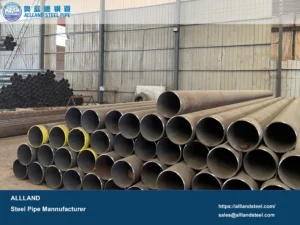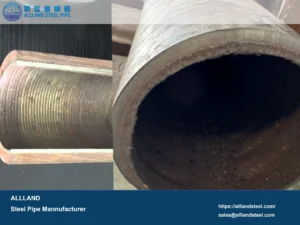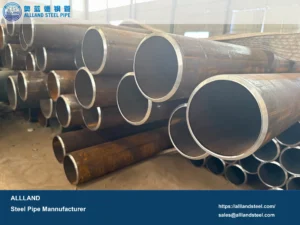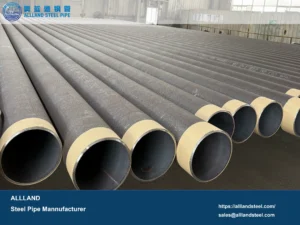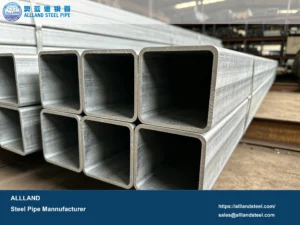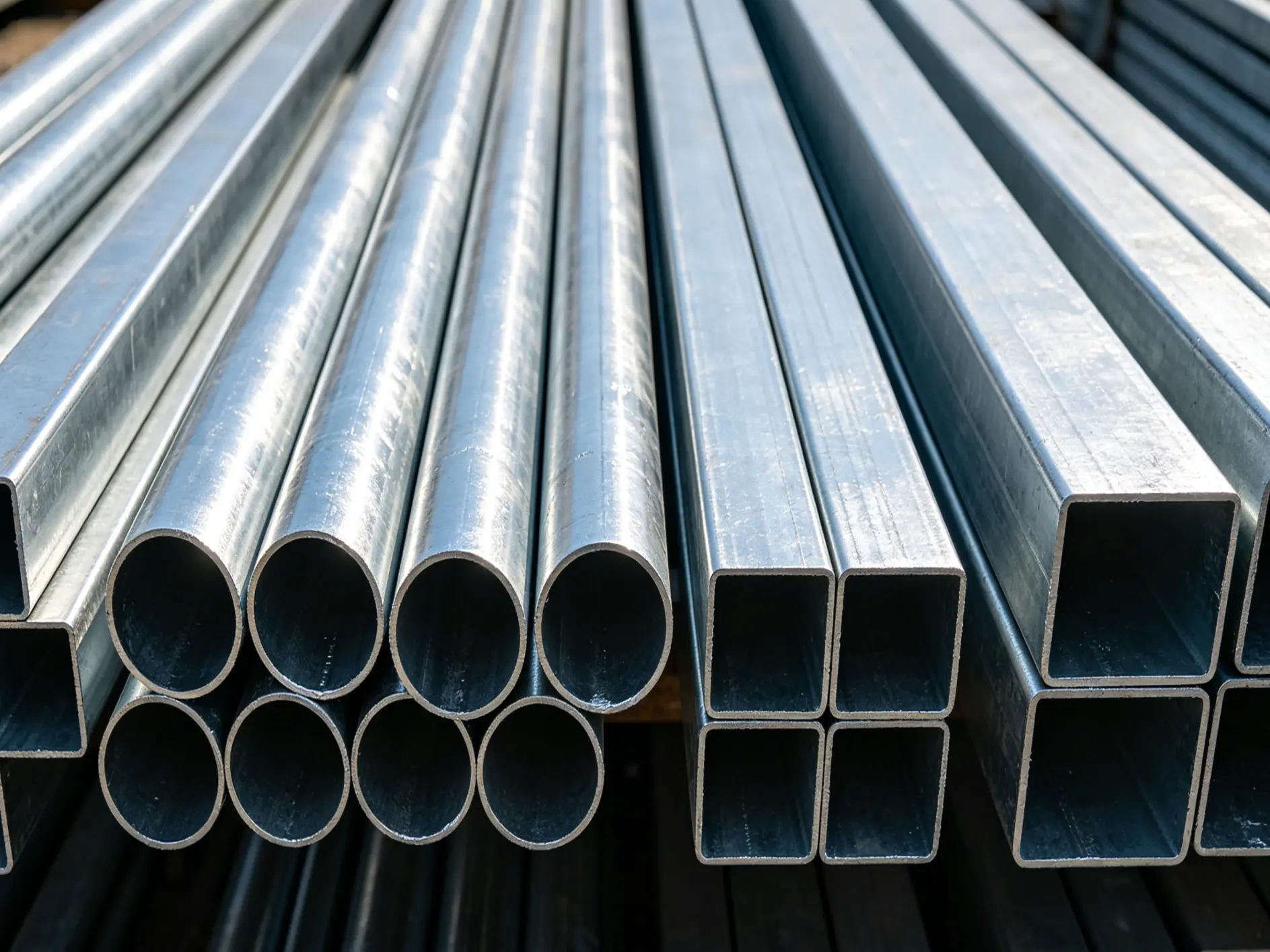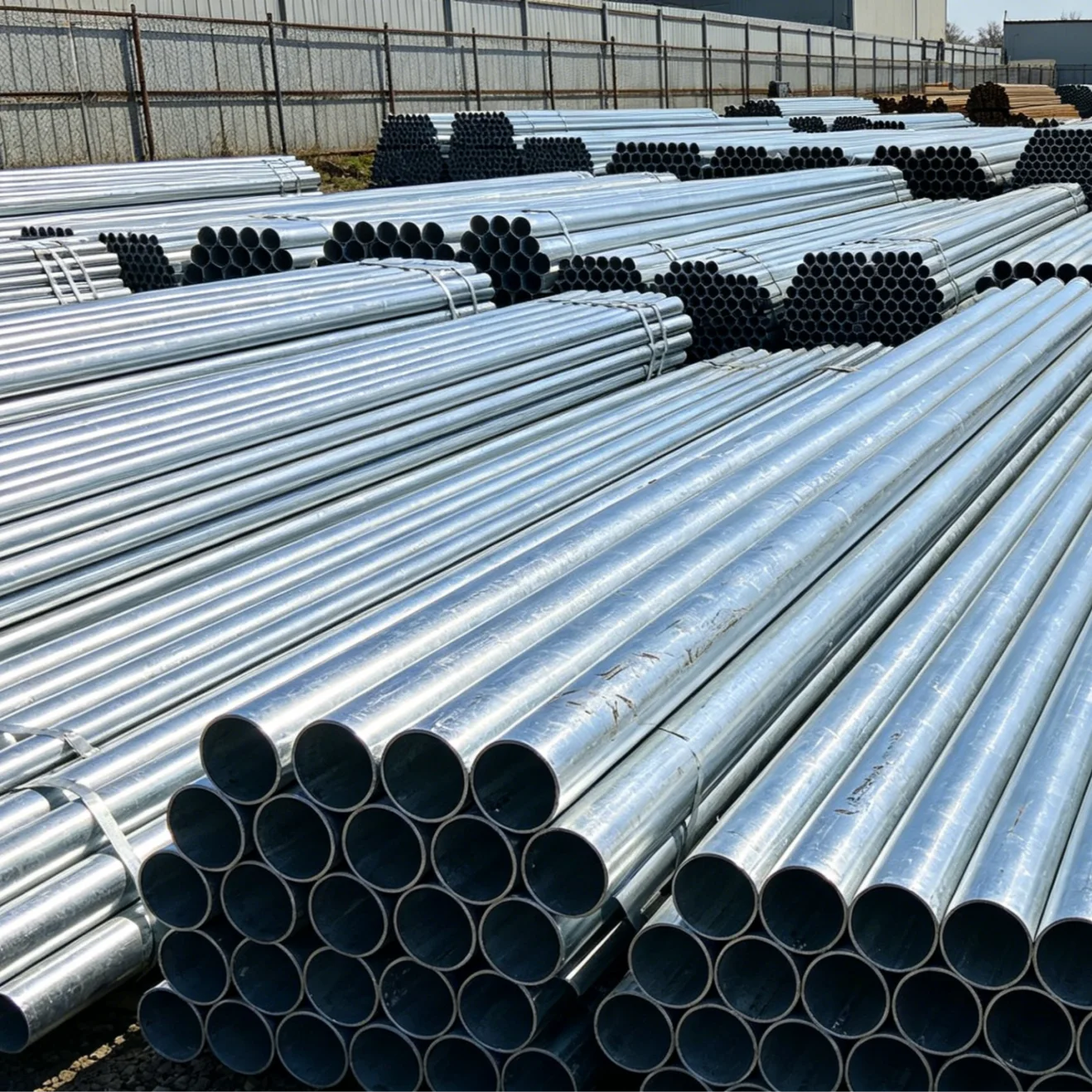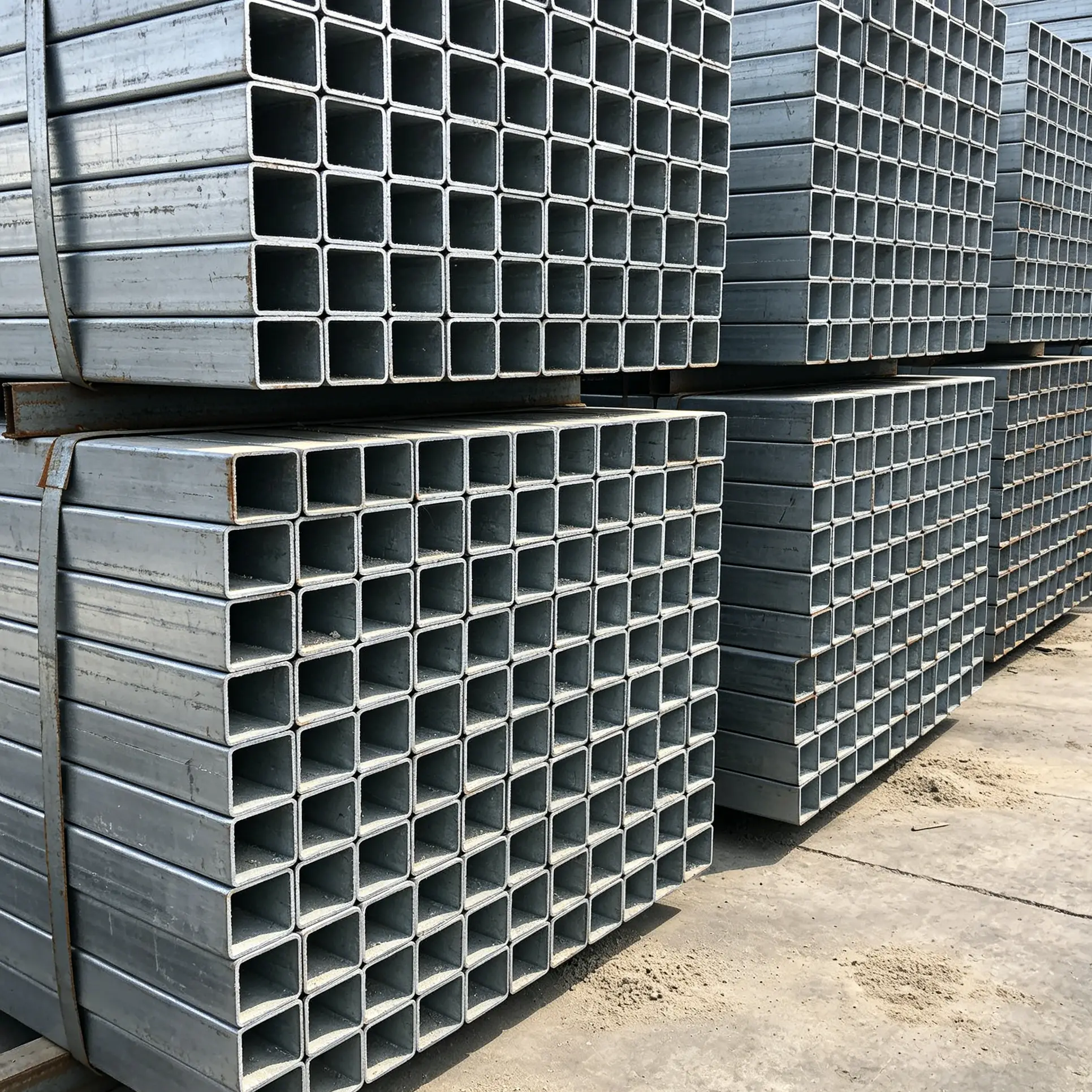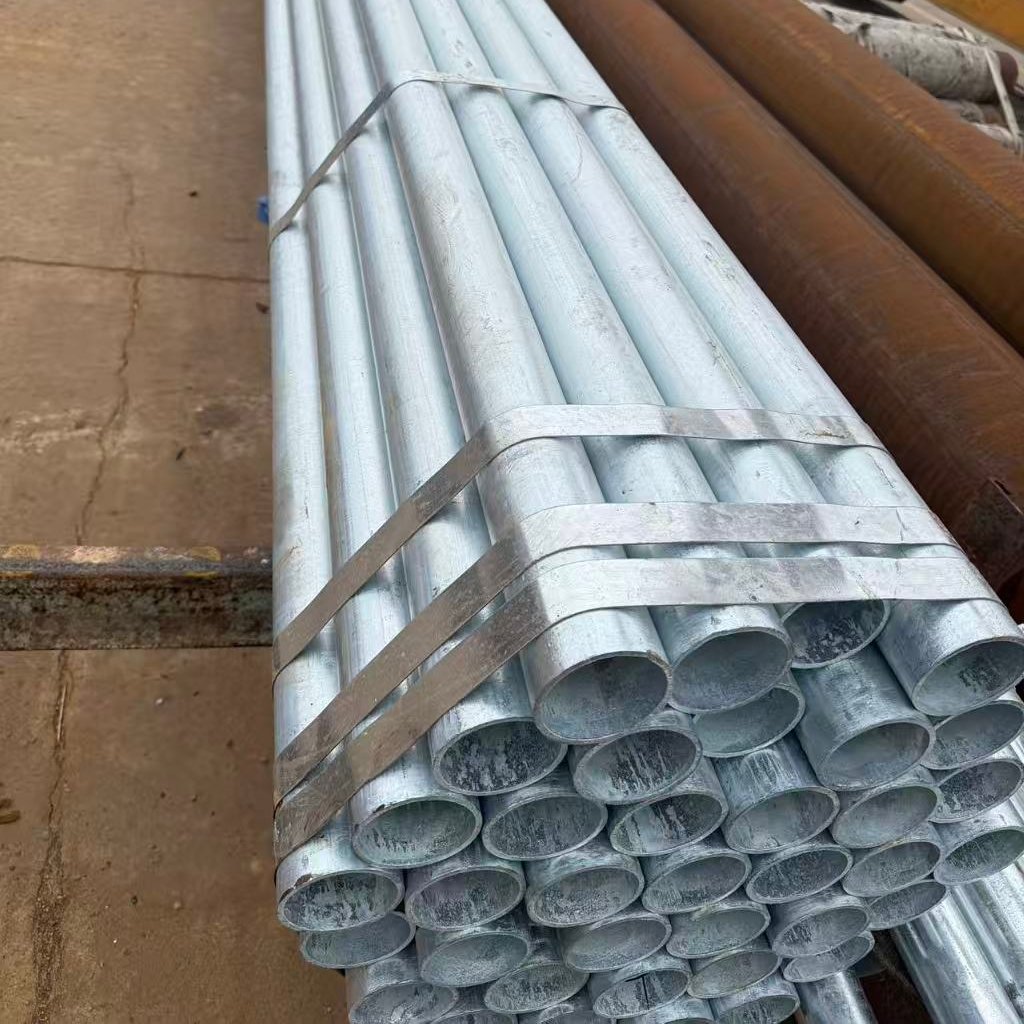

GI Pipe (Galvanized Iron Pipe)—typically referring to galvanized steel pipe or hot-dip galvanized steel pipe—is created by applying a protective zinc coating to the surface of carbon steel or low-carbon steel pipe via a galvanizing process. This significantly enhances the pipe’s corrosion resistance and service life.
GI pipe is one of the most widely used piping materials in global construction projects, municipal water supply systems, fire protection networks, and industrial transport systems, making it particularly suitable for outdoor and humid environments.
Basic Definition and Classification of GI Pipe
What is GI pipe?-What is Galvanized Iron Pipe
GI pipe refers to steel pipe that has a protective layer formed on its surface through hot-dip galvanizing or electro-galvanizing.
The most common manufacturing process for galvanized iron pipes is hot-dip galvanizing, where finished steel pipes are cleaned, immersed in a molten zinc bath at approximately 450°C, and coated with a metallurgically bonded zinc layer. This coating provides long-term protection, especially in outdoor, humid, and mildly corrosive environments. Another method is pre-galvanizing, where steel strips are galvanized before being formed and welded into pipes.
Main Types of GI Pipe
1. Hot-dip Galvanized Pipe
The hot-dip galvanizing process involves immersing steel pipes in molten zinc at approximately 450°C, creating a metallurgical bond (Zn-Fe alloy layer) between the zinc and the iron, thereby providing long-term, stable corrosion protection.
- Thick zinc coating (approx. 60–150 μm; up to 200 μm for heavy-duty corrosion protection)
- Superior corrosion resistance
- Long service life
- A mainstream choice for industrial and engineering applications
2. Electro-galvanized Pipe
Cold galvanizing utilizes electrolytic deposition to form a zinc layer; it primarily offers short-term corrosion protection and is generally unsuitable for long-term outdoor use or highly corrosive environments.
- Thin zinc layer (Zinc Coating Thickness: approx. 5–25 μm)
- Lower cost
- Often used for lightweight structures or temporary applications
Hot-dip galvanized steel pipe is currently the mainstream product in the international market.
GI Pipe Specifications and Technical Data
GI Pipe Dimensions and Size Range
- Outer Diameter: 1/2” – 12” (or customized)
- Wall Thickness: SCH10 – SCH40 (or light/medium/heavy)
- 6 meters / 12 meters / customized
GI Pipe Manufacturing Standards
GI Pipe is manufactured according to international standards to ensure dimensional accuracy, mechanical performance, and corrosion resistance.
- ASTM A53 – Galvanized welded steel pipe for structural and pressure applications
- BS 1387 – Traditional standard for galvanized steel tubes
- EN 10255 – Steel tubes suitable for threading and welding
- IS 1239 – Galvanized mild steel tubes for water and industrial applications
GI Pipe Zinc Coating Thickness and Corrosion Protection
The zinc coating thickness of GI Pipe determines its corrosion resistance and service life.
Different coating levels are available according to application requirements.
| Zinc Coating Thickness | Application |
|---|---|
| 40–60 μm | Light-duty applications, indoor piping, general use |
| 60–100 μm | Standard industrial applications, water supply and construction |
| 100–150 μm | Heavy corrosion environments, outdoor and infrastructure projects |
GI Pipe Weight Chart & Size Chart (Optional Section)
For common specifications of GI pipe, please refer to the Hot-dip Galvanized Pipe Size Chart or the Cold-Galvanized Size Chart to obtain complete parameters regarding outer diameter (OD), wall thickness (WT), and weight.
GI Pipe vs MS Pipe (Mild Steel Pipe)
| Feature | GI Pipe (Galvanized Iron Pipe) | MS Pipe (Mild Steel Pipe / Black Steel Pipe) |
| Surface Treatment | Hot-dip galvanized zinc coating | No coating / black surface finish |
| Corrosion Resistance | High – excellent rust protection due to zinc layer | Low – requires painting or additional coating |
| Service Life | 20–50 years depending on environment | 5–15 years depending on protection |
| Maintenance | Low maintenance requirement | High maintenance (regular anti-rust treatment needed) |
| Cost | Higher initial cost | Lower initial cost |
| Strength | Same base steel strength | Same base steel strength |
| Applications | Water supply, outdoor structures, fire protection systems | Structural use, indoor applications |
| Weather Resistance | Excellent for outdoor and humid environments | Poor without protective coating |
For a detailed comparison, see “Galvanized vs. Black Pipe.”
Advantages and Limitations of GI Pipe
✔ Advantage 1:
Excellent corrosion resistance
The zinc layer provides electrochemical protection, delaying steel corrosion.
✔ Advantage 2:
Long service life
Suitable for long-term infrastructure projects.
✔ Advantage 3:
Low maintenance costs
No need for frequent painting or anti-rust treatment.
✔ Advantage 4:
Stable mechanical properties
Retains the steel’s original strength.
✔ Advantage 5:
Wide range of applications
Covers multiple sectors, including construction, municipal engineering, and industry.
× Limitations :
· Higher cost than standard black steel pipe
· Not suitable for high-temperature environments (>200°C)
· Zinc coating degrades more rapidly in strongly acidic or alkaline environments
· Slightly heavier than some composite pipes
How to Choose the Right GI Pipe?
When selecting galvanized iron (GI) pipes for engineering projects, it is essential to consider the operating environment, pressure requirements, relevant standards, and expected service life.
Proper selection ensures safety, durability, and cost-effectiveness.
Factors to consider during selection include:
Outdoor / Humid / Coastal environments → Hot-dip galvanized pipes recommended
Indoor / Dry environments → Lightweight galvanized pipes may be used
Low-pressure applications → Standard galvanized iron (GI) pipe is sufficient.
- Working Pressure: ≤ 1.0 MPa (≈ 150 psi)
- Typical Use:
- Water supply (low-rise buildings)
- Irrigation systems
- Air ventilation / drainage lines
Medium-pressure system → Galvanized iron pipe with thicker walls, or galvanized reinforced carbon steel pipe.
- Working Pressure: 1.0 – 2.5 MPa (≈ 150 – 360 psi)
- Typical Use:
- Fire sprinkler systems
- Industrial water distribution
- General engineering pipelines
High-pressure system → Requires thick-walled steel pipe + hot-dip galvanizing.
- Working Pressure: 5 – 4.0 MPa (≈ 360 – 580 psi)
- Typical Use:
- Industrial fluid transport
- High-demand fire protection systems
- Structural pressurized pipelines
✔ Important Note: Engineering design typically relies on the combination of **standard and wall thickness rating (Schedule/Class)** rather than a single pressure value.
Select GI Pipe based on project specifications:
- ASTM standards (e.g., ASTM A53)
- BS standards (e.g., BS 1387)
- EN standards (e.g., EN 10255)
- Temporary structures → Electro-galvanized or light-duty GI Pipe
- Long-term infrastructure → Hot-dip Galvanized Steel Pipe (recommended)
Conclusion
GI Pipe is a reliable solution for corrosion-resistant and long-life pipeline applications across construction, water supply, and industrial projects.
For stable quality and international standards compliance, you can rely on ALLLAND Steel Pipe as your long-term supply partner for galvanized steel pipe solutions.