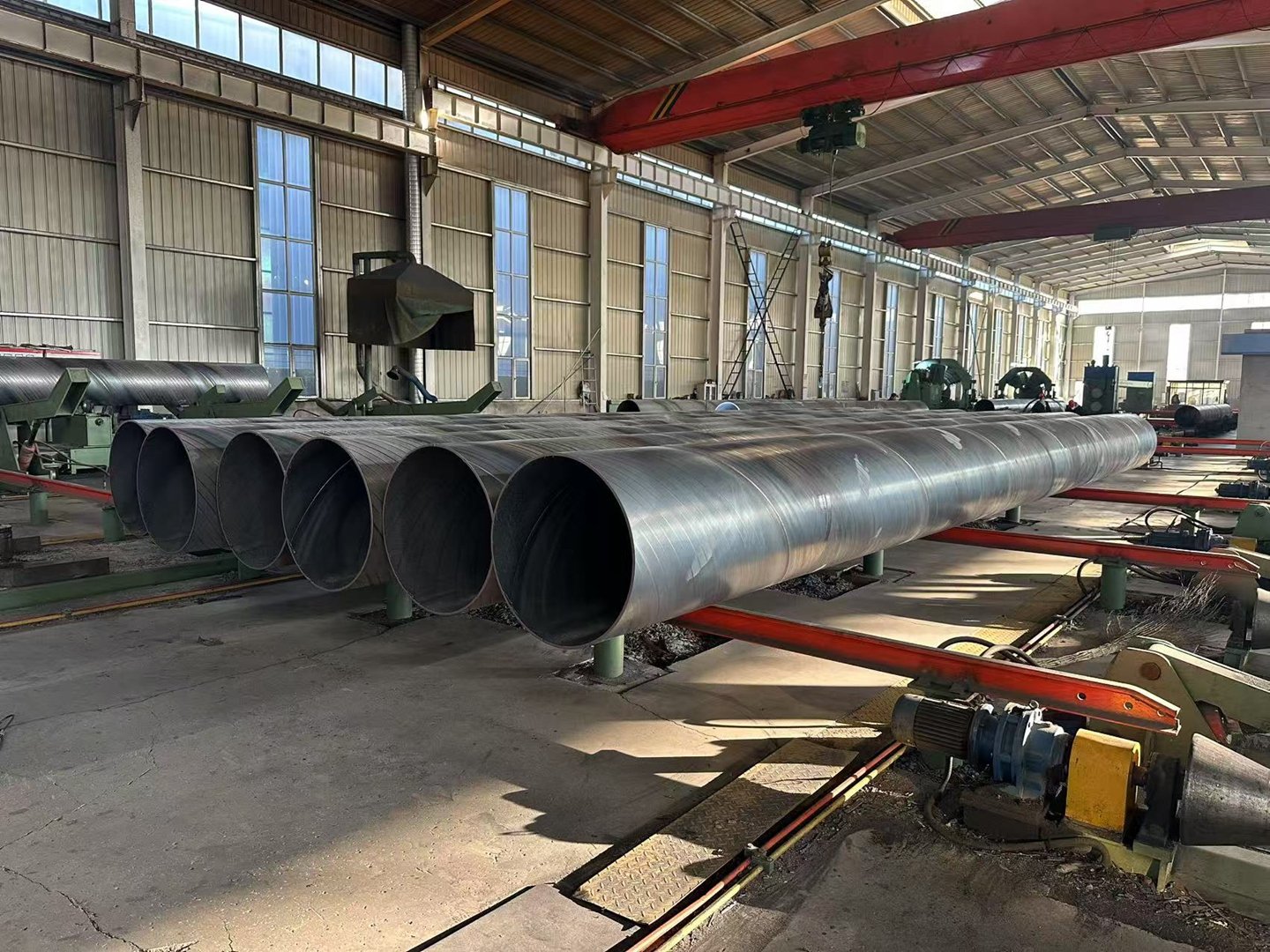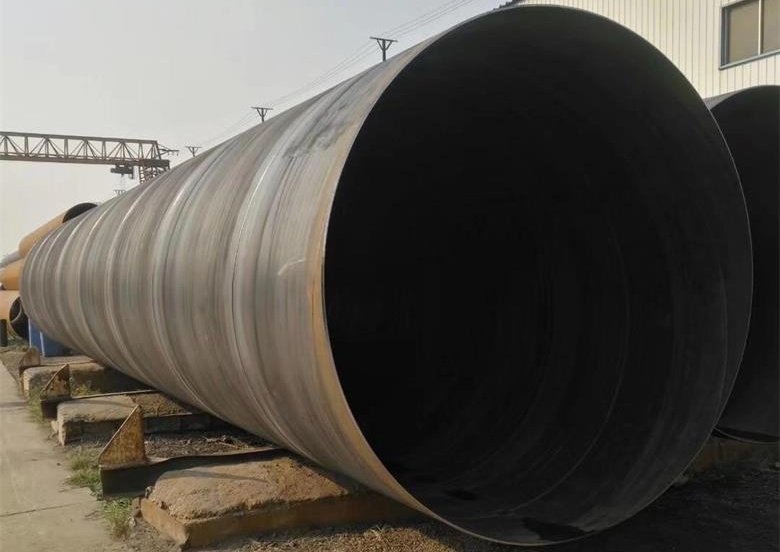

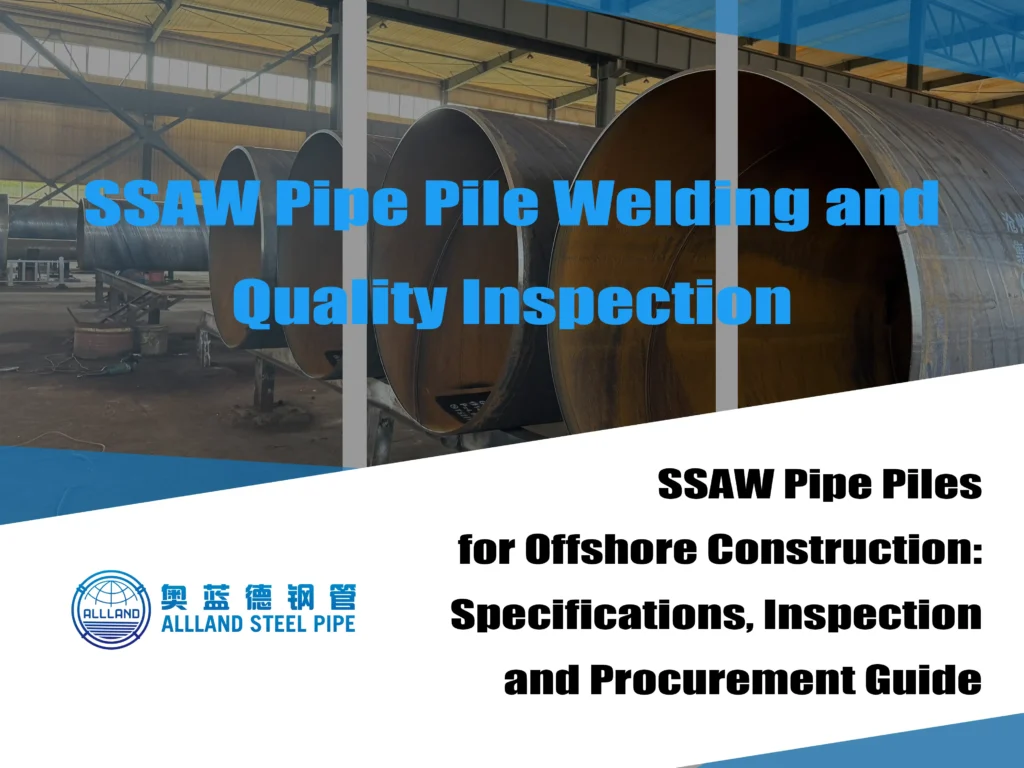
SSAW pipe piles are large-diameter welded steel pipes used as foundation elements in marine and offshore construction. Their suitability depends on diameter, wall thickness, length, steel grade, weld quality, inspection, corrosion protection and installation requirements.
For buyers, the key is to match the pipe specification with the project design, applicable standards and marine service conditions.
SSAW Pipe Pile Specifications for Offshore Construction
SSAW pipe piles are specified according to outside diameter, wall thickness, length, steel grade and applicable standards. Selection depends on structural loads, soil conditions, pile-driving stresses, corrosion allowance and project requirements.
SSAW Pipe Pile Specifications
| Specification | Typical Range / Options |
| Outside Diameter (OD) | 219–3,500 mm |
| Wall Thickness (WT) | 5–25 mm |
| Pile Length | Customized according to project requirements |
| Steel Grade | API 5L X42, X52, X60, X65 and project-specified grades |
| Dimensional Control | OD, WT, length, straightness and end preparation |
| Inspection | UT, RT, visual and dimensional inspection, as specified |
The required diameter and wall thickness should be determined from design loads, soil conditions, driving stresses and corrosion allowance. Steel grade selection should consider yield strength, tensile strength, toughness and weldability.
For offshore projects, buyers should also confirm applicable manufacturing standards, testing requirements, dimensional tolerances and documentation before placing an order.
SSAW Pipe Pile Welding and Quality Inspection
Weld integrity is a key consideration when purchasing SSAW pipe piles. Buyers should define the required welding and inspection procedures according to the project specification.
Spiral Weld Quality
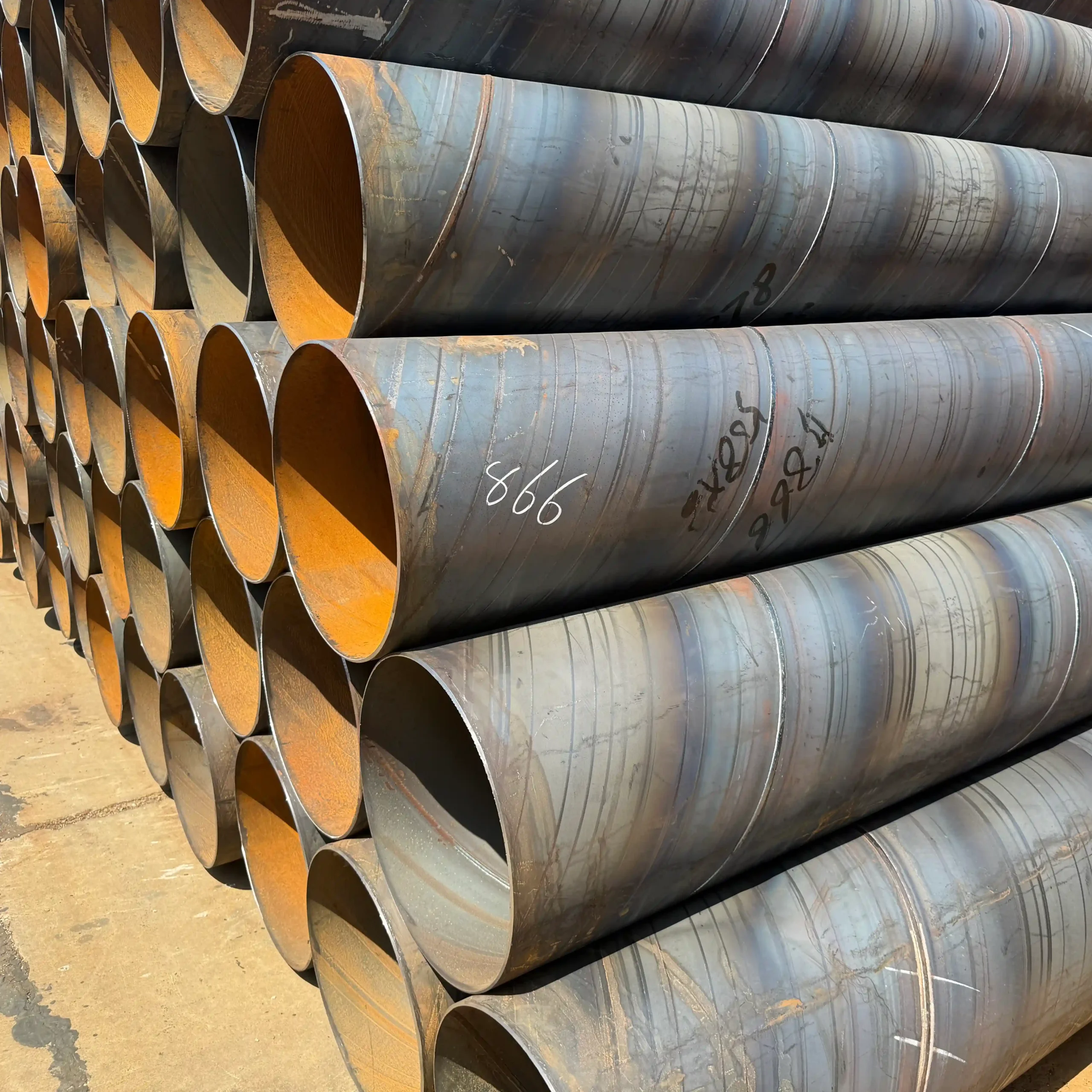
SSAW pipe is formed and welded along a spiral seam using submerged arc welding. Weld quality is controlled through appropriate welding parameters, penetration, weld geometry and continuity.
NDT and Dimensional Inspection
Depending on project requirements, inspection may include UT, RT, visual inspection and dimensional checks. Mechanical and chemical testing may also be required for material verification.
Material Traceability
Heat numbers and mill test certificates (MTC) provide traceability for the steel used in production. Inspection records should correspond to the applicable pipe and project documentation.
Corrosion Protection for Offshore SSAW Pipe Piles
Marine pipe piles are exposed to seawater, oxygen and repeated wet-dry cycles. Corrosion protection typically combines corrosion allowance, coatings and cathodic protection according to the required design life.
Corrosion allowance accounts for expected steel loss during the pile’s service life. Its value depends on exposure conditions, corrosion rates and project specifications.
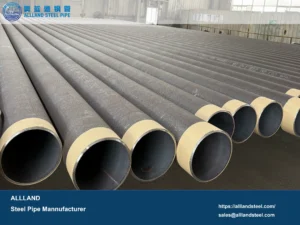
Depending on the project, FBE, 3LPE, 3LPP or marine-grade coating systems may be used. Sacrificial anodes or impressed current systems can provide additional protection for submerged piles.
Splash and tidal zones experience repeated wetting, drying and seawater exposure. These areas may require specialized coating systems or additional corrosion protection.
SSAW Pipe Pile Requirements for Installation
Installation conditions can affect pipe wall thickness, length, end preparation and material requirements.
- Pile driving:Pipes should withstand driving stresses, impact loads and handling forces.
- Splicing:Long piles may require shop or field splicing according to the project design.
- End preparation:Beveled ends, pile shoes or end plates may be specified depending on the installation method.
- Handling:Large-diameter piles require suitable lifting, stacking and transportation to prevent deformation or coating damage.
Applications of SSAW Pipe Piles
SSAW pipe piles can be used in marine and offshore structures where their dimensions, material and performance meet the project requirements.
- Offshore oil and gas:foundation piles, jacket structures and supporting structures.
- Offshore wind:marine foundation systems where large-diameter welded piles are specified.
- Ports and marine terminals:jetties, quay structures and berthing facilities.
- Bridges and coastal infrastructure:bridge foundations, piers and other marine structures.
The actual pile type and manufacturing process should be determined by the project design and applicable specifications.
SSAW vs LSAW Pipe Piles for Offshore Projects
SSAW uses a spiral weld, while LSAW uses a longitudinal weld. Both manufacturing processes can produce large-diameter steel pipe piles, but their suitability depends on pipe dimensions, wall thickness, dimensional requirements, welding specifications and project standards.
For offshore projects, buyers should evaluate the complete pile specification rather than selecting a manufacturing process based on the weld configuration alone.
SSAW Pipe Piles Manufacturer and Supplier
ALLLAND manufactures large-diameter SSAW pipe piles for marine, offshore and foundation applications. Pipe piles can be produced to specified diameter, wall thickness, steel grade and length, with welding inspection, NDT, dimensional control and MTC provided according to project requirements.
Coating and corrosion protection options are also available for marine applications, with international delivery support for project-based orders.
FAQ
What are SSAW pipe piles used for?
SSAW pipe piles are used for marine and offshore foundations, including oil and gas structures, ports, jetties, piers and coastal infrastructure, subject to project requirements.
What sizes are available for SSAW pipe piles?
SSAW pipe pile dimensions are project-specific. Buyers typically specify outside diameter, wall thickness and length according to structural loads, soil conditions, installation requirements and applicable standards.
Are SSAW pipe piles suitable for offshore construction?
SSAW pipe piles can be suitable for offshore construction when their dimensions, material, weld quality, inspection and corrosion protection meet the project design and applicable specifications.