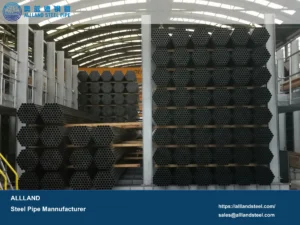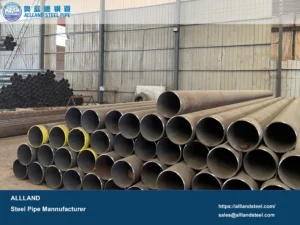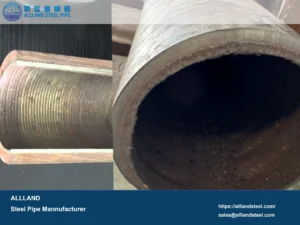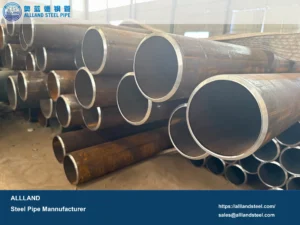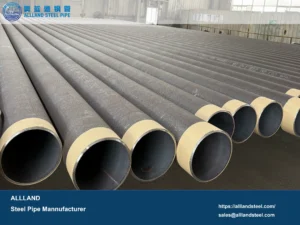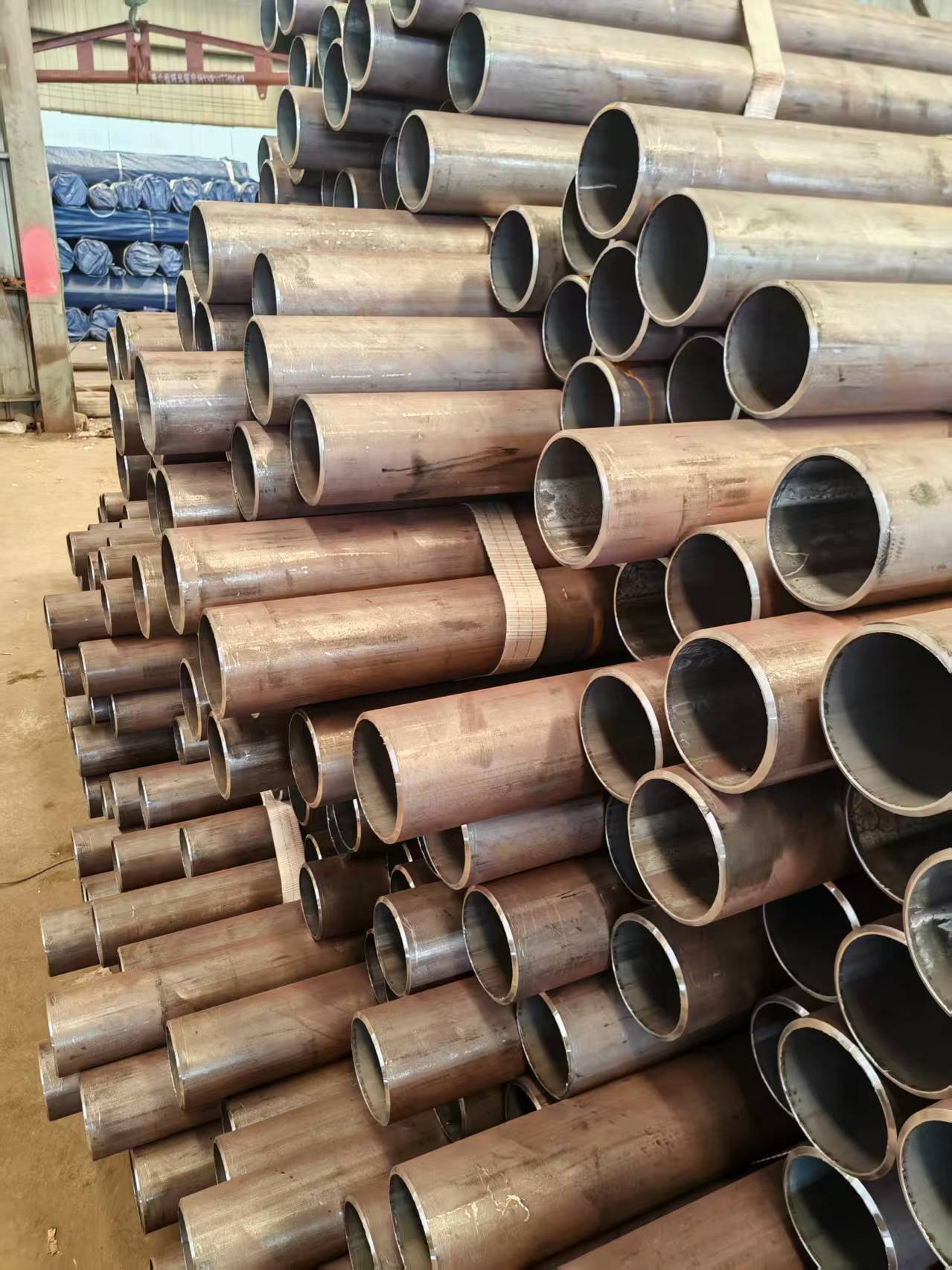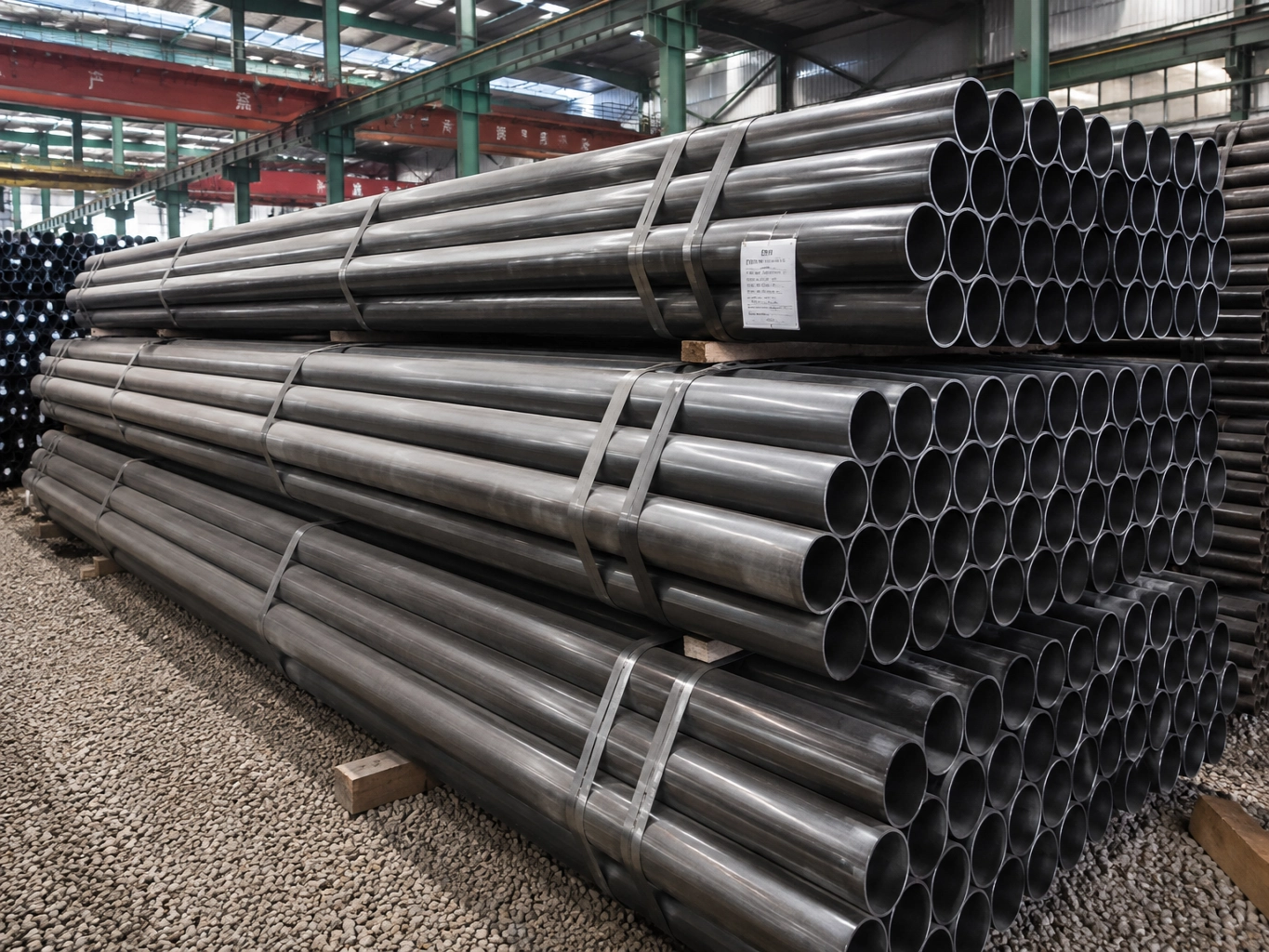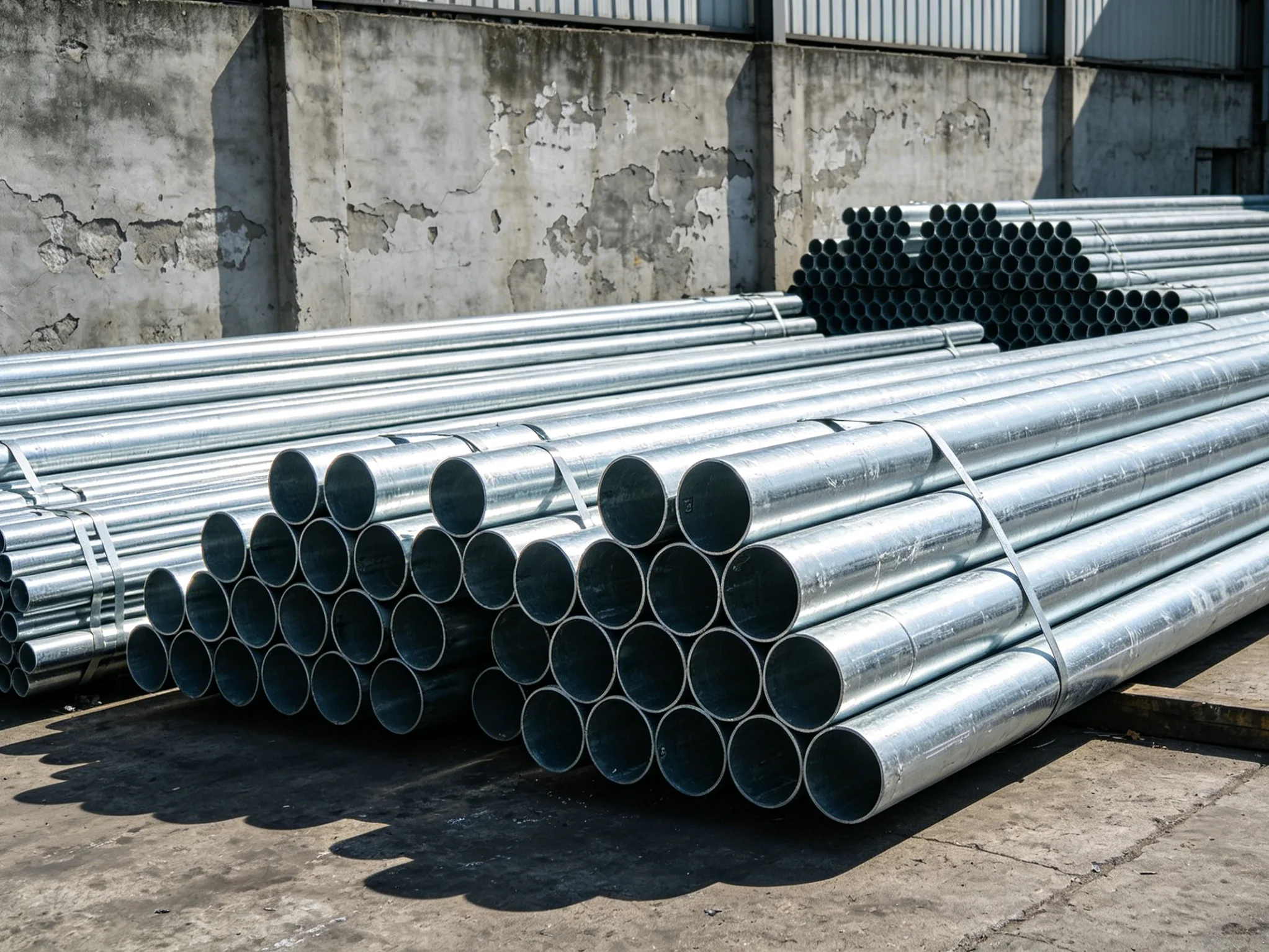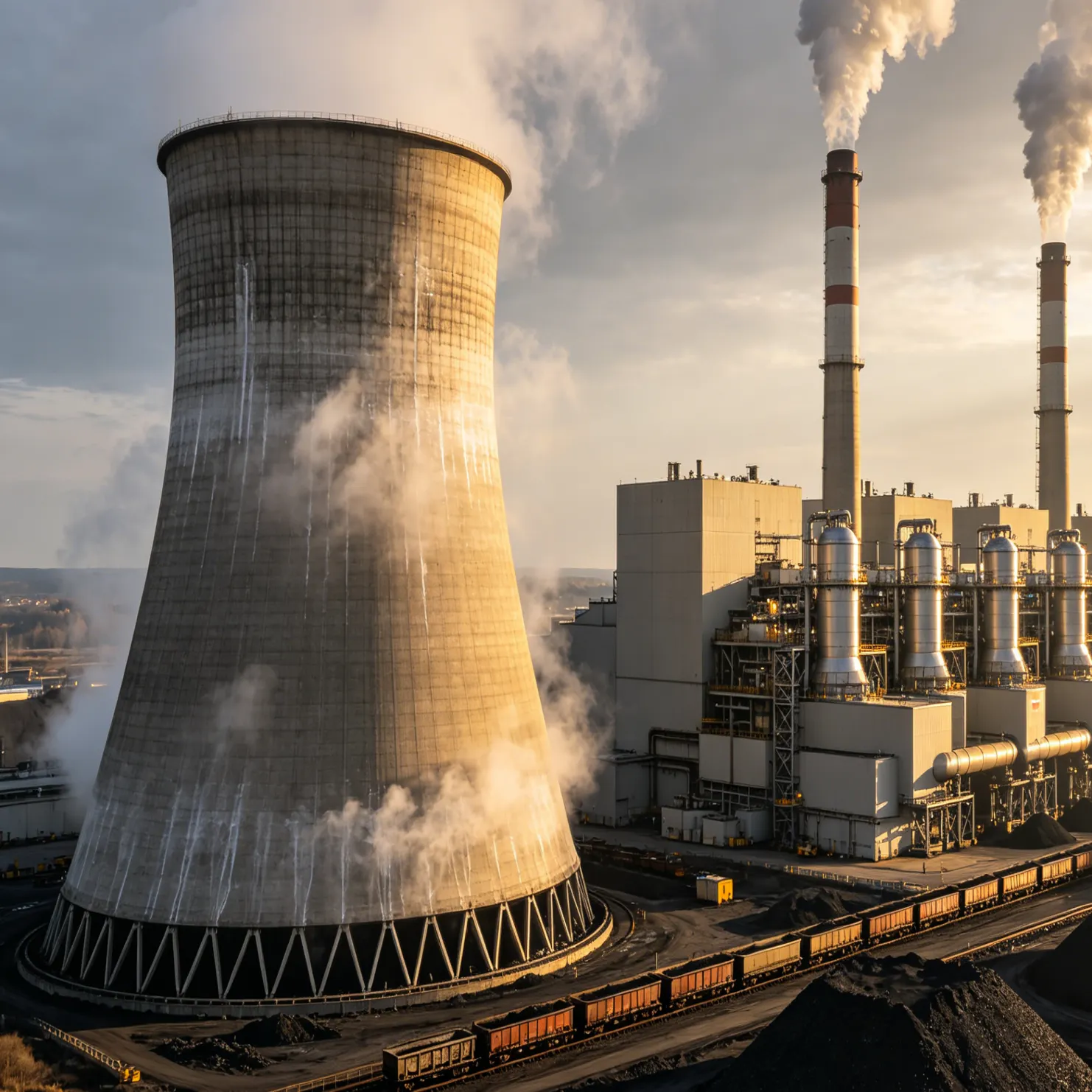

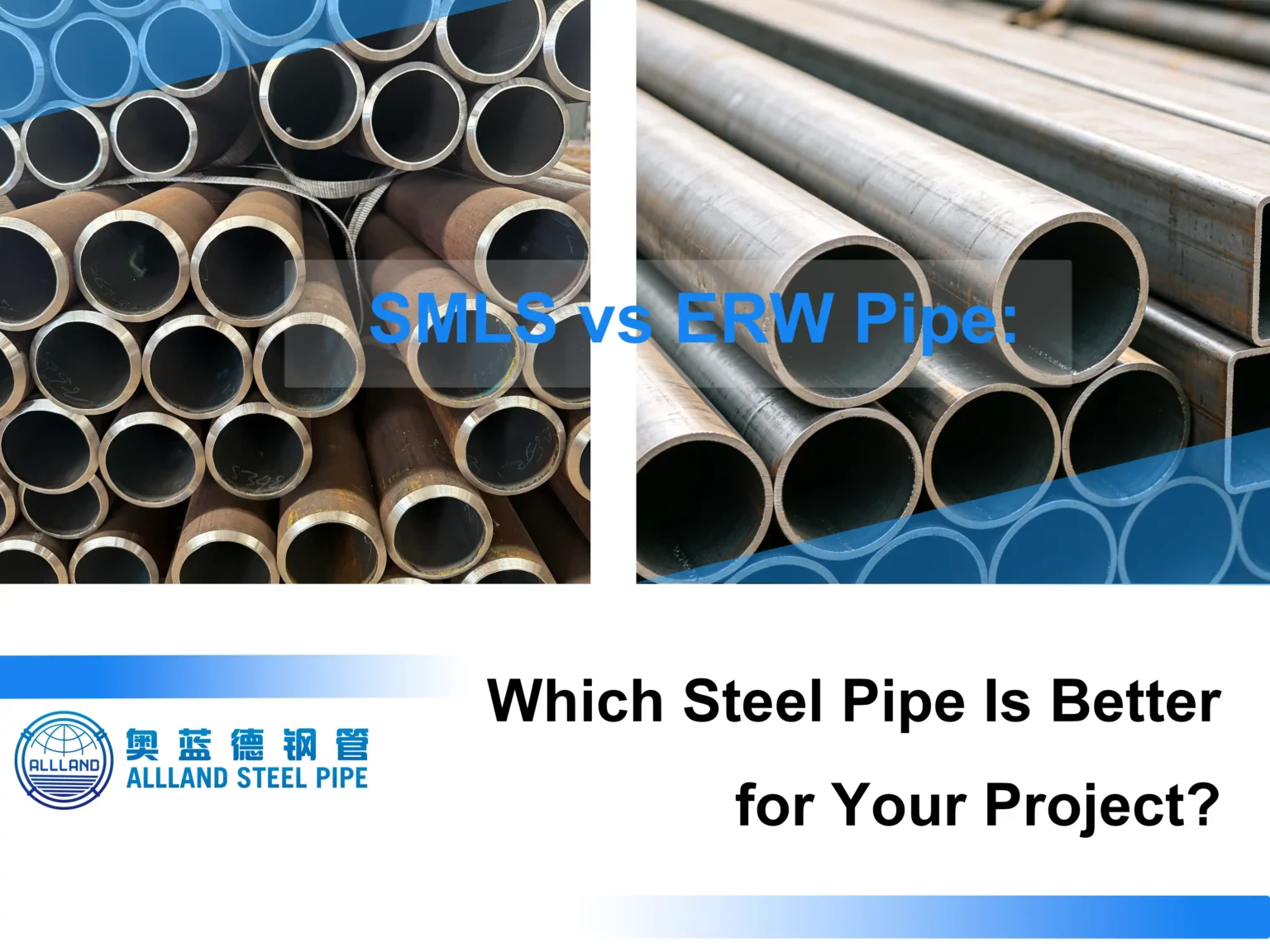
For oil and gas transmission, fire protection systems, water supply projects, energy projects, and industrial pipeline construction, the choice of steel pipe directly impacts a project’s safety, service life, and overall cost. Among the many types of steel pipes, seamless steel pipes (SMLS Pipe) and electric resistance welded steel pipes (ERW Pipe) are the two most widely used products(Click the purple link to view the detailed product introduction).
So, what exactly are the differences between SMLS and ERW steel pipes? Which one is better suited to your project’s needs?
This article will provide a comprehensive comparison across multiple dimensions—including manufacturing processes, performance characteristics, cost differences, application scenarios, and selection recommendations—to help procurement professionals, engineers, and project contractors make more informed decisions.
SMLS vs ERW Pipe
| Item | SMLS Pipe | ERW Pipe |
| Full Name | SMLS full from Seamless Steel Pipe | ERW full from Electric Resistance Welded Pipe |
| Manufacturing Process | Billet Piercing & Hot Rolling | Coil Forming & High-Frequency Welding |
| Weld Seam | No | Yes |
| Outside Diameter Range | 1/8″–28″ (10.3–710 mm)- by ALLLAND | 1/2″–26″ (21.3–660 mm)– by ALLLAND |
| Wall Thickness Range | SCH 10–XXS and heavy wall available | 1.0 mm – 20.0 mm |
| Length | 5.8 m, 6 m, 12 m or custom | 5.8 m, 6 m, 12 m or custom |
| Common Standards | API 5L, ASTM A106, ASTM A53 Type S | API 5L, ASTM A53 Type E, ASTM A795 |
| Pressure Capability | Excellent | Good to Excellent |
| Dimensional Accuracy | Good | Excellent |
| Surface Finish | Relatively rough | Smooth and uniform |
| Production Efficiency | Lower | Higher |
| Cost | Higher | Lower |
| Typical Applications | Oil & Gas, Boiler, Refinery, High-Pressure Systems | Water Transmission, Fire Protection, Structural Projects |
| Main Advantage | No weld seam, suitable for critical service | Cost-effective, high production efficiency |
| Best Choice For | High-pressure and high-temperature service | General industrial and construction applications |
Quick Selection Overview
| If You Need… | Recommended Pipe |
| High Pressure Service | SMLS |
| High Temperature Service | SMLS |
| Thick Wall Pipe | SMLS |
| Oilfield Critical Applications | SMLS |
| Lowest Cost | ERW |
| Large Quantity Supply | ERW |
| Fire Sprinkler Systems | ERW |
| Water Pipelines | ERW |
| Structural Steel Projects | ERW |
What is SMLS Pipe?
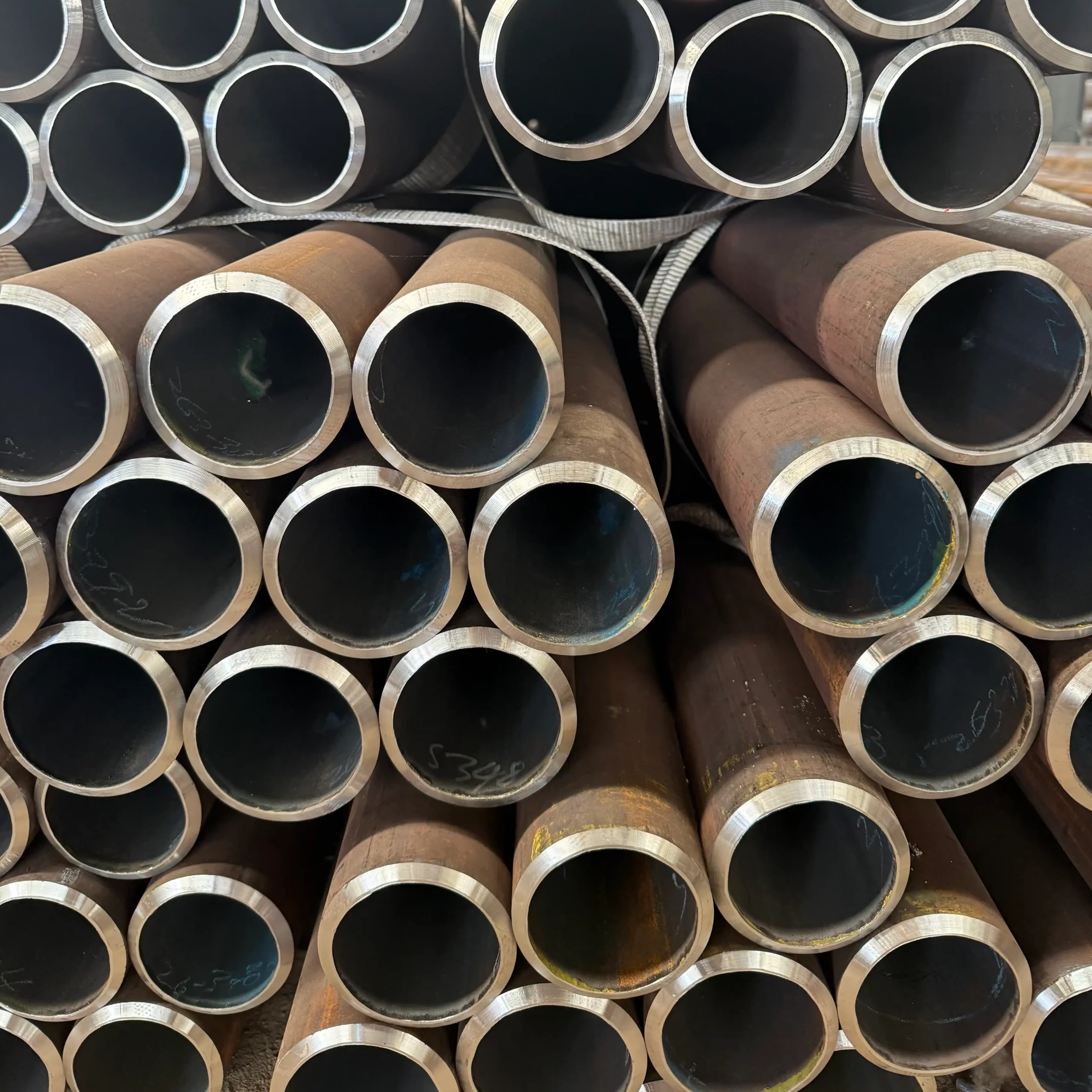
Seamless steel pipes (SMLS pipes) are steel pipe products manufactured by heating a steel billet and then subjecting it to piercing, hot rolling, or cold rolling. Their most distinctive feature is the complete absence of any weld seams throughout the entire manufacturing process, resulting in greater overall structural uniformity.
Because they lack the weaknesses associated with weld seams, SMLS pipes are better able to withstand high pressure, high temperatures, and complex stress environments, making them widely used in critical industrial systems.
Common Standards:
- API 5L (Gr. B / X42–X70)
- ASTM A106 (Gr. B / C)
- ASTM A53 Type S
- ASTM A333 (Low-Temperature Service)
- EN 10216 (European Standard for Pressure Pipes)
What is ERW Pipe?
Electric resistance welded (ERW) steel pipe is a type of steel pipe produced continuously through processes such as forming, welding, and sizing, using hot-rolled steel coils as raw material.
Its key feature is that, under the influence of high-frequency current, the edges of the steel strip are heated to a molten state and then longitudinally welded under pressure, thereby forming the steel pipe structure.
With the development of high-frequency welding (HFW) technology and in-line non-destructive testing, the weld quality of modern ERW steel pipes has improved significantly, and they are widely used in medium- and low-pressure applications and large-scale engineering projects.
Common Standards:
- API 5L PSL1 / PSL2ASTM
- A53 Type E
- ASTM A795 (Fire Pipe)
- EN 10219 (Steel Tubes for Structural Purposes)
SMLS vs ERW Pipe: Comprehensive Technical Comparison
Although both SMLS pipes and ERW pipes are widely used in industrial applications, there are significant differences between them in terms of manufacturing processes, performance, cost, and suitability. The following comparison highlights the key differences in major engineering parameters.
Manufacturing Process Comparison (Seamless vs ERW Production)
SMLS steel pipes are manufactured using a process that combines billet piercing and hot-rolling forming. The entire process is weld-free, resulting in a continuous pipe structure.
ERW steel pipes are made by forming steel coils and then subjecting them to high-frequency electric resistance welding (HFW) to create a longitudinal weld.
Key Differences:
SMLS: No weld seam (seamless structure)
ERW: Longitudinal welded structure
Mechanical Properties Comparison (Strength, HAZ & Performance)
For the same material grade (e.g., API 5L Grade B / X52 / X60), the basic mechanical properties (yield strength, tensile strength) of both are primarily determined by the steel composition and heat treatment process, rather than the forming method.
However, there are differences in terms of structural continuity, the heat-affected zone (HAZ), fatigue performance, and adaptability to extreme operating conditions.
The following analysis is based on **API 5L X52 (a common grade for oil and gas transportation)**.
All data are derived from standard documents; please refer to American Petroleum Institute .
| Property | SMLS Pipe (Seamless) | ERW Pipe (Electric Resistance Welded) |
| Standard Grade | API 5L X52 | API 5L X52 |
| Yield Strength (MPa) | 360–530 MPa | 360–530 MPa |
| Tensile Strength (MPa) | ≥460 MPa (typical 460–660 MPa) | ≥460 MPa (typical 460–660 MPa) |
| Elongation | ≥21% | ≥21% |
| Structural Continuity | 100% solid structure | Discontinuous at weld seam |
| Weld Seam | None | Longitudinal weld (HFW) |
| Heat Affected Zone (HAZ) | Not applicable | Present but controlled |
| Hydrostatic Test Pressure | Higher safety margin | Standard API requirement |
| Fatigue Resistance | Higher (no weak point) | Moderate to high |
| Impact Performance (0°C) | Excellent | Good (depends on heat treatment) |
| Pressure Suitability | High pressure / critical service | Medium to high pressure service |
| Failure Sensitivity | Lower risk under extreme stress | Slightly higher risk at weld zone |
| Typical Safety Factor | Higher | Standard API design level |
Within the same API 5L X52 grade:
✔️ 1. The strength is essentially the same.
- Yield strength and tensile strength are approximately the same
- because they depend on the steel’s composition, not the forming method
✔️ 2. The key difference is not “strength,” but “structural form”.
In conventional oil and gas transmission systems using API 5L X52 and lower grades, ERW steel pipes are already capable of meeting most engineering requirements in terms of performance.
In high-pressure, high-temperature, or critical safety-class systems, SMLS pipes still offer structural advantages.
Cost Structure Comparison (Manufacturing & Market Pricing)
Cost is one of the key factors in product selection decisions, and variations in cost primarily stem from the complexity of the manufacturing process and production efficiency.
Cost breakdown highlights:
SMLS: higher energy consumption, lower yield rate, complex process
ERW: higher efficiency, lower production cost, stable mass production
Common market price range:
ERW = baseline (100%)
SMLS = 120%–150% of ERW
Application Suitability Comparison (Engineering Use Cases)
| Application | Recommended Pipe |
| Oil & Gas Transmission | SMLS |
| Refinery & Petrochemical | SMLS |
| High Pressure Steam | SMLS |
| Fire Protection System | ERW |
| Water Supply Pipeline | ERW |
| Structural Steel Projects | ERW |
| Piling & Construction | ERW |
| Boiler System | SMLS |
ERW vs SMLS Project Case Studies
Here is a project case study from 2024 that involved the choice between ERW and SMLS pipes; let’s take a look at how the selection was made.
Project Location:
- Country: Saudi Arabia
- Ambient Temperature:
- Summer Maximum: 52°C
- Winter Minimum: 5°C
- Relative Humidity:
- 20%–60%
- Soil:
- High chloride ion content
- Corrosive Environment:
- Moderate corrosivity class
Design Conditions
- Medium: Natural Gas
- Design Pressure: 8.5 MPa
- Operating Pressure: 7.2 MPa
- Design Temperature:70℃
- Operating Temperature: 45℃
- Pipeline Length: 18 km
- Design Life: 30 Years
Option A: API 5L PSL2 X52 ERW Pipe
Option B: API 5L PSL2 X52 Seamless Pipe
Both types of steel pipe meet the following requirements:
- API 5L PSL2
- ASME B31.8
- Project design life requirements
Therefore, the procurement team needs to conduct further evaluation.
Final Selection
Project’s final choice: API 5L PSL2 X52 ERW Pipe.
Key justifications:
1. Both Options Met Design Requirements
Both pipe types meet the requirements for pressure, temperature, and service life; there is no mandatory requirement to use seamless pipe.
2. Lower Project Cost
The ERW option reduces pipe procurement costs by approximately 21%.
3. Faster Delivery
ERW delivery lead time: 5 weeks
Seamless delivery lead time: 11 weeks
4. Proven Reliability
The ERW pipe utilizes high-frequency welding (HFW), in-line ultrasonic testing, and hydrostatic testing, meeting the project’s quality requirements.
Can ERW Pipe Replace Seamless Pipe? Application Limits and Engineering Conditions
In modern steel pipe applications, ERW steel pipes have become a viable partial substitute for seamless steel pipes in many engineering fields, particularly under the API 5L PSL 2 grading system.
However, whether they can serve as a substitute depends on the specific operating conditions:
✓ Suitable Applications
- Low- and medium-pressure distribution systems
- Fire protection and water supply projects
- General structural and building applications
- Large-scale industrial projects
✗ Situations Where Substitution Is Not Recommended
- High-pressure oil and gas transmission trunk lines
- High-temperature, high-pressure boiler systems
- Extreme low-temperature or corrosive environments
- Critical equipment requiring a high safety rating
ERW cannot fully replace SMLS, but it can replace it in many standard industrial applications where cost efficiency is a priority.
Engineering Selection Guide: SMLS vs ERW Pipe
The decision between SMLS and ERW steel pipes should be based on a comprehensive assessment of the project’s pressure rating, safety requirements, and cost control.
Recommended for SMLS Pipe
- High-pressure and high-temperature service conditions
- Critical oil & gas transmission systems
- High safety class applications
- Heavy wall thickness requirements
- Extreme service environments
Recommended for ERW Pipe
- Cost-optimized bulk procurement projects
- Medium to low-pressure service conditions
- Fire protection and water distribution systems
- Structural and general construction applications
- Large-scale industrial projects
Conclusion
When selecting SMLS and ERW steel pipes (seamless steel pipes and ERW steel pipes), the key to a project’s success lies not only in the products themselves, but also in choosing a manufacturer with stable supply capabilities and the ability to comply with international standards.
As a professional steel pipe manufacturer, ALLLAND Steel Pipe offers comprehensive piping solutions, including:
- Seamless Steel Pipes (SMLS)
- Electric Resistance Welded Steel Pipes (ERW)
- API 5L Oil Line Pipe (PSL1 / PSL2)
- ASTM / EN Standard Industrial Pipe
- Corrosion Protection Coating Services (3LPE / FBE / Galvanized)