
Introduction
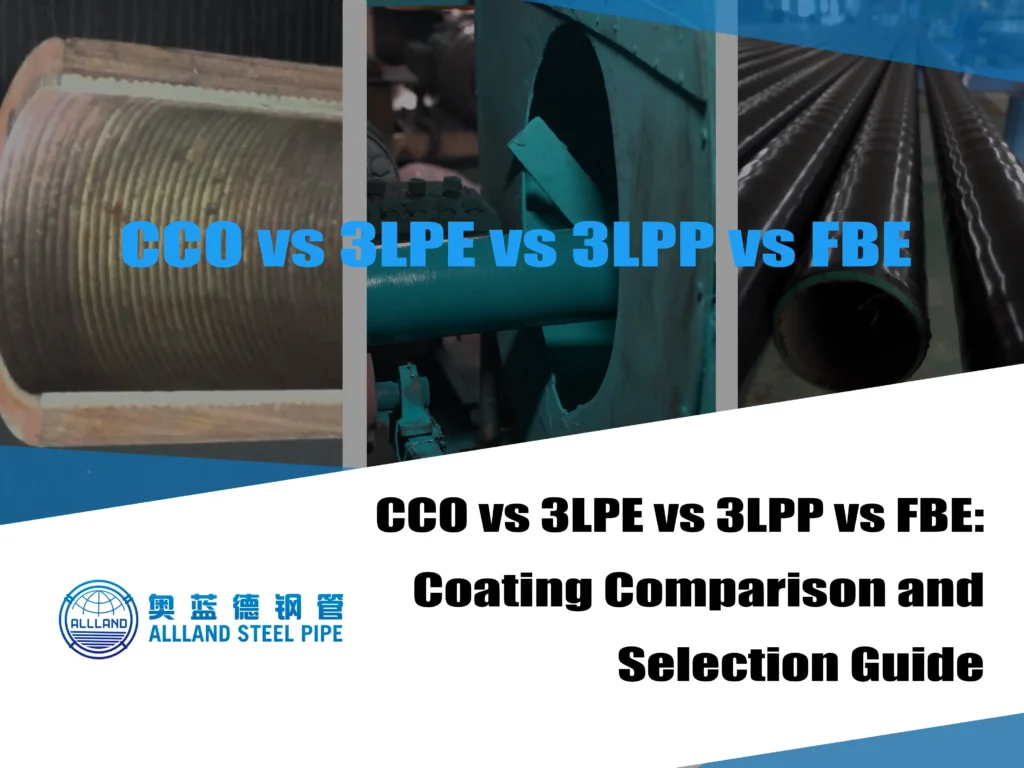
CCO, 3LPE, 3LPP, and FBE serve different protection requirements in industrial applications. CCO focuses on abrasion and wear resistance, while 3LPE, 3LPP, and FBE primarily provide corrosion protection for steel pipelines.
Understanding their differences in coating structure, thickness, operating temperature, and application helps engineers and buyers select a suitable system for their projects.
How the Coating Systems Work
CCO — Chromium Carbide Overlay
Severe Abrasion and Wear Protection
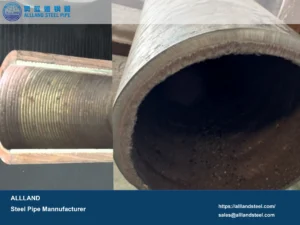
CCO is a chromium-carbide-rich hardfacing overlay applied to a steel substrate. It provides high resistance to abrasive wear in mining equipment, slurry-handling components, chutes, hoppers, and bulk material processing systems.
3LPE — Three-Layer Polyethylene
General-Purpose Pipeline Protection
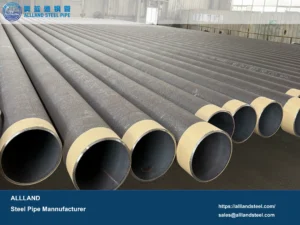
3LPE combines an FBE primer, copolymer adhesive, and polyethylene outer layer. It provides corrosion protection, impact resistance, and durability for buried oil and gas transmission pipelines.
3LPP — Three-Layer Polypropylene
Higher-Temperature Pipeline Protection
3LPP consists of an FBE primer, copolymer adhesive, and polypropylene outer layer. It generally offers better temperature resistance than 3LPE and is used in demanding onshore and offshore pipeline applications.
FBE — Fusion-Bonded Epoxy
Adhesion and Corrosion Protection
FBE is a thermosetting epoxy powder coating applied to a properly prepared, heated steel surface. It provides corrosion protection as a standalone coating and serves as the primer layer in 3LPE and 3LPP systems.
CCO vs 3LPE vs 3LPP vs FBE: Key Differences
Compare the four systems by their primary function, composition, thickness, protective performance, and typical applications.
| Property | CCO | 3LPE | 3LPP | FBE |
| Full name | Chromium Carbide Overlay | Three-Layer Polyethylene | Three-Layer Polypropylene | Fusion-Bonded Epoxy |
| Primary function | Abrasion and wear resistance | External corrosion protection | Corrosion protection for higher-temperature service | Corrosion protection |
| Composition | Chromium-carbide-rich hardfacing on a steel substrate | Epoxy + adhesive + PE | Epoxy + adhesive + PP | Thermosetting epoxy |
| Typical thickness | 3–12 mm overlay | 2.0–3.5 mm total | 2.5–4.0 mm total | 350–500 μm |
| Abrasion resistance | Excellent | Good | Good to very good | Limited compared with CCO |
| Impact resistance | Depends on overlay design and impact conditions | Good | Good | Depends on coating formulation and thickness |
| Corrosion protection | Not a substitute for a qualified pipeline anti-corrosion system | Excellent | Excellent | Excellent when properly specified |
| Typical applications | Wear plates, chutes, hoppers, slurry-handling equipment | Buried oil and gas pipelines | Higher-temperature oil and gas pipelines | Pipeline exteriors, internal linings, or primer layers, as specified |
Note: Thickness values are typical reference ranges, not universal standard requirements. CCO thickness refers to the overlay layer; 3LPE and 3LPP refer to total coating thickness; FBE refers to dry film thickness. Actual values depend on the applicable standard, coating system, and project specifications.
Performance Comparison: What Matters Most?
Abrasion and Mechanical Resistance
CCO is designed for severe abrasive wear. 3LPE and 3LPP provide mechanical protection alongside corrosion resistance, while FBE performance depends on its formulation, thickness, and service conditions.
Corrosion Protection
3LPE, 3LPP, and FBE are established pipeline corrosion protection systems. CCO primarily addresses wear and should not be treated as a direct replacement for conventional pipeline anti-corrosion coatings.
Operating Temperature
3LPP generally offers better temperature resistance than 3LPE. FBE temperature limits vary by formulation, so verify the manufacturer’s technical data and applicable project requirements.
Applications: Which Coating Is Suitable for Your Project?
The right coating system depends on the pipeline’s operating temperature, exposure environment, and primary risk, whether corrosion, mechanical damage, or abrasive wear. CCO, 3LPE, 3LPP, and FBE serve different purposes and should be selected according to project-specific requirements.
Buried Oil and Gas Transmission Pipelines
3LPE and 3LPP are widely used for external corrosion protection of buried oil and gas pipelines. Their multilayer structures combine an epoxy primer, adhesive layer, and polymer outer layer to provide corrosion resistance and mechanical protection during handling, installation, and service.
The main differences are:
- 3LPE:Suitable for general buried pipeline applications.
- 3LPP:Preferred for higher operating temperatures or demanding mechanical conditions.
- FBE:An alternative when its protective performance meets project requirements.
High-Temperature Pipeline Applications
For pipelines operating at elevated temperatures, 3LPP is often considered because polypropylene generally offers better thermal resistance than polyethylene. Its suitability depends on the coating formulation, specified operating temperature, and project requirements.
| Coating | Key consideration |
| 3LPP | Generally offers better temperature resistance than 3LPE. |
| FBE | Verify the formulation’s temperature rating against operating conditions and applicable standards. |
Abrasive Slurry and Bulk Material Handling
CCO (Chromium Carbide Overlay) is designed primarily for severe abrasive wear rather than conventional pipeline corrosion protection. Its chromium-carbide-rich hardfacing layer provides high resistance to sliding abrasion in applications such as mining equipment, slurry-handling components, chutes, hoppers, and material transfer systems.
For abrasive slurry applications, consider three key factors:
- Particle characteristics: Size and hardness of the solids.
- Operating conditions: Flow velocity and solids concentration.
- Wear severity: The degree of abrasion and impact.
CCO may suit specific wear-prone components or specially designed pipe linings. It does not directly replace 3LPE, 3LPP, or FBE for conventional external pipeline corrosion protection.
Internal and External Pipeline Protection
Coating selection depends on the protection required and the pipeline’s operating conditions.
- External corrosion protection:3LPE, 3LPP, and FBE protect steel pipes against external corrosion when specified for the application.
- Internal corrosion protection:FBE or other suitable linings depend on fluid chemistry and operating temperature.
- Internal abrasion protection:CCO or other wear-resistant linings may be suitable for severe abrasive service, subject to application requirements.
Before selection, confirm the coating specifications, operating conditions, and inspection requirements.
FAQ
What Is the Main Difference Between CCO and 3LPE?
CCO primarily protects against abrasive wear, while 3LPE provides external corrosion protection and mechanical protection for steel pipelines.
Is 3LPP Better Than 3LPE for High-Temperature Pipelines?
3LPP generally offers better temperature resistance. The final choice depends on the operating temperature, coating grade, and project specifications.
Is FBE Suitable for Buried Steel Pipelines?
Yes. External FBE can be used for buried steel pipelines when the coating system meets the required corrosion protection, mechanical performance, and project specifications.