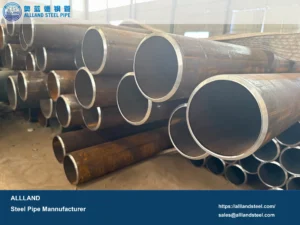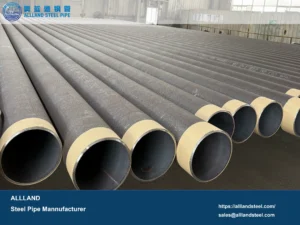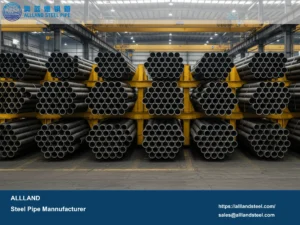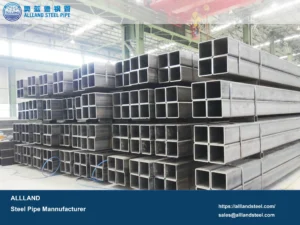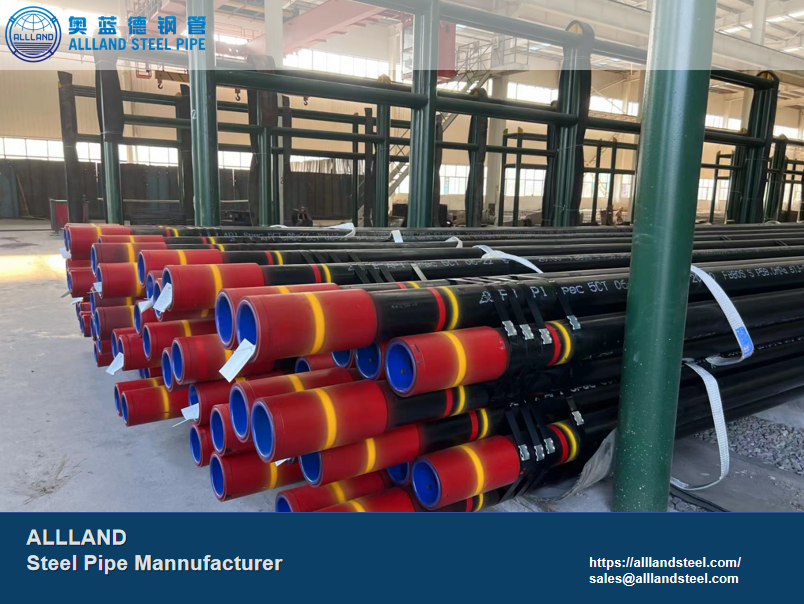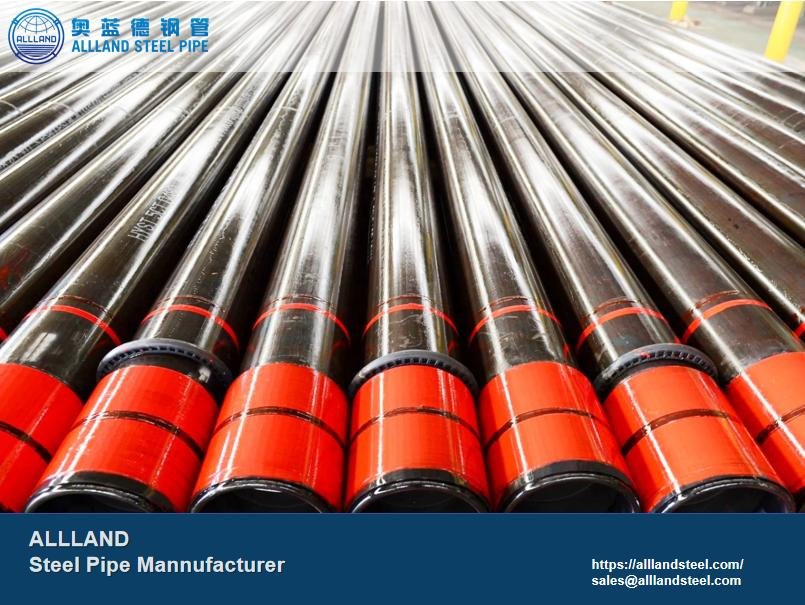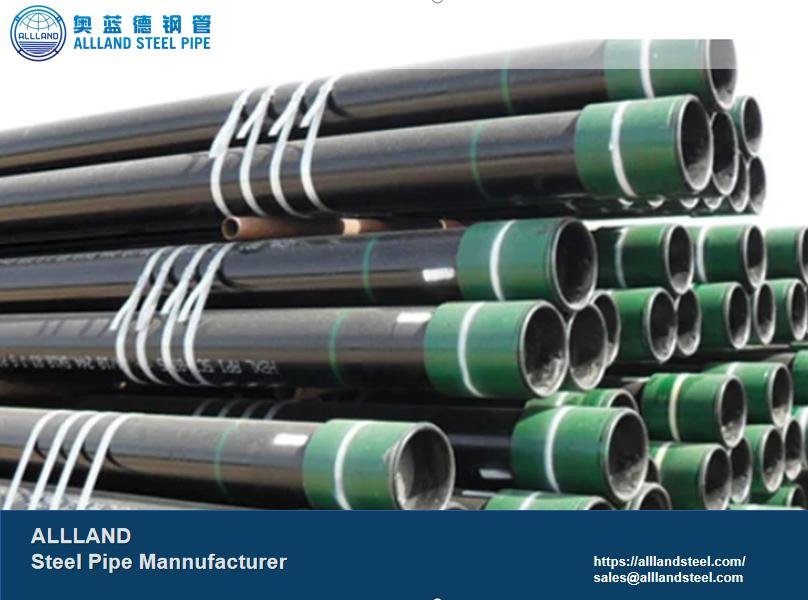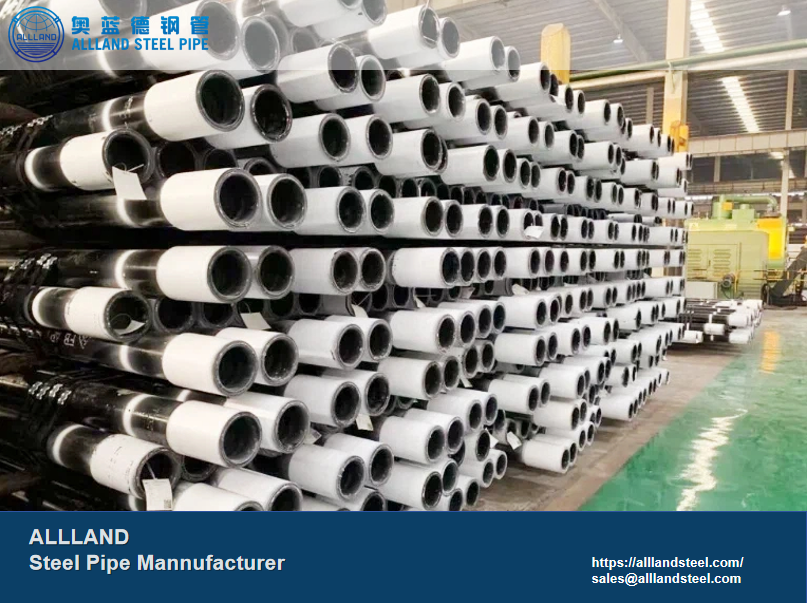


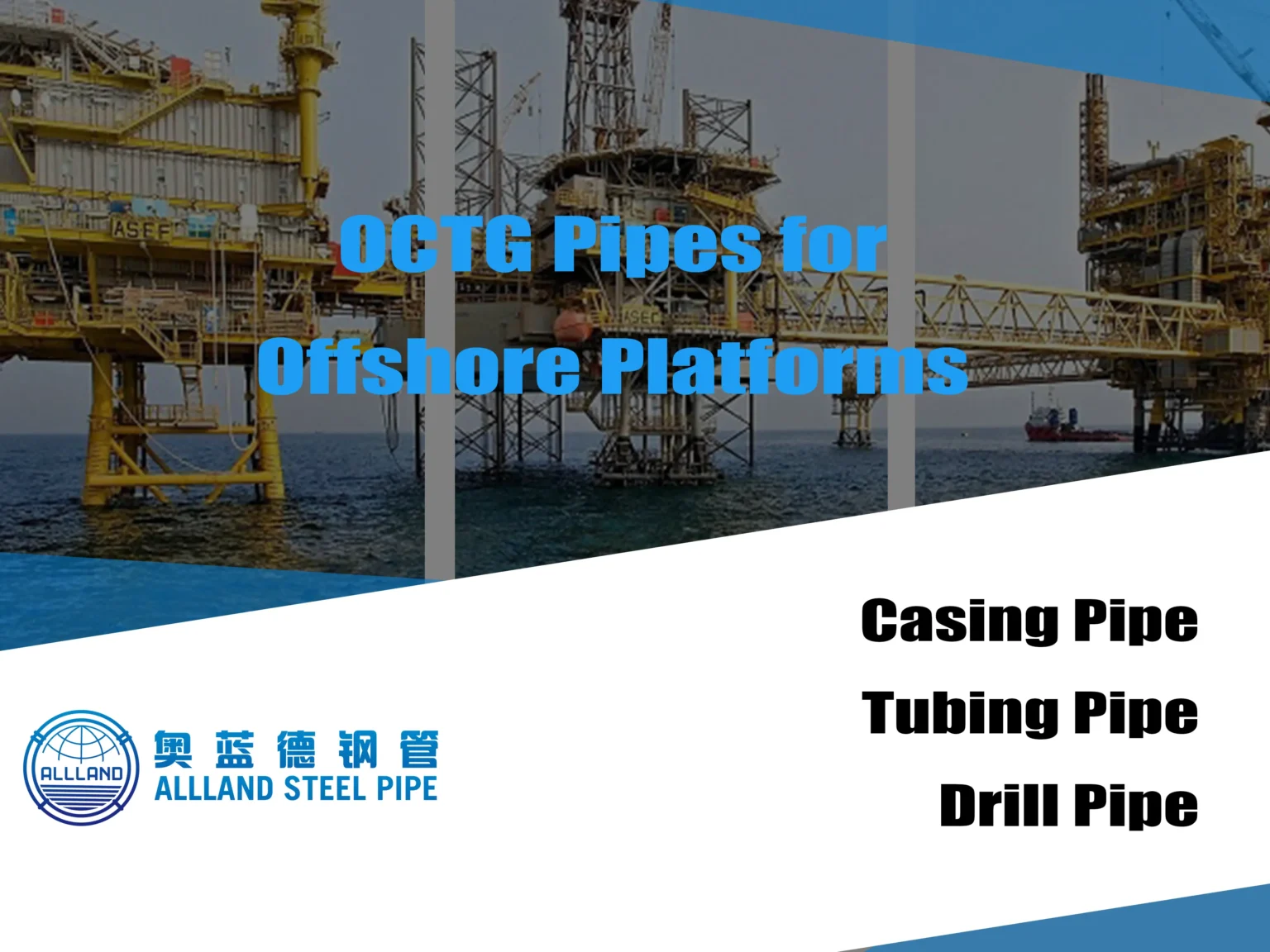
OCTG Pipes for Offshore Platforms refer to Oil Country Tubular Goods (OCTG) used in offshore oil and gas platforms. These steel pipes are specifically designed for offshore drilling, completion, and oil and gas production processes, and primarily include casing, tubing, and drill pipe.
Given that offshore platforms are characterized by highly corrosive environments, high pressure, deep wells, high temperatures, and complex marine conditions, OCTG pipes must possess high strength, high toughness, and excellent corrosion resistance.
What Are OCTG Pipes for Offshore Platforms?
OCTG pipes are seamless or welded steel tubular products used in offshore oil and gas exploration and production.
In offshore platforms, OCTG pipes are mainly used for:
- Supporting the wellbore (Wellbore Support)
- Preventing well collapse (Prevent Well Collapse)
- Transporting crude oil and natural gas (Hydrocarbon Production)
- Withstanding high-pressure and high-temperature environments (High
- Pressure & High Temperature Service)
Typical Application Locations:
Offshore Platform → Subsea Wellhead → Casing → Tubing → Oil & Gas Reservoir
Types of OCTG Pipes Used in Offshore Platforms
Casing Pipe
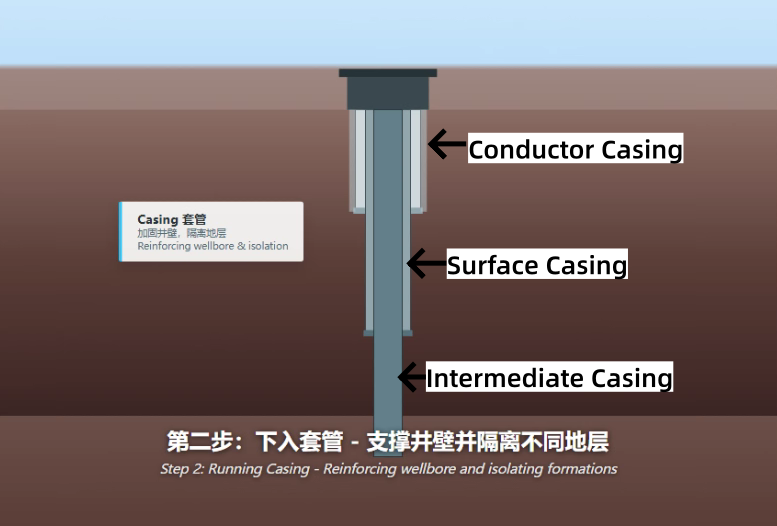
Casing is one of the most important OCTG products in offshore drilling.
It is installed during the drilling process and is used for:
- Fixing and supporting the wellbore structure
- Isolating different geological formations
- Preventing wellbore collapse
- Protecting underground water layers
Common casing types include:
| Casing Type | Main Function |
| Surface Casing | Supports shallow formations and helps protect freshwater zones |
| Intermediate Casing | Isolates unstable or high-pressure formations |
| Production Casing | Provides a stable barrier around the production zone |
More detailed information about OCTG Casing can be found here:OCTG Casing Pipe Specification
Information about the different layers of casing pipe can be found here:OCTG Pipe Structure
Tubing Pipe
OCTG Tubing is installed inside the production casing and provides the main flow path for produced oil and gas from the reservoir toward the surface.
Typical functions include:
- Transporting crude oil
- Transporting natural gas
- Carrying production fluids
- Withstanding internal pressure during production
The basic difference between casing and tubing is shown below:
| Factor | Casing | Tubing |
|---|---|---|
| Position | Outer tubular string | Installed inside the casing |
| Main Function | Wellbore support and formation isolation | Hydrocarbon production |
| Typical Diameter | Larger | Smaller |
| Main Load Consideration | External pressure and axial load | Internal pressure and axial load |
Drill Pipe
Drill pipe is primarily used during offshore drilling operations rather than long-term production.
It connects the surface drilling system to the drill bit and helps transmit mechanical energy and drilling fluid.
Offshore OCTG Pipe Requirements
Due to harsh offshore environments, OCTG pipes need to meet higher performance requirements:
OCTG pipes must have sufficient mechanical strength to withstand high loads, pressure, and complex offshore drilling conditions.
Depending on the service conditions, corrosion-resistant materials may include:
- L80-13Cr
- Super 13Cr
- CRA (Corrosion Resistant Alloy)
Additional corrosion protection measures include:
- Internal coating
- External anti-corrosion coating
Some offshore wells are classified as HPHT wells (High Pressure High Temperature wells), which require OCTG products to maintain reliable mechanical performance under extreme pressure and temperature conditions.
Common Standards for Offshore OCTG Pipes
Several international standards may be relevant to offshore OCTG products.
| Standard | Main Application |
| API 5CT | Casing and tubing |
| API 5DP | Drill pipe |
| ISO 13679 | Testing of casing and tubing connections |
| NACE MR0175 / ISO 15156 | Materials for H₂S-containing environments |
Common OCTG Grades for Offshore Applications
| Grade | Typical Application |
| J55 | Low-to-moderate service |
| K55 | General casing applications |
| N80 | Higher-strength casing/tubing |
| L80 | Corrosive and sour-service applications |
| P110 | High-strength and deep wells |
| Q125 | High-strength demanding applications |
API 5CT L80
L80 is commonly used where controlled mechanical properties and specific service requirements are needed.
Certain L80 product types can be used for sour-service applications when the applicable requirements are met. The exact material selection should consider the relevant specification, environment, and NACE/ISO requirements.
Grade: L80
Product: Casing / Tubing
Minimum Yield Strength: 80 ksi (552 MPa)
Maximum Yield Strength: 95 ksi (655 MPa)
Minimum Tensile Strength: 95 ksi (655 MPa)
Main Types: L80 Type 1, L80 9Cr, L80 13Cr
Sour Service: Applicable to certain product types when specified requirements are satisfied
Key Standard: API 5CT
Sour-Service Reference: NACE MR0175 / ISO 15156
Main Selection Factors: Pressure, temperature, H₂S, CO₂, chloride, hardness, stress and corrosion conditions
API 5CT P110
P110 provides higher yield strength than many conventional OCTG grades and can be used for demanding casing and tubing applications.
It is commonly considered for deeper wells and applications where higher mechanical strength is required.
API 5CT Q125
Q125 is a high-strength OCTG grade designed for demanding well conditions.
Its application requires careful consideration of well pressure, temperature, loading conditions, connection performance, and applicable technical requirements.
Offshore OCTG Pipes vs Onshore OCTG Pipes
| Factor | Offshore | Onshore |
| Environment | Marine environment | Land environment |
| Corrosion Risk | Higher | Generally lower |
| Logistics | More complex | Relatively easier |
| Inspection | More demanding | Project dependent |
| Connection Requirements | Often demanding | Project dependent |
| Cost of Failure | Very high | Project dependent |
The difference does not mean that every offshore OCTG product must use a higher grade than an onshore product. Instead, well conditions and engineering requirements should determine the appropriate material, dimensions, and connection.
FAQ
What are OCTG pipes used for offshore platforms?
OCTG pipes are used for offshore drilling, well construction, completion, and oil and gas production. The main products are casing, tubing, and drill pipe.
What is the difference between offshore casing and tubing?
Casing is installed as a larger outer tubular string to support the wellbore and isolate formations. Tubing is installed inside the casing and is primarily used to transport oil and gas to the surface.
What API standard is used for offshore casing and tubing?
API 5CT is the primary API specification for casing and tubing. Additional standards may apply depending on the connection, service environment, and project requirements.
Conclusion
OCTG Pipes for Offshore Platforms are essential tubular products for offshore drilling and oil and gas production. Casing, tubing, and drill pipe perform different but interconnected functions throughout the well construction and production process.
For offshore projects, selecting OCTG based on the actual well conditions and project specifications is essential for achieving reliable well integrity and long-term operational performance.
Our offshore steel pipe products are manufactured in accordance with API Specification 2B, a specification specifically developed for fabricated steel pipe used in offshore structures. API 2B covers requirements for the manufacture, testing, inspection, and qualification of large-diameter steel pipe intended for applications such as offshore platforms, jackets, piles, and other marine structures.