ALLLAND JIS G3444 STK490 Pipe Supply

JIS G3444 STK490

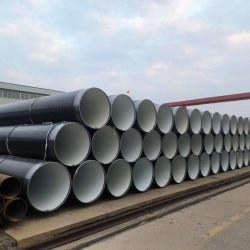
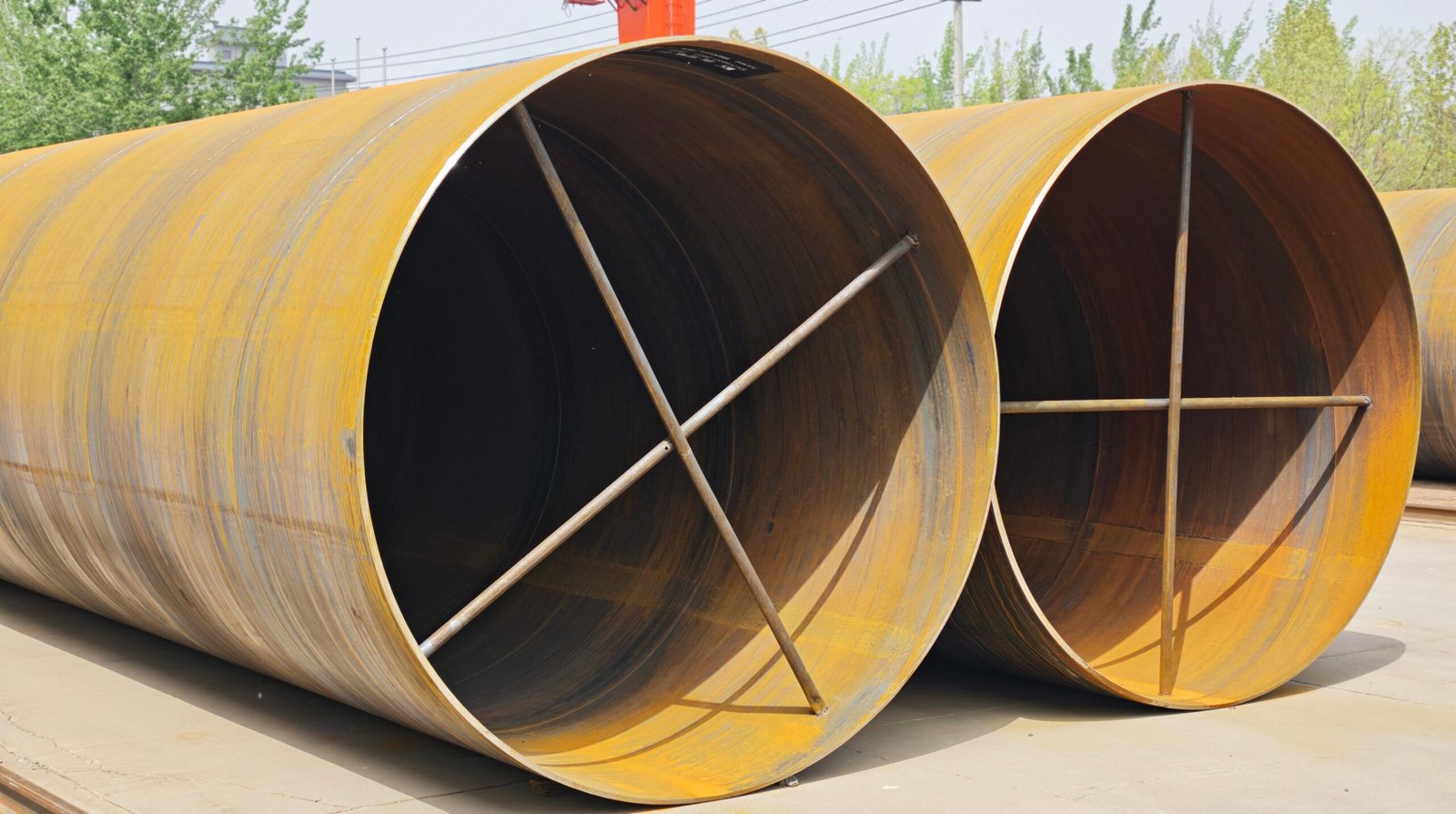
JIS G3444 STK490 is a high-strength carbon steel pipe grade specified in the Japanese Industrial Standard JIS G3444 – Carbon Steel Tubes for General Structural Purposes. Compared with standard structural steel grades such as STK400, STK490 offers higher tensile strength and load-bearing capacity, making it suitable for demanding structural applications. As a professional steel pipe manufacturer, ALLLAND Steel supplies JIS G3444 STK490 structural steel pipes in various sizes, wall thicknesses, and surface treatments, with strict quality control throughout production to meet international project requirements.

Alllandsteel is a steel pipe manufacturer based in China with 25 years of experience

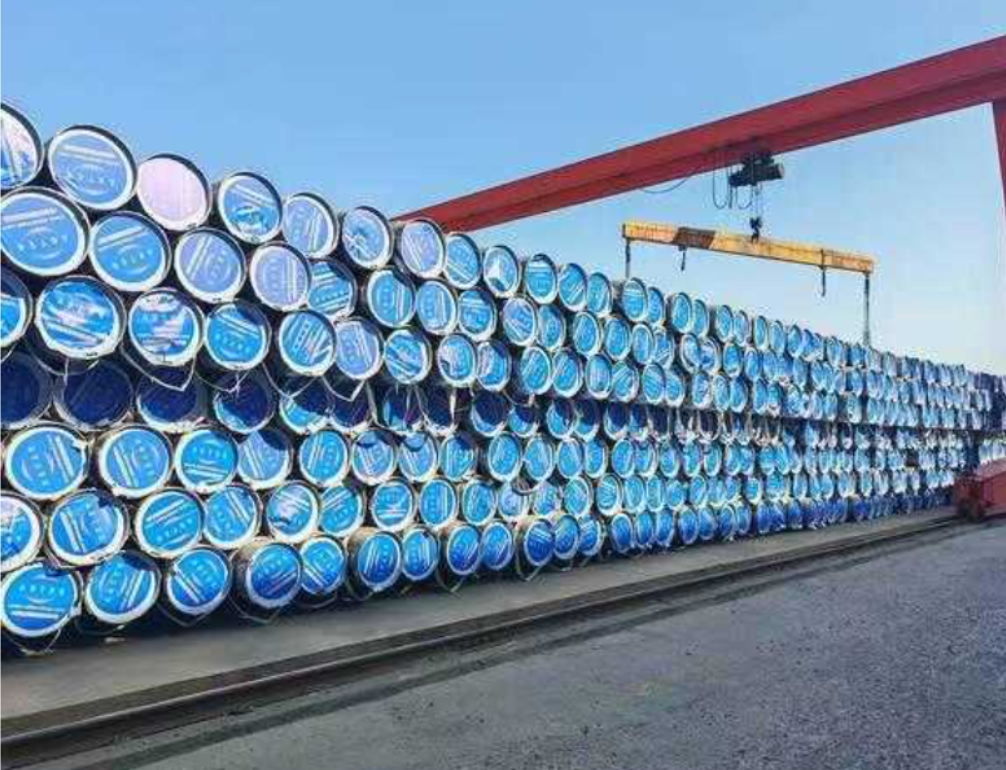
The facility spans 22,000 square meters, represents a RMB 700 million investment, and operates four production lines (JCOE, ERW, SMLS, SSAW) alongside five coating lines. 

With an annual production capacity of 250,000 tons, the factory covers specifications ranging from Ø406 to Ø1524 and holds multiple international certifications (API/ASTM/EN/ISO/JIS). Focused on steel pipes, creating value for you!

adnoc SOUR SERVICE PIPE

JIS G3444 STK490 is a high-strength carbon structural steel pipe primarily designed to withstand structural loads rather than transport fluids. Established under the Japanese Industrial Standards (JIS) system, the standard is titled “Carbon Steel Tubes for General Structural Purposes.” It sets forth unified technical requirements covering the entire process from production to delivery—including chemical composition, mechanical properties, manufacturing processes, dimensions and tolerances, inspection methods, product marking, and delivery specifications—to ensure consistent product quality.
STK490 is a widely used high-strength grade within the JIS G3444 standard; featuring a minimum tensile strength of 490 MPa, it offers high load-bearing capacity and excellent overall mechanical properties. It is extensively utilized in large-scale steel construction projects, such as high-rise buildings, bridges, industrial plants, power transmission towers, sports stadiums, and machinery frameworks.

JIS G3444 STK490 Pipe Specifications

O.D.:

21.7 mm – 508.0 mm

W.T.:

2.0 mm – 22.0 mm

Length:

4 m – 12 m (Custom Length Available)

Process:

ERW (Electric Resistance Welded), Seamless

Tube Ends:

Plain End, Beveled End, Threaded End (Upon Request)

Heat Treatment:

 As Welded / Heat Treatment According to Customer Requirements     

JIS G3444 STK490 Features

Compared with conventional structural steel tubes such as STK400 and ASTM A500 Grade B, JIS G3444 STK490 provides approximately 20–40% higher strength, enabling lighter, stronger, and more efficient structural designs.
STK490 has a minimum tensile strength of 490 MPa, which is significantly higher than STK400 (400 MPa) and common structural steel tubes.
Manufactured under JIS G3444 requirements, STK490 provides reliable outside diameter and wall thickness control.

Performance of the JIS G3444 STK490 Steel Pipe

JIS G3444 STK490 is a high-strength structural steel tube specifically developed for load-bearing applications. Unlike pipeline standards such as API 5L or ASTM A53, which focus on fluid transportation, STK490 emphasizes structural strength, weldability, dimensional accuracy, and fabrication performance.

Chemical Composition JIS G3444 STK490

ElementTypical Range (%)
Carbon (C)0.16–0.22
Silicon (Si)0.15–0.35
Manganese (Mn)0.60–1.50
Phosphorus (P)≤0.035
Sulfur (S)≤0.035

Typical mill chemistry based on commercially produced JIS G3444 STK490 steel tubes from Japanese and international manufacturers. The JIS G3444 standard specifies compliance with required mechanical properties rather than prescribing a single mandatory chemical composition for STK490.

Chemical Composition JIS G3444 STK490

PropertyRequirement
Tensile Strength≥490 MPa
Yield Strength*≥325 MPa
Elongation≥23%

The key difference of STK490 is its higher strength level compared with conventional structural tubes, making it suitable for heavy-duty steel structures, bridges, towers, and industrial facilities.

Manufacturing Process of JIS G3444 STK490

The JIS G3444 STK490 standard specifies requirements regarding manufacturing methods, weld quality, heat treatment, and surface conditions for steel pipes; these requirements are detailed below.

Manufacturing Methods

Electric Resistance Welding (ERW): This is a common process in which hot-rolled steel strip is formed and then joined via high-frequency electric resistance welding to create a longitudinal seam.

Seamless Pipe: Generally used for specialized structural engineering projects, this type is manufactured through processes such as piercing and rolling, resulting in a structure without welded seams.

Although both manufacturing methods are permitted under the standard, ERW is the dominant process in the market. ERW offers high production efficiency, excellent raw material utilization, and consistent quality, making it highly suitable for structural piping.

Weld Quality Requirements

Ideally, the weld seam should match the properties of the base metal. The standard mandates that the weld must not compromise the pipe’s overall quality or performance; the weld zone should possess mechanical properties comparable to the base metal and meet the requirements for structural piping.

The standard prohibits the following defects in the weld seam:
· Cracks
· Lack of Fusion
· Burn-through
· Significant Porosity
· Harmful Slag Inclusions
· Other welding defects that compromise structural strength

Finally, the pipe must undergo mechanical testing—specifically tensile tests and flattening tests—to be certified as compliant. The JIS G3444 STK490 standard does not mandate Ultrasonic Testing (UT) or Eddy Current Testing (ECT); these requirements are determined by the procurement contract.

Heat Treatment

The JIS G3444 STK490 standard does not explicitly mandate heat treatment for the pipes. However, in practice, ERW pipes are typically supplied in the as-welded condition, whereas seamless pipes undergo heat treatment as part of the manufacturing process.

Customers may request specific heat treatments—such as stress-relief annealing, normalizing, or full annealing—to enhance the pipe’s stability.

Surface Requirements

JIS G3444 STK490 explicitly states that the pipe surface must be smooth and uniform, and free from defects that would impair its functional performance. The surface of the steel pipe must be free from:

  • Cracks
  • Folds
  • Laminations
  • Deep scratches
  • Surface defects that compromise structural integrity

Minor rolling marks or oxidation are acceptable, provided they do not affect the pipe’s intended use.

JIS G3444 STK490 Steel Pipe Dimension

There are no mandatory size specifications; however, the table below lists commonly used sizes for your reference.

Outside Diameter (OD) mm Wall Thickness (WT) mm Approx. Weight (kg/m)
21.7 2.0 1.00
21.7 2.3 1.14
27.2 2.3 1.47
27.2 2.8 1.76
34.0 2.3 1.86
34.0 3.2 2.54
42.7 2.3 2.29
42.7 3.2 3.09
48.6 2.3 2.63
48.6 3.2 3.56
60.5 2.8 4.02
60.5 3.8 5.36
60.5 5.0 6.93
76.3 3.2 5.67
76.3 4.5 7.91
76.3 6.0 10.35
89.1 3.2 6.64
89.1 4.5 9.14
89.1 6.0 12.04
101.6 3.2 7.62
101.6 4.5 10.89
114.3 3.2 8.59
114.3 4.5 11.93
114.3 6.0 16.00
139.8 4.0 13.40
139.8 6.0 20.10
139.8 8.0 26.70
165.2 4.5 17.80
165.2 6.0 23.90
165.2 8.0 31.50
216.3 6.0 31.50
216.3 8.0 41.70
216.3 10.0 51.70
267.4 6.0 39.00
267.4 8.0 51.50
267.4 10.0 63.80
318.5 8.0 62.10
318.5 10.0 77.20
318.5 12.0 92.00
355.6 8.0 69.50
355.6 10.0 86.70
355.6 12.0 103.60
406.4 8.0 79.80
406.4 10.0 99.30
406.4 12.0 118.70
457.2 10.0 112.00
457.2 12.0 134.00
508.0 10.0 125.00
508.0 12.0 150.00
508.0 16.0 198.00

Outside Diameter Tolerance

Nominal Outside Diameter (OD)Permissible Deviation
≤48.6 mm±0.5 mm
>48.6 mm±1% × OD
Nominal wall thicknessPermissible deviation
All specifications±12.5% × WT


FAQ

1.STK490 VS ASTM A500 Grade C

ItemSTK490ASTM A500 Gr.C
CountryJapanUSA
StandardJISASTM
Yield325317
Tensile490427
ShapeRoundRound/Square
Common MarketAsiaNorth America

2. Why is STK490 widely used in Japan?

Key reasons:

① High frequency of earthquakes in Japan
Requires high ductility
High strength
② Increasing structural spans
High-rise buildings
Large stadiums
Airports
③ Japanese design standards for steel structures
Encourage the use of high-strength steel.
④ Reducing the building’s self-weight
Lowers seismic loads.

Related Products

Tell us more about your project or the product you’re interested in.

Get A Quote Now

Fill in the form below and our team will be happy to assist you