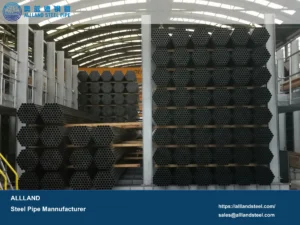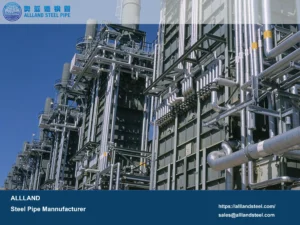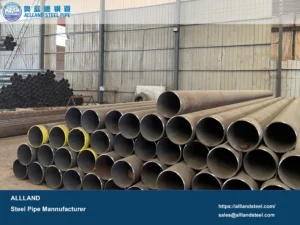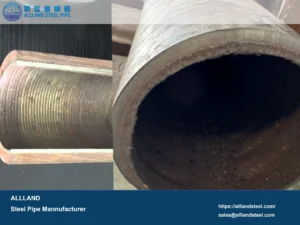

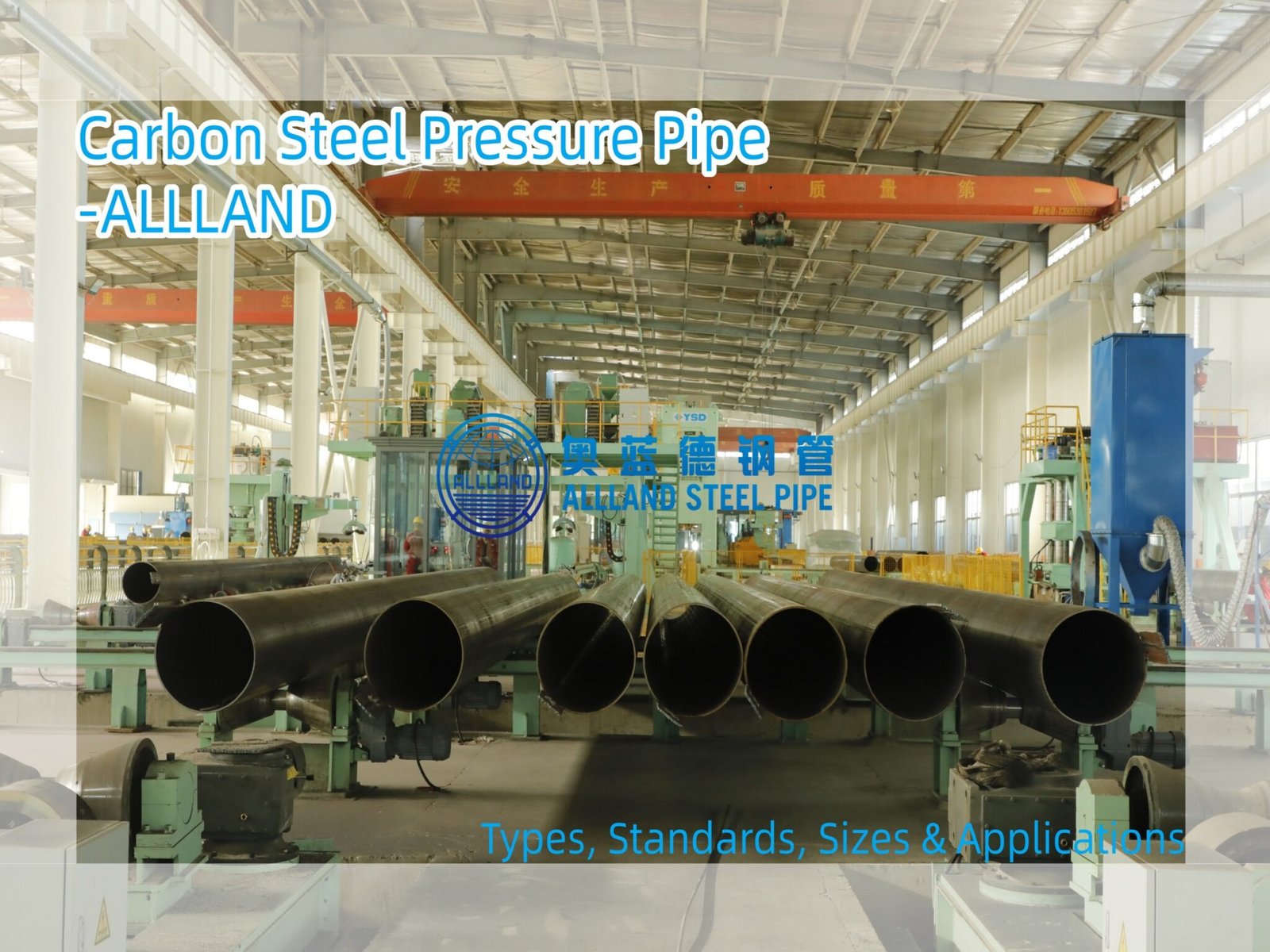
Carbon steel pressure pipes are steel pipes specifically designed for transporting liquids, gases, or steam under pressure. They are capable of withstanding internal pressure and possess excellent mechanical properties, making them widely used in the oil and gas, chemical, energy, and industrial piping industries.
Carbon Steel Pressure Pipe
Based on the manufacturing process, they can be classified as follows:
Seamless Carbon Steel Pressure Pipe
Manufactured using a piercing and hot-rolling process, these pipes have no welds and offer high pressure-bearing capacity, making them suitable for high-temperature and high-pressure environments.
Common standards:
· ASTM A106
· ASTM A53 Type S
· API 5L
· ASTM A333
Welded Carbon Steel Pressure Pipe
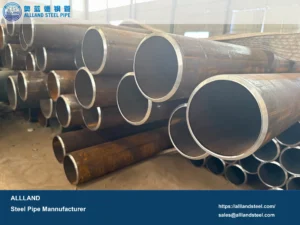
Formed by welding steel plates or coils, including ERW pipe, LSAW pipe, and SSAW pipe.
| Pipe Type | Features | Applications |
| ERW | High dimensional accuracy | Water & gas |
| LSAW | Large diameter | Oil transmission |
| SSAW | Cost-effective | Long-distance pipeline |
Welded pipes are relatively inexpensive and can be manufactured in a wide range of sizes, making them suitable for medium- and low-pressure applications.
Common Standards for Carbon Steel Pressure Pipe
There are several commonly used international standards in the field of carbon steel pressure piping.
ASTM A106 Seamless Pressure Pipe
Seamless carbon steel pressure pipes for high-temperature applications. The standard classifies these pipes into Grade A, Grade B, and Grade C.
Among these, ASTM A106 Grade B is the most common; it offers excellent pressure resistance and high-temperature performance, is typically suitable for use up to 750°F (approximately 400°C), and is widely used in refineries, power plants, and boiler systems.
| Element | Content |
| Carbon (C) | ≤0.30% |
| Manganese (Mn) | 0.29–1.06% |
| Phosphorus (P) | ≤0.035% |
| Sulfur (S) | ≤0.035% |
| Silicon (Si) | ≥0.10% |
| Property | Value |
| Tensile Strength | ≥415 MPa |
| Yield Strength | ≥240 MPa |
| Elongation | ≥20% |
ASTM A53 Pipe Carbon Steel Pressure Pipe
This standard applies to mechanical and pressure applications and includes two steel grades: Grade A and Grade B.
Applicable Product Types
· Type F (Furnace-welded)
· Type E (ERW)
· Type S (Seamless)
ASTM A53 pipe is highly versatile and cost-effective, making it the most commonly used material for fire protection and general industrial piping.
| Element | Composition (%) |
|---|---|
| Carbon (C) | ≤ 0.30 |
| Manganese (Mn) | ≤ 1.20 |
| Phosphorus (P) | ≤ 0.05 |
| Sulfur (S) | ≤ 0.045 |
| Copper (Cu)* | ≥ 0.40 (when specified) |
| Nickel (Ni)* | ≥ 0.40 (when specified) |
| Chromium (Cr)* | ≥ 0.40 (when specified) |
| Molybdenum (Mo)* | ≥ 0.15 (when specified) |
| Vanadium (V)* | ≥ 0.08 (when specified) |
| Property | Value |
|---|---|
| Tensile Strength | ≥ 415 MPa (60 ksi) |
| Yield Strength | ≥ 240 MPa (35 ksi) |
| Elongation | Varies depending on wall thickness and pipe size |
API 5L Line Pipe
API 5L is primarily used for the transportation of oil and natural gas. Common steel grades include Grade B, X42, X52, X60, X65, and
X70. API 5L line pipe offers high strength, making it particularly suitable for long-distance transportation, and exhibits good low-temperature toughness.
| Grade | C | Mn | P | S |
| Grade B | 0.28 | 1.20 | 0.030 | 0.030 |
| X42 | 0.28 | 1.30 | 0.030 | 0.030 |
| X52 | 0.28 | 1.40 | 0.030 | 0.030 |
| X60 | 0.28 | 1.40 | 0.030 | 0.030 |
| X65 | 0.28 | 1.40 | 0.030 | 0.030 |
| X70 | 0.28 | 1.40 | 0.030 | 0.030 |
| Grade | Yield Strength | Tensile Strength |
| Grade B | ≥ 245 MPa (35 ksi) | ≥ 415 MPa (60 ksi) |
| X42 | ≥ 290 MPa (42 ksi) | ≥ 415 MPa |
| X52 | ≥ 360 MPa (52 ksi) | ≥ 460 MPa |
| X56 | ≥ 390 MPa (56 ksi) | ≥ 490 MPa |
| X60 | ≥ 415 MPa (60 ksi) | ≥ 520 MPa |
| X65 | ≥ 450 MPa (65 ksi) | ≥ 535 MPa |
| X70 | ≥ 485 MPa (70 ksi) | ≥ 570 MPa |
ASTM A333:Low Temperature Carbon Steel Pipe
ASTM A333 is a low-temperature carbon steel pressure pipe with excellent low-temperature toughness, specifically designed for use in low-temperature environments.
Grade 6 has a typical design temperature of −45°C (−50°F) and is commonly used in LNG projects, cryogenic storage tanks, refrigeration systems, and low-temperature process piping in the chemical industry.
| Element | Composition |
| Carbon (C) | ≤ 0.30 |
| Manganese (Mn) | 0.29 – 1.06 |
| Phosphorus (P) | ≤ 0.025 |
| Sulfur (S) | ≤ 0.025 |
| Silicon (Si) | ≥ 0.10 |
| Nickel (Ni) | ≤ 0.40 |
| Chromium (Cr) | ≤ 0.30 |
| Copper (Cu) | ≤ 0.40 |
| Molybdenum (Mo) | ≤ 0.12 |
| Vanadium (V) | ≤ 0.08 |
| Property | Value |
|---|---|
| Tensile Strength | ≥ 415 MPa (60 ksi) |
| Yield Strength | ≥ 240 MPa (35 ksi) |
| Elongation | ≥ 30% |
| Impact Test | Required |
Quick Reference Guide to Common Materials for Carbon Steel Pressure Pipes
| Material Grade | Features | Common Applications |
|---|---|---|
| ASTM A106 Gr.B | Excellent high-temperature and high-pressure performance | Boilers, Refineries |
| ASTM A53 Gr.B | Versatile and cost-effective | Water Transmission, Fire Protection |
| API 5L X52 | High-strength pipeline transportation | Oil & Gas |
| ASTM A333 Gr.6 | Excellent low-temperature toughness | LNG, Cryogenic Service |
| ASTM A335 P11/P22 | Alloy steel with high-temperature resistance | Power Plants |
Carbon Steel Pressure Pipe Size Range
The size ranges for pressure steel pipes vary depending on the standard, but the following ranges are common in the industry.
| NPS | Outside Diameter (OD) | SCH 40 Wall Thickness | Theoretical Weight |
| 1/2″ | 21.3 mm | 2.77 mm | 1.27 kg/m |
| 3/4″ | 26.7 mm | 2.87 mm | 1.69 kg/m |
| 1″ | 33.4 mm | 3.38 mm | 2.50 kg/m |
| 1-1/4″ | 42.2 mm | 3.56 mm | 3.38 kg/m |
| 1-1/2″ | 48.3 mm | 3.68 mm | 4.05 kg/m |
| 2″ | 60.3 mm | 3.91 mm | 5.44 kg/m |
| 2-1/2″ | 73.0 mm | 5.16 mm | 8.63 kg/m |
| 3″ | 88.9 mm | 5.49 mm | 11.29 kg/m |
| 4″ | 114.3 mm | 6.02 mm | 16.07 kg/m |
| 5″ | 141.3 mm | 6.55 mm | 21.77 kg/m |
| 6″ | 168.3 mm | 7.11 mm | 28.26 kg/m |
| 8″ | 219.1 mm | 8.18 mm | 42.55 kg/m |
| 10″ | 273.0 mm | 9.27 mm | 60.29 kg/m |
| 12″ | 323.9 mm | 10.31 mm | 79.72 kg/m |
| 14″ | 355.6 mm | 11.13 mm | 94.55 kg/m |
| 16″ | 406.4 mm | 12.70 mm | 123.29 kg/m |
| 18″ | 457.0 mm | 14.27 mm | 152.13 kg/m |
| 20″ | 508.0 mm | 15.09 mm | 178.46 kg/m |
| 24″ | 610.0 mm | 17.48 mm | 255.74 kg/m |
The theoretical weight of steel pipes is typically calculated using the following formula:
Metric Formula (kg/m)
W = 0.02466 × (D − t) × t
W — Theoretical weight (kg/m)
D — Outer diameter (OD) (mm)
t — Wall thickness (WT) (mm)
Main Applications of Carbon Steel Pressure Pipes
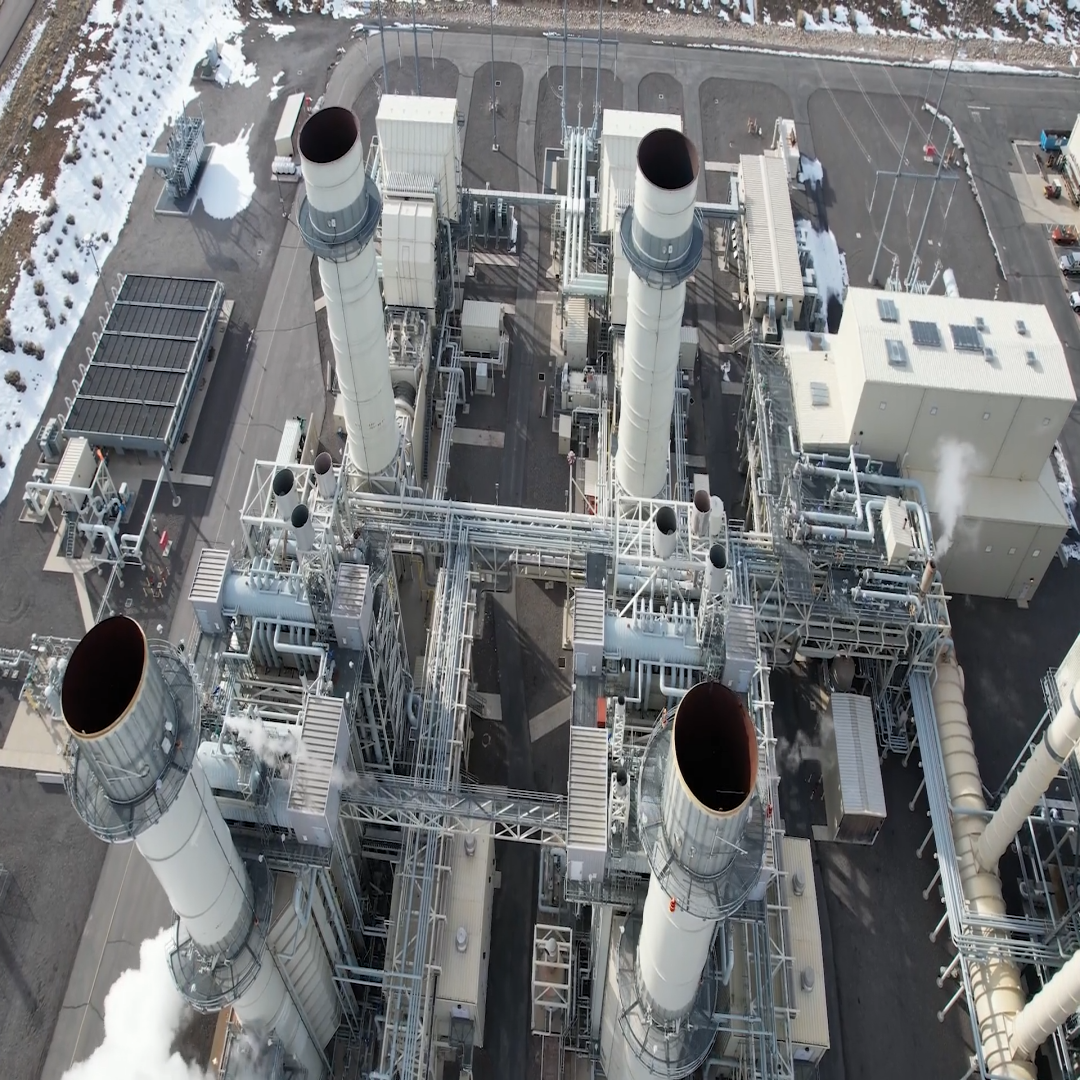
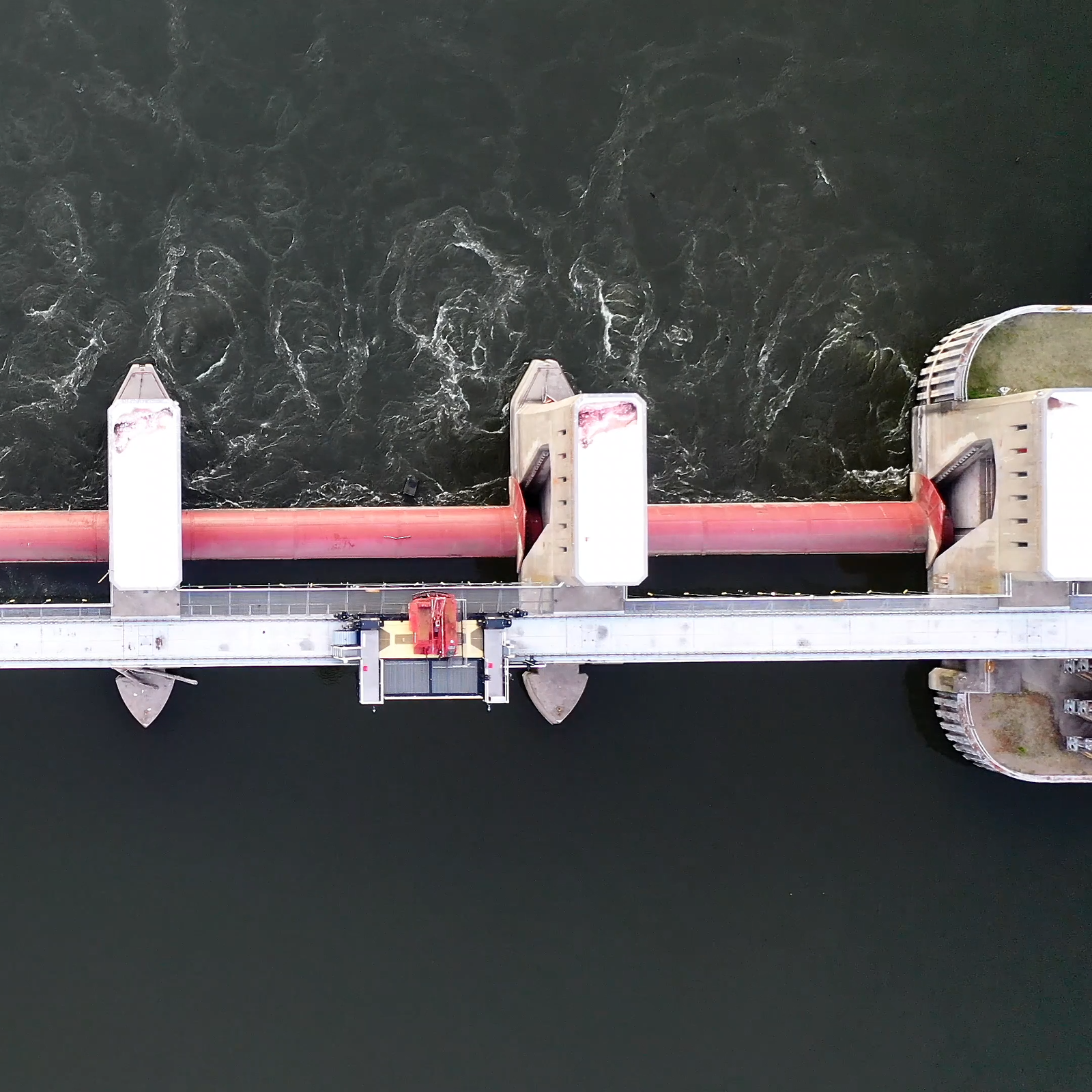
Carbon steel pressure pipes are a type of industrial steel pipe used to transport liquids, gases, steam, high-temperature media, and pressurized fluids.
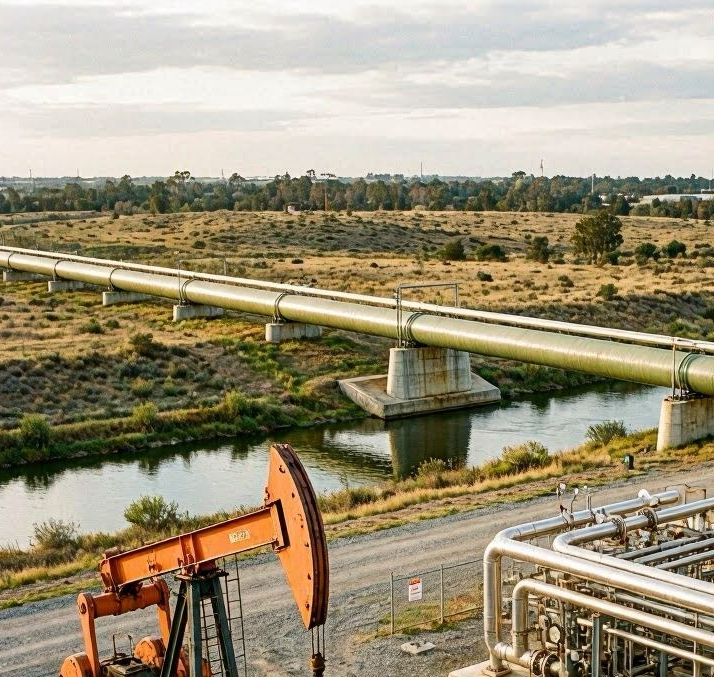
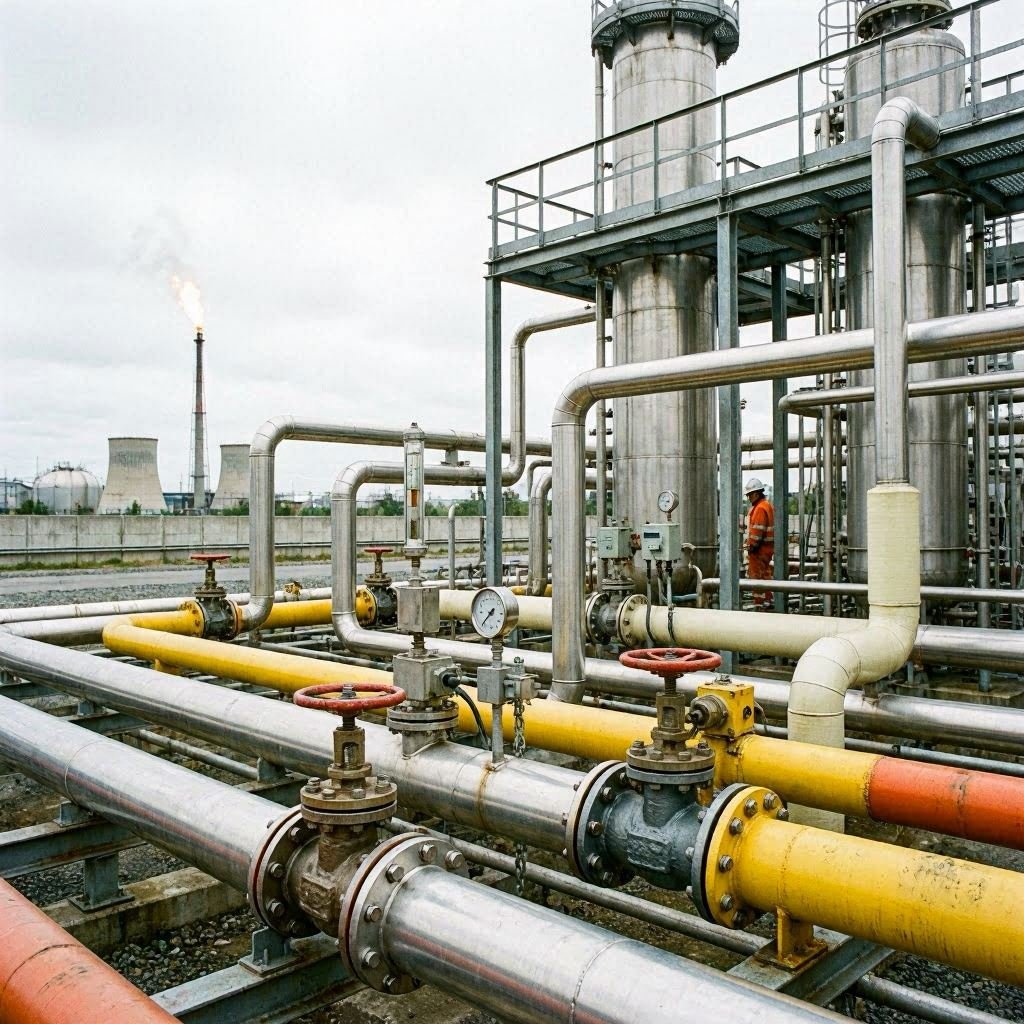
Carbon steel pressure pipe is one of the most common pipe materials in the oil and gas industry, with common standards including API 5L, ASTM A106, and ASTM A53.
These applications typically involve high-temperature, high-pressure environments, and ASTM A106 Grade B/C or ASTM A335 alloy pipe is commonly used.
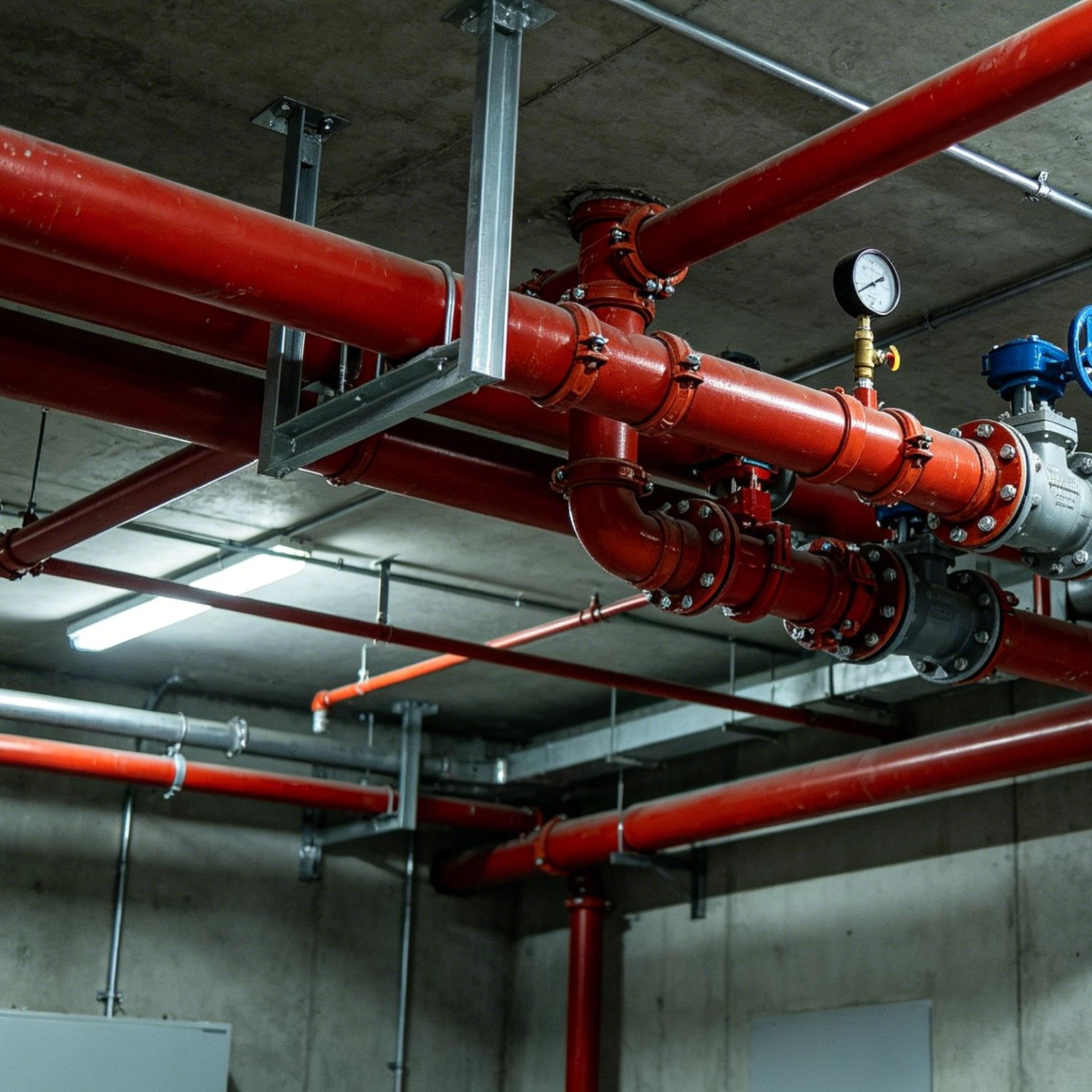
ASTM A53 is the most common standard for fire protection piping; other standards include UL and FM.
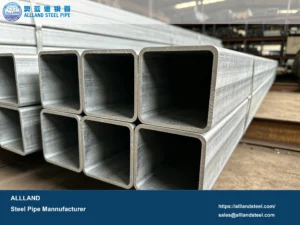
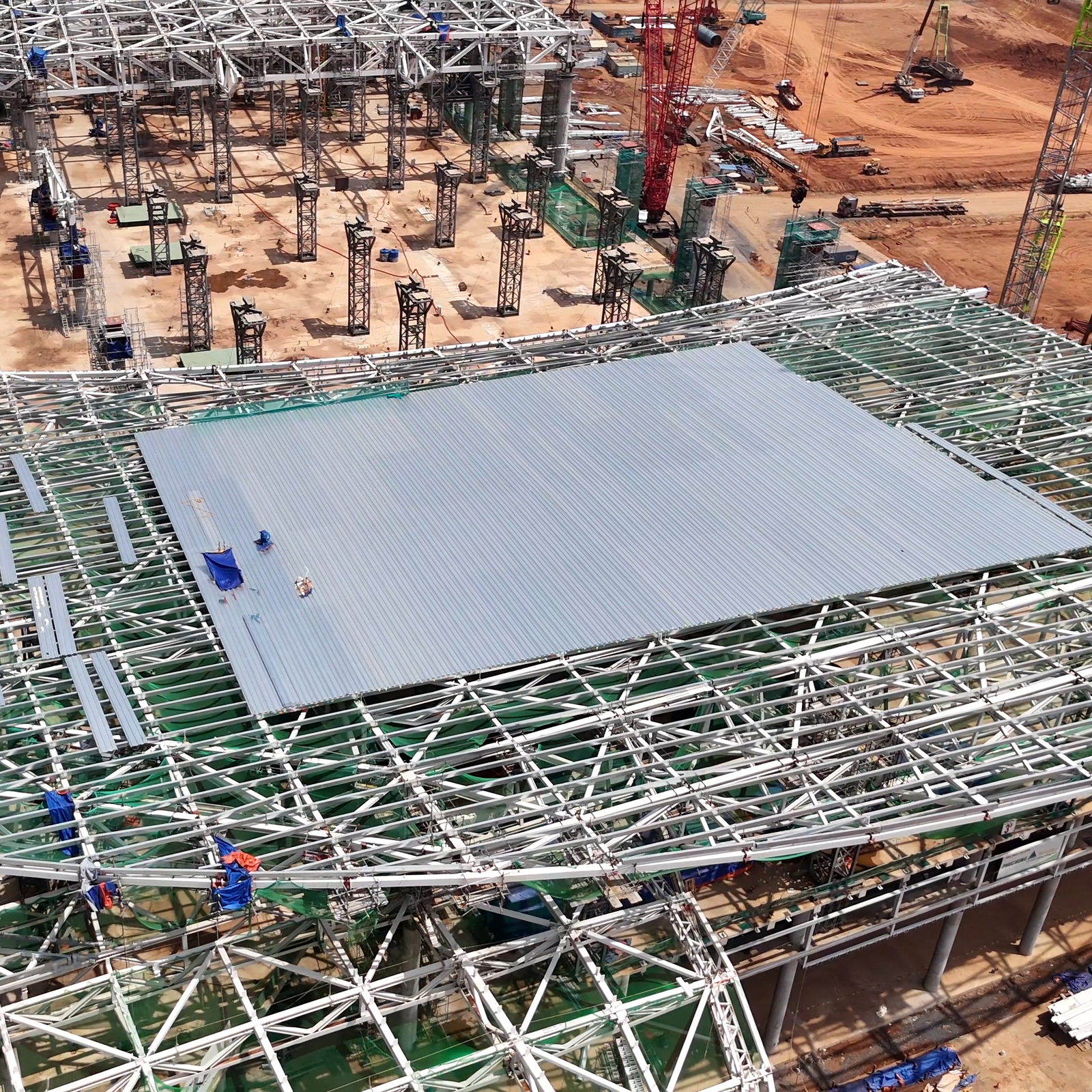
Although classified as pressure pipes, many products are also suitable for mechanical and structural applications such as mechanical tubing, structural supports, and machine frames.
Because carbon steel pressure pipes typically offer consistent strength and standardized dimensions, they meet the requirements of building and structural projects.
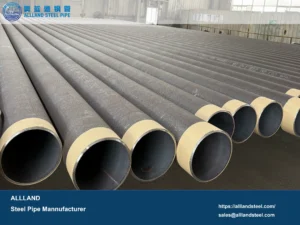
When used with anti-corrosion coatings, they offer both consistent strength and corrosion resistance.
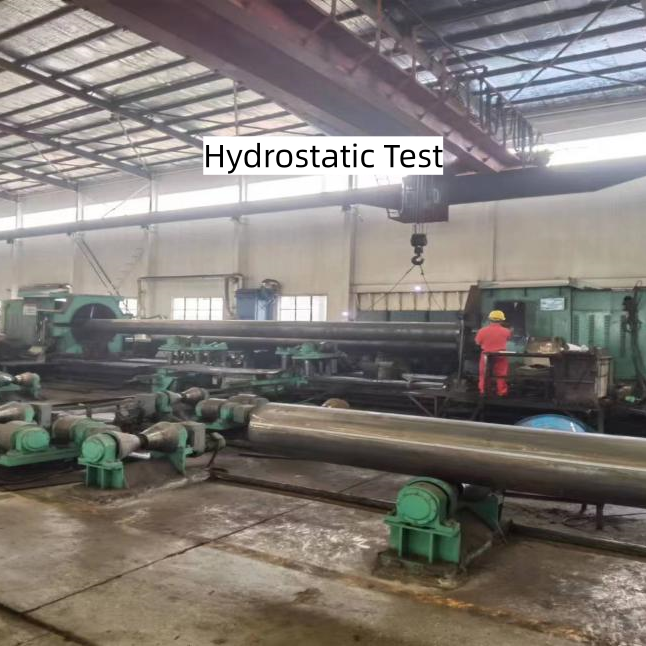
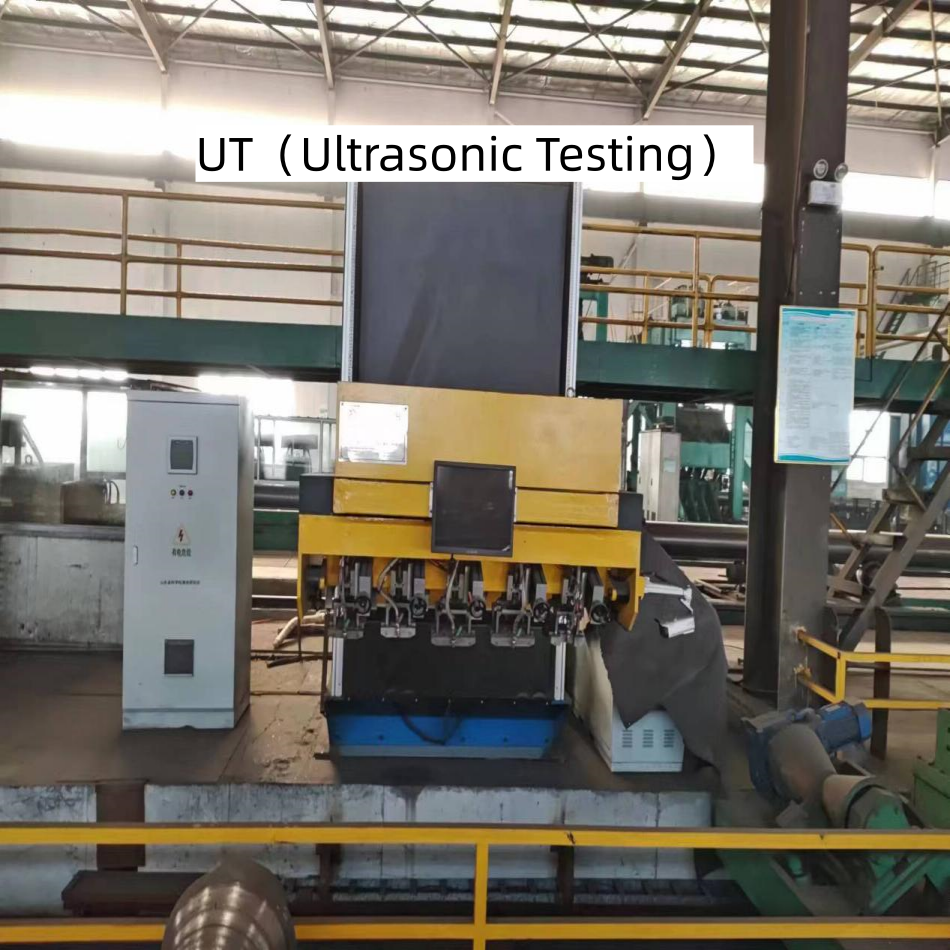
Common Testing Methods for Carbon Steel Pressure Pipe
NDT (Non-Destructive Testing)
- UT (Ultrasonic Testing)
- RT (Radiographic Testing)
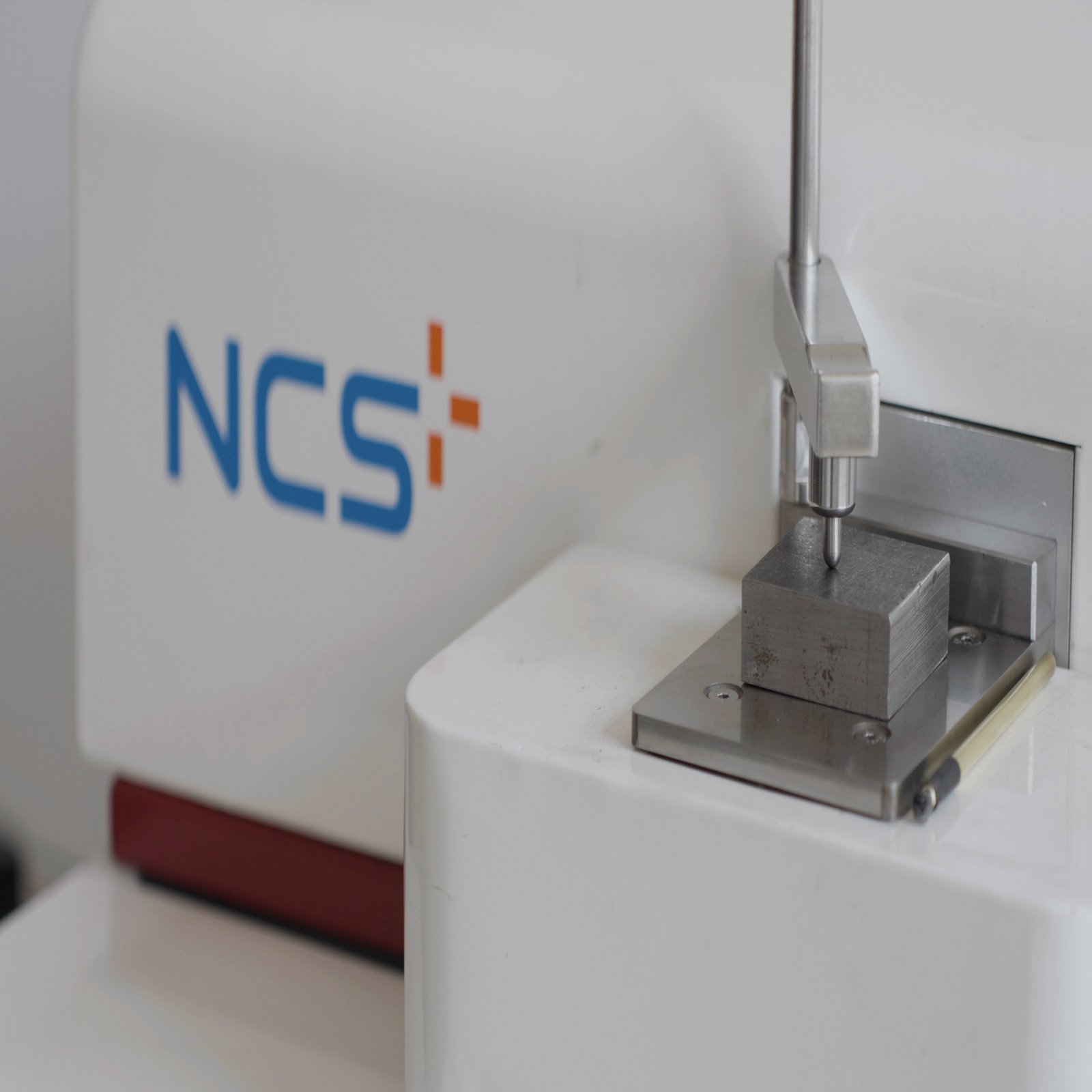
Chemical Analysis
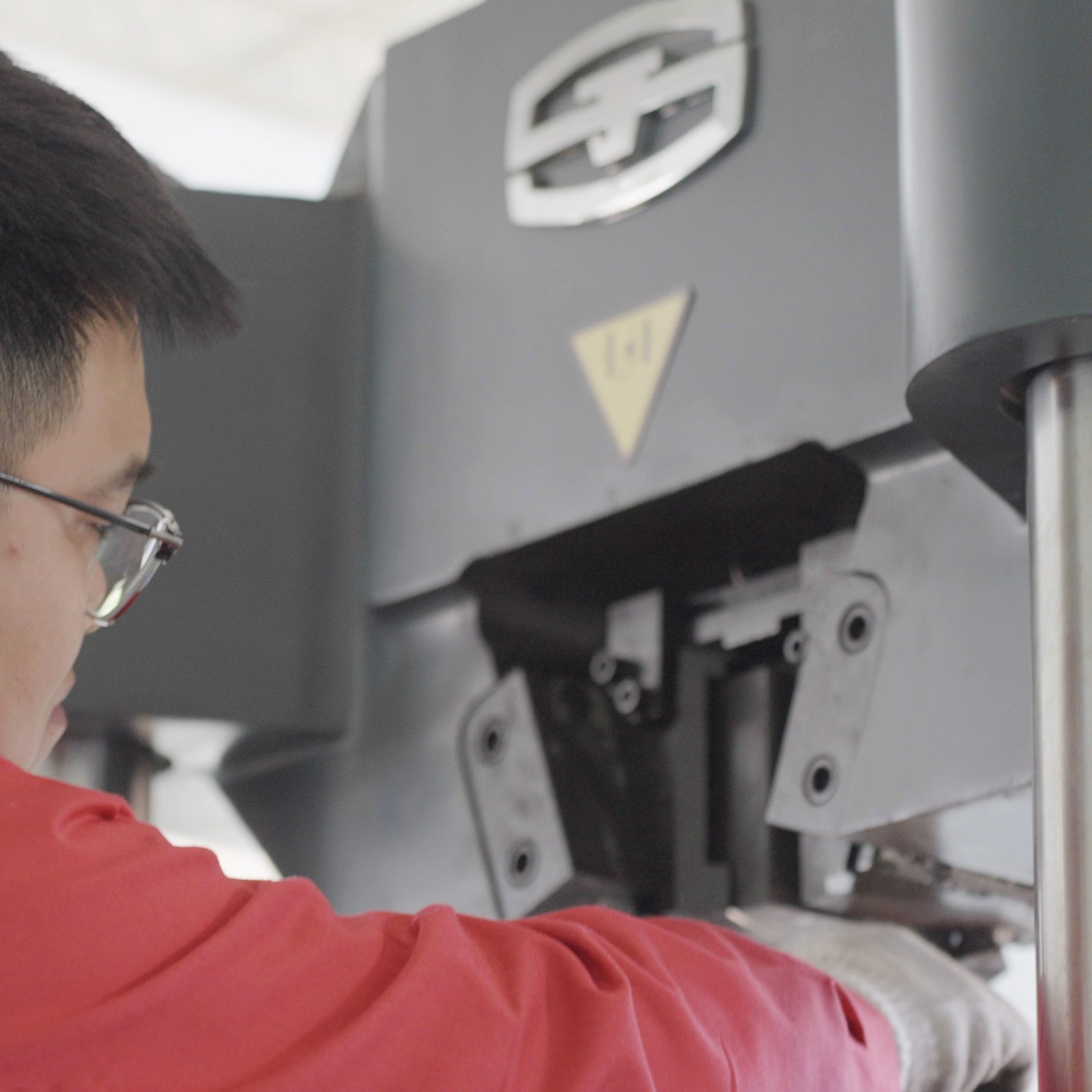
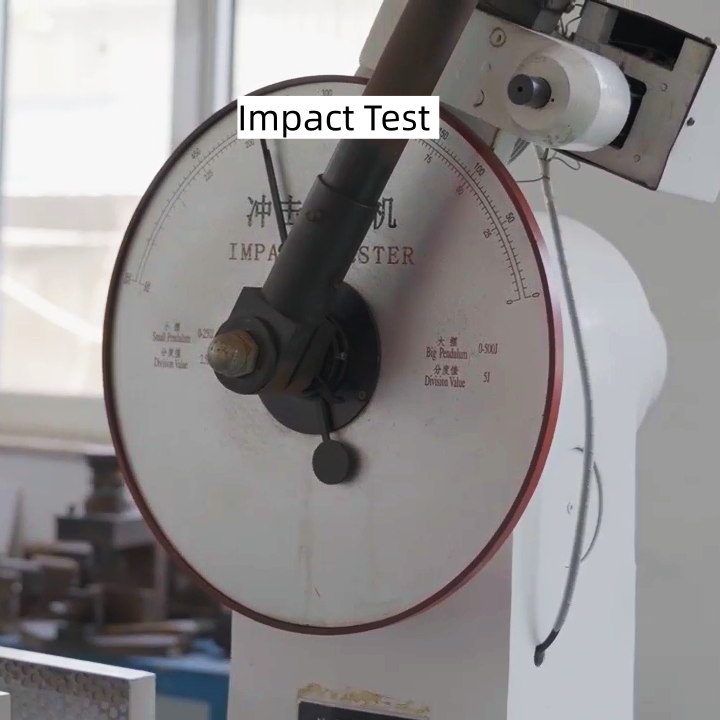
Mechanical Testing
- Tensile Test
- Impact Test
- Flattening Test
- Bend Test
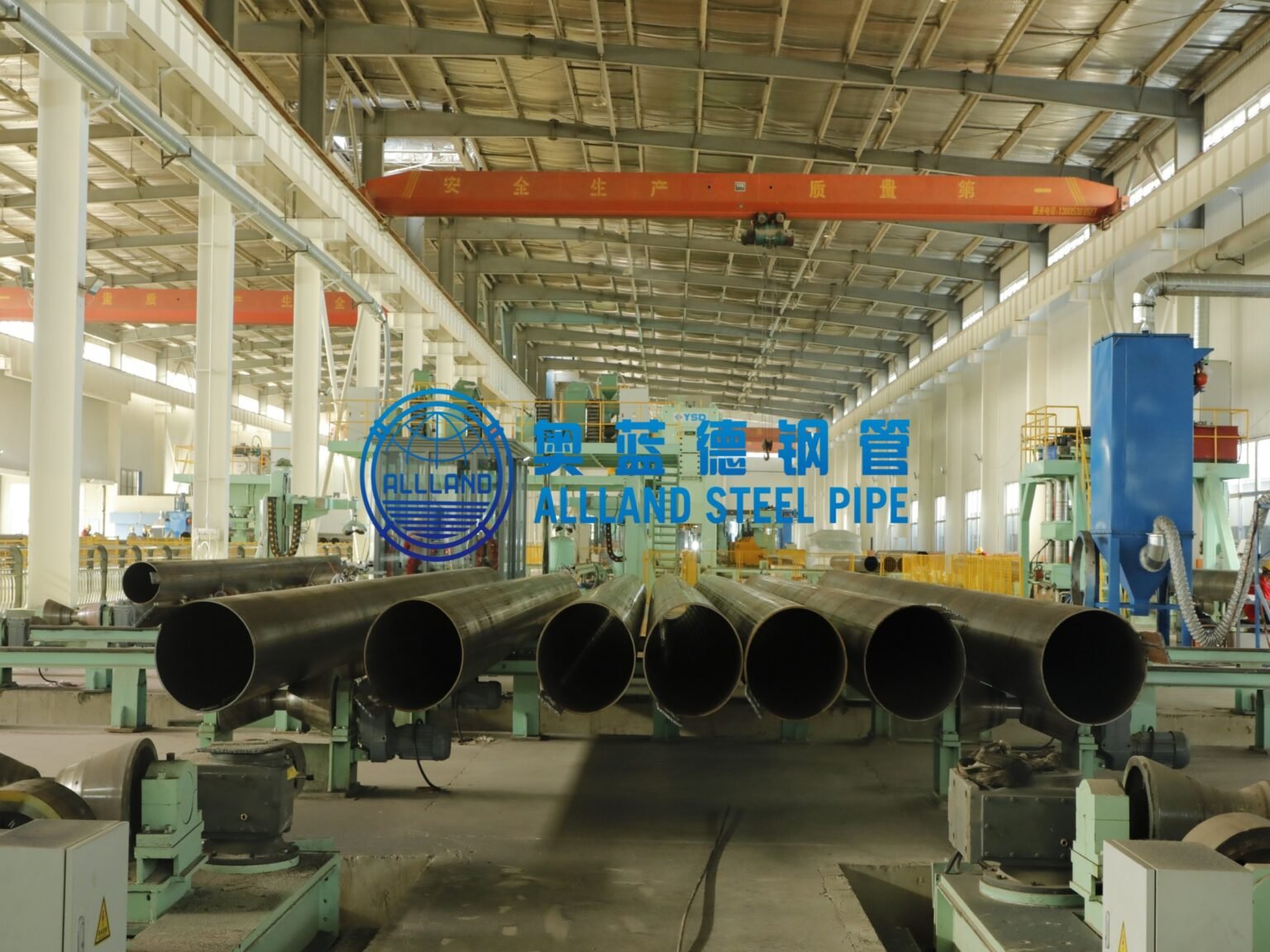
ALLLAND Steel Pipe has over two decades of experience in manufacturing and exporting high-quality carbon steel pressure pipes for the oil and gas industry, power plants, chemical processing, fire protection, and industrial piping systems.
Our pressure pipes include both seamless and welded types, available in a full range of sizes and specifications. All products are manufactured in accordance with international standards such as ASTM, API, and EN, ensuring reliable performance and consistent quality.
Please feel free to contact us with any questions; our professional team is ready to provide solutions for your projects.
FAQ
What is the difference between carbon steel pressure pipe and structural pipe?
Pressure Pipe: Emphasis is on pressure-bearing capacity.
Structural Pipe: Emphasis is on structural support.
Can carbon steel pressure pipe be coated for corrosion protection?
Yes. Common corrosion protection methods include:Galvanized/ FBE/ 3PE/ Epoxy Coating.
Is seamless pipe always better than welded pipe?
Not necessarily. Seamless pipe is superior under high-pressure, high-temperature conditions. For general transportation projects, ERW/LSAW is more cost-effective.