



What is RHS Hollow Structural Section?
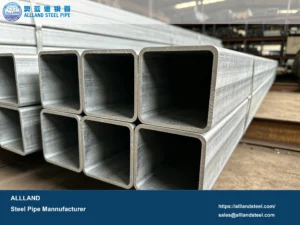
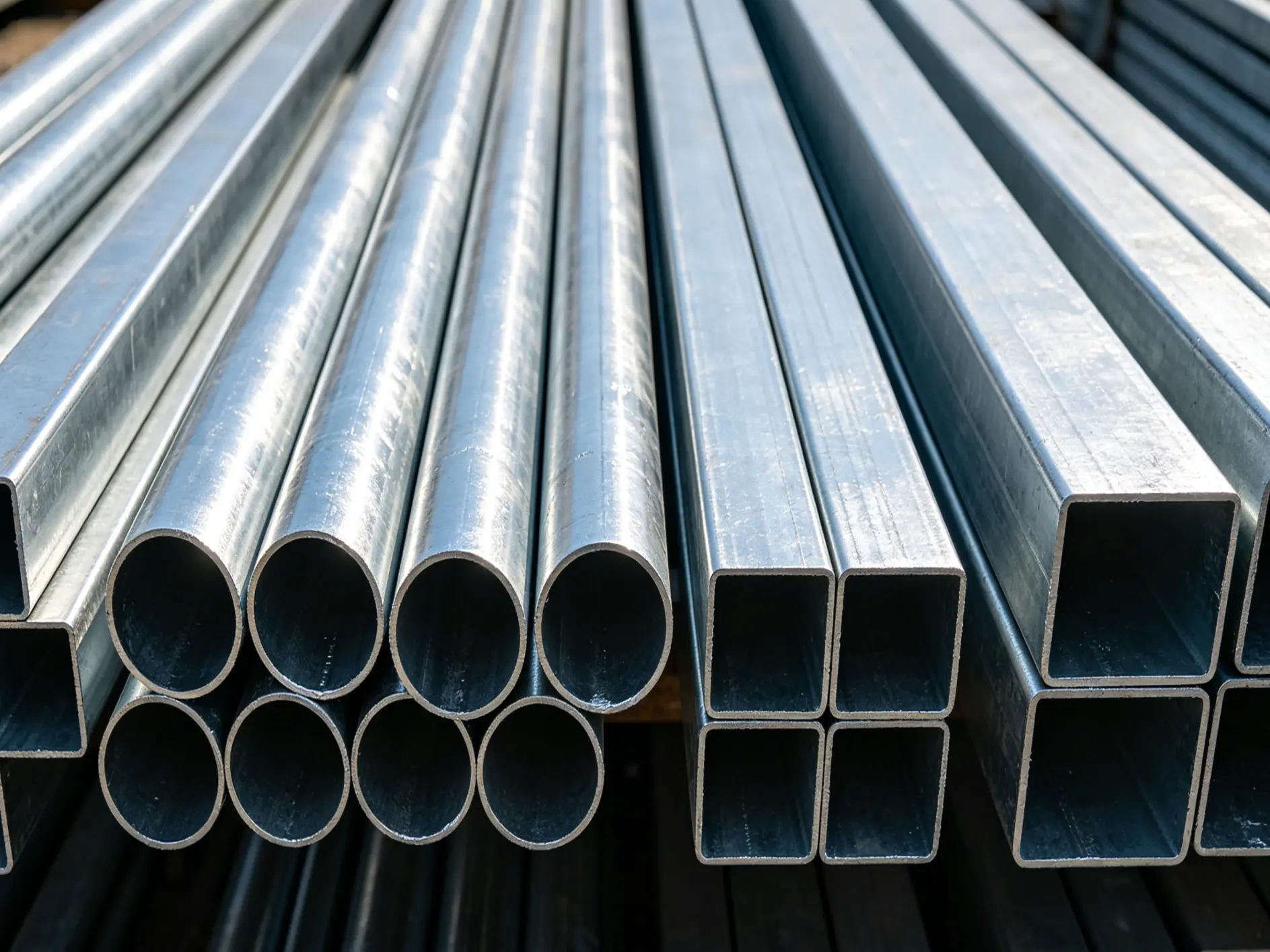
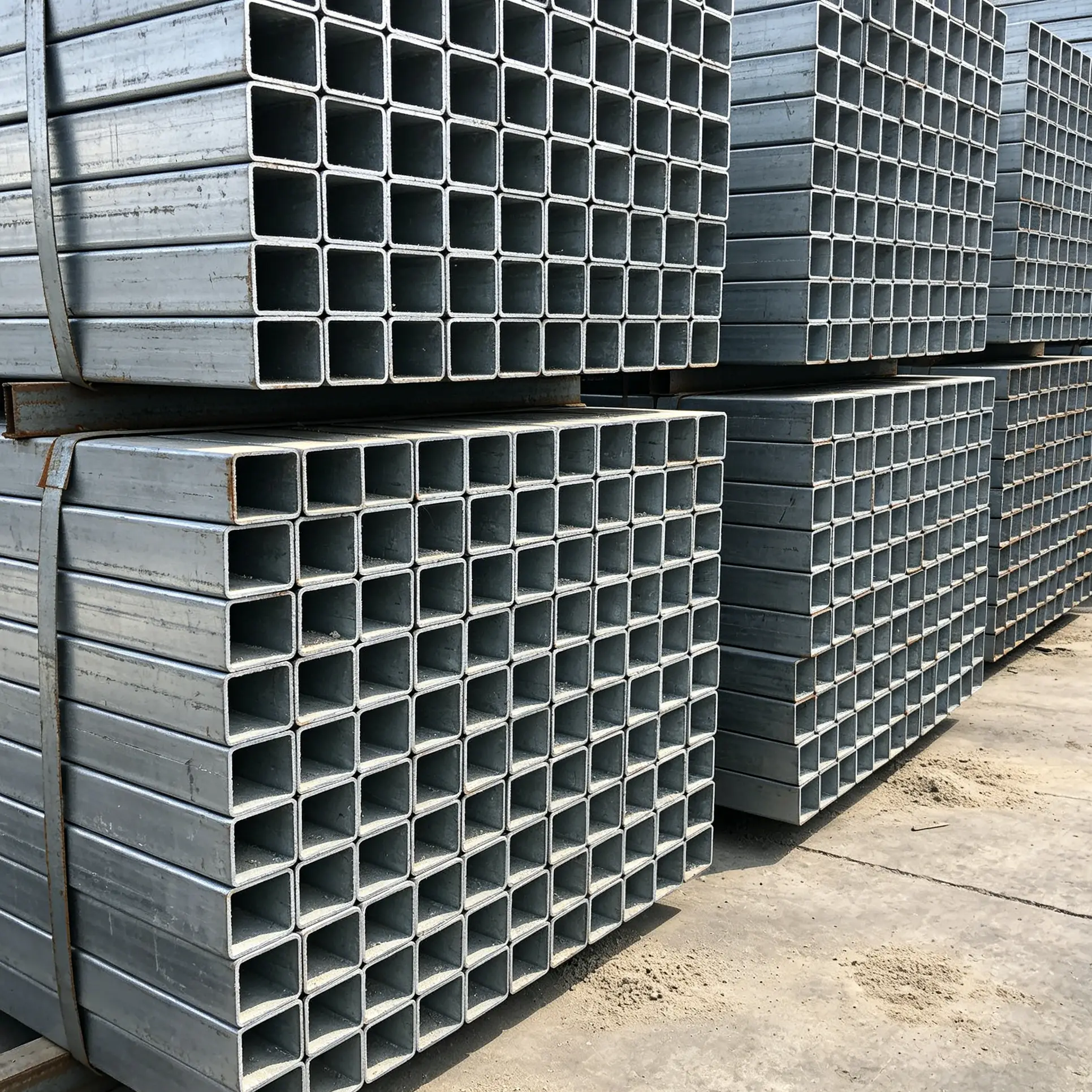
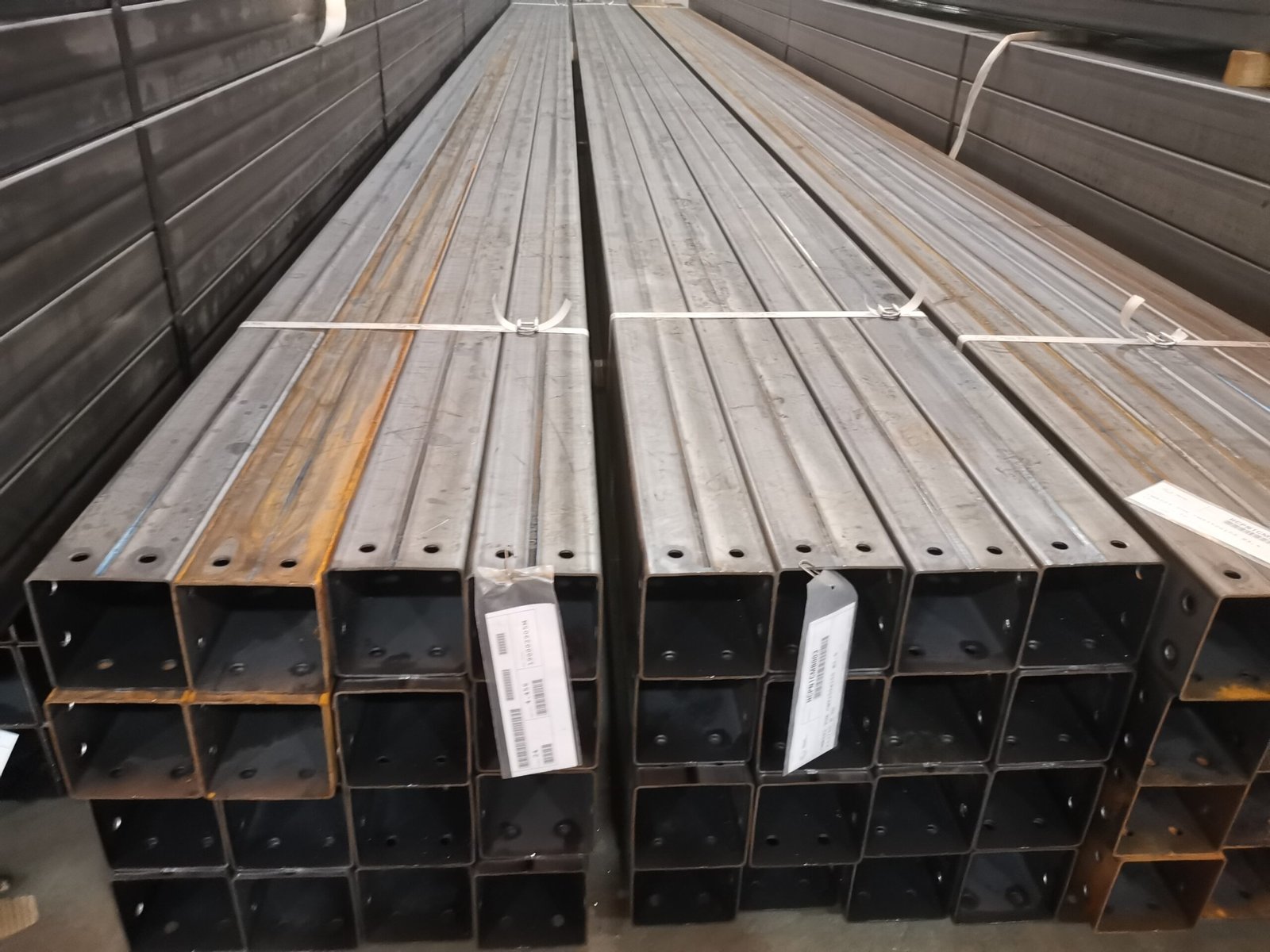
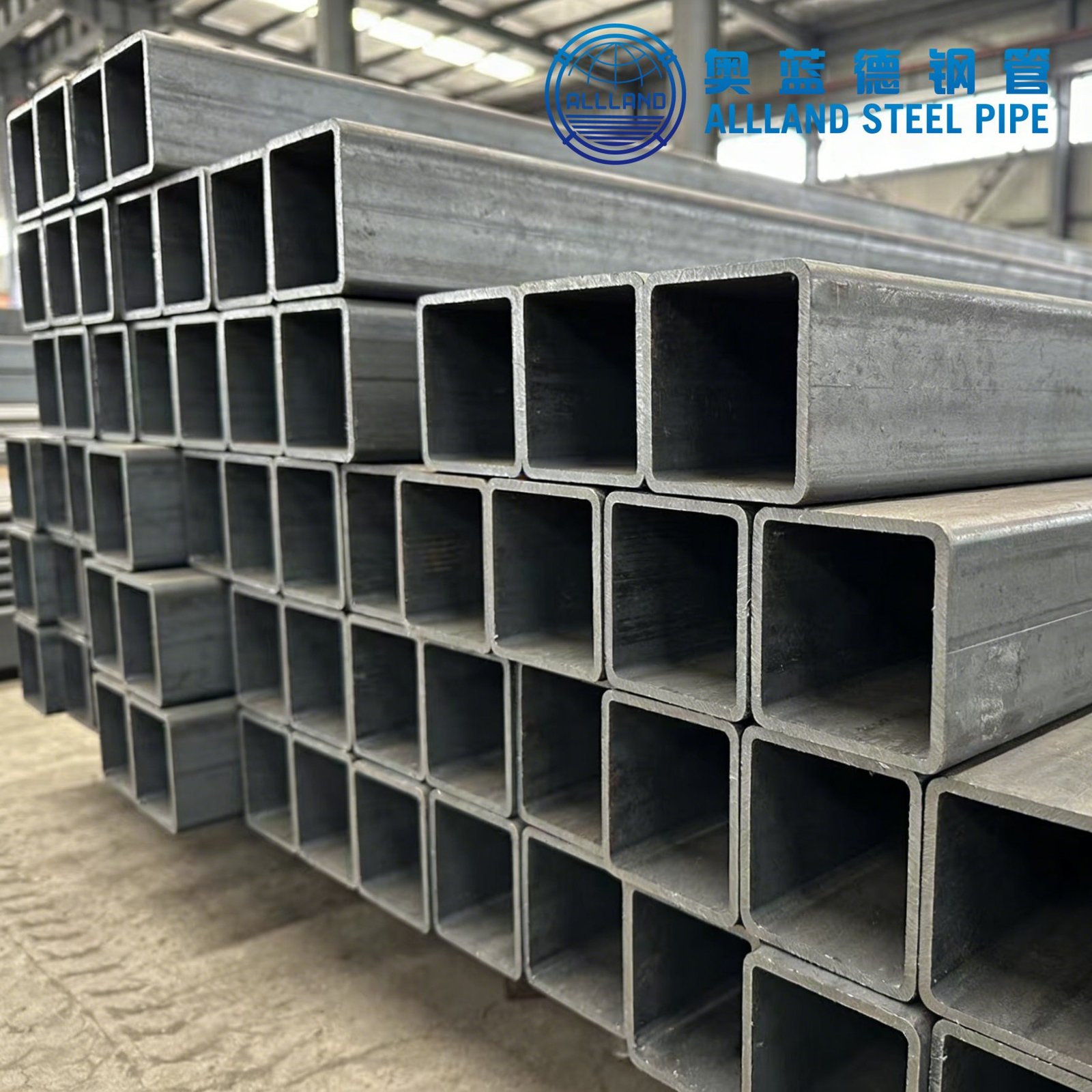
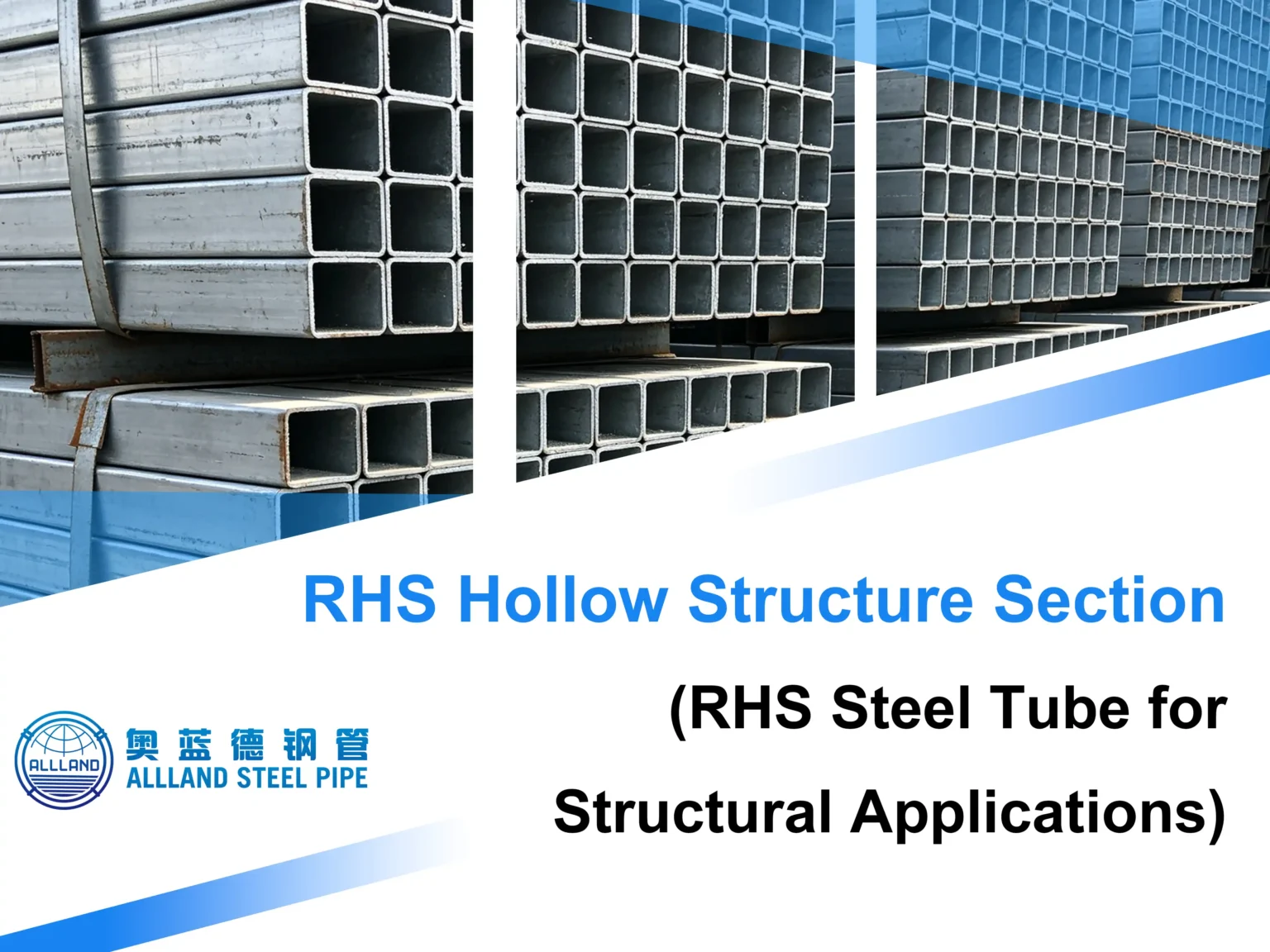
RHS (Rectangular Hollow Section) is a type of HSS (Hollow Structural Section), which refers to hollow steel tubes with rectangular or square cross-sections.
Also known as:
- Square Hollow Section (SHS)
- Structural Hollow Section
In engineering structures, RHS (Rectangular Hollow Section) is widely used in modern steel structural systems due to its **high strength-to-weight ratio** and excellent bending and torsional resistance. Typical applications include steel-framed buildings, bridges, and various types of engineering frame structures.
RHS Hollow Structure Section Size Chart
RHS hollow structure section dimensions are defined by:
- Width × Height
- Wall thickness
- Weight per meter
- Section modulus
RHS Hollow Structure Section Manufacturing Process
RHS steel pipes are primarily manufactured in the following two ways:
1. ERW (Electric Resistance Welded Pipe) – Most Common
👉 Features:
- Low cost
- High production volume
- Wide range of sizes
2. Seamless / Hot-Finished Forming
👉 Features:
- More uniform strength
- Better suited for high-load structures
Common Standards of RHS Hollow Structure Section
RHS steel tubes typically comply with the following international standards:
ASTM A500 (U.S. structural tubing standard)
EN 10210 (Hot-finished structural hollow sections)
EN 10219 (Cold-formed welded structural hollow sections)
Galvanized RHS Steel Option
To enhance corrosion resistance, RHS is typically treated with:
- Hot-dip galvanizing
- Pre-galvanized coating
- Anti-corrosion painting
Particularly suitable for: Outdoor steel structures/ Coastal and offshore environments.
RHS Hollow Structure Section Strength Analysis
Is RHS hollow structure section stronger than solid steel?
From a structural engineering perspective, the advantage of RHS hollow sections does not lie in having “more” material, but rather in a more efficient distribution of that material.
For the same weight, RHS typically exhibits the following characteristics:
- Higher bending efficiency compared to solid steel
- A more rational distribution of torsional stiffness, resulting in superior torsional performance
- Higher structural efficiency in load-bearing structures
In contrast, although solid steel has a higher overall mass, the material is primarily concentrated within the cross-section, resulting in a lower contribution to bending and torsional resistance; therefore, it is less structurally efficient than RHS hollow sections.
Key Engineering Principle
The core performance of RHS hollow sections depends primarily on two key factors: Material distribution & Moment of inertia.
Their structural advantages lie in:
👉 Material is distributed more toward the outer edges of the section, away from the neutral axis
👉 Significantly increased moment of inertia of the cross-section
Consequently, with the same amount of material, RHS achieves higher structural efficiency, making it highly suitable for use in beams, columns, and frame structures within modern steel structural systems.
Applications of RHS Hollow Structure Section
RHS rectangular hollow structural steel is widely used in modern steel structure engineering due to its excellent strength-to-weight ratio and good workability.
Common applications include:
- Steel structure buildings
- Bridge construction
- Industrial frameworks
- Infrastructure and offshore structures
Thanks to its excellent weldability and structural efficiency, RHS is commonly used in load-bearing structures and prefabricated steel structural systems.
RHS Hollow Structure Section Selection Guide
Engineers typically choose RHS based on the following key factors:
1. High structural efficiency
Higher load-bearing capacity for the same weight
2. Easy connection design
Suitable for both welded and bolted structures
3. Aesthetic architecture
Meets the “clean structure” design requirements of modern architecture
4. Load-bearing frames
Suitable for:
- Columns
- Beams
- Trusses
- Support frames
👉 The selection of RHS typically requires a comprehensive evaluation that takes into account the project’s standards system and construction methods.
Engineering Requirements in U.S. Structural Projects
In the steel structure engineering applications we provide for clients in the United States, requirements for RHS hollow structural sections typically focus on strength, safety, dimensional accuracy, and compliance with standards, and these requirements are particularly stringent in prefabricated steel structure projects.
In such engineering systems, RHS materials must meet the following requirements:
- Strict dimensional accuracy control to ensure the precision of on-site assembly of prefabricated components
- Consistent mechanical properties to guarantee structural safety
- Good fabrication and weldability to accommodate factory prefabrication processes
- Compliance with international standards such as ASTM A500 (standard compliance)
Through production process control and quality management, RHS hollow structural sections can meet the requirements for structural reliability and construction efficiency in North American steel structural systems.
RHS Hollow Structure Section Failure Modes
In practical engineering applications, the failure modes that may occur in RHS hollow structural sections are primarily related to structural loading, welding processes, and service environments, and typically include the following categories:
1. Local buckling
When the wall thickness is thin or the structure is subjected to high compressive stress, local buckling may occur in the cross-section; this is one of the more common failure modes in thin-walled structures.
2. Welding stress concentration
In the welded joint area, microstructural changes and stress concentration in the heat-affected zone may reduce local load-bearing capacity and affect the overall fatigue performance of the structure.
3. Corrosion in Hollow Cavities
In hollow structures that have not been effectively sealed or treated with corrosion protection, corrosion may occur inside due to moisture accumulation, particularly in humid or marine environments.
4. Fatigue Failure
In applications such as bridges and mechanical structures subjected to cyclic loads, long-term repeated loading may lead to the initiation and propagation of fatigue cracks.
Manufacturing Quality Control for Structural Reliability
To reduce the potential risk of failure in RHS hollow structural sections during engineering applications, quality control during the manufacturing stage is critical, particularly with regard to wall thickness consistency, weld quality, and dimensional accuracy.
Within ALLLAND’s production system, we ensure that RHS products meet the stability requirements of structural engineering through strict process controls and inspection procedures, including:
- Dimensional Accuracy
- Weld Quality Control
- Mechanical Consistency
- Inspection & Traceability
Through these quality control measures, RHS hollow structural sections are better suited to meet the load-bearing and service environment requirements of steel structure engineering, thereby enhancing the overall safety and reliability of the structure.