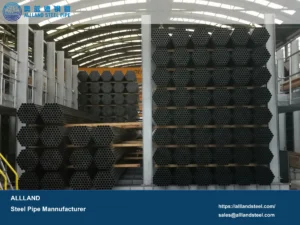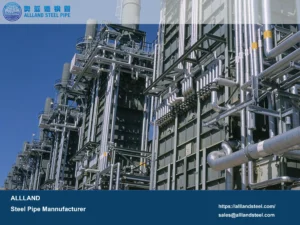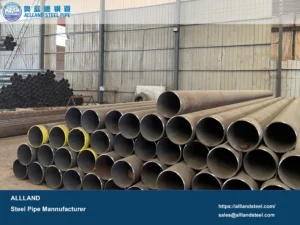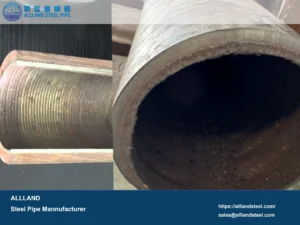


In the field of modern steel structure engineering, ASTM A500 Hollow Structural Section (ASTM A500 HSS) has become one of the most common and widely used standards for structural steel tubes.
Whether in industrial plants, high-rise buildings, bridge engineering, or mechanical equipment and new energy support systems, ASTM A500 holds a significant position in the global steel structure market due to its excellent structural performance and consistent workability.
What Is ASTM A500 Hollow Structural Section?
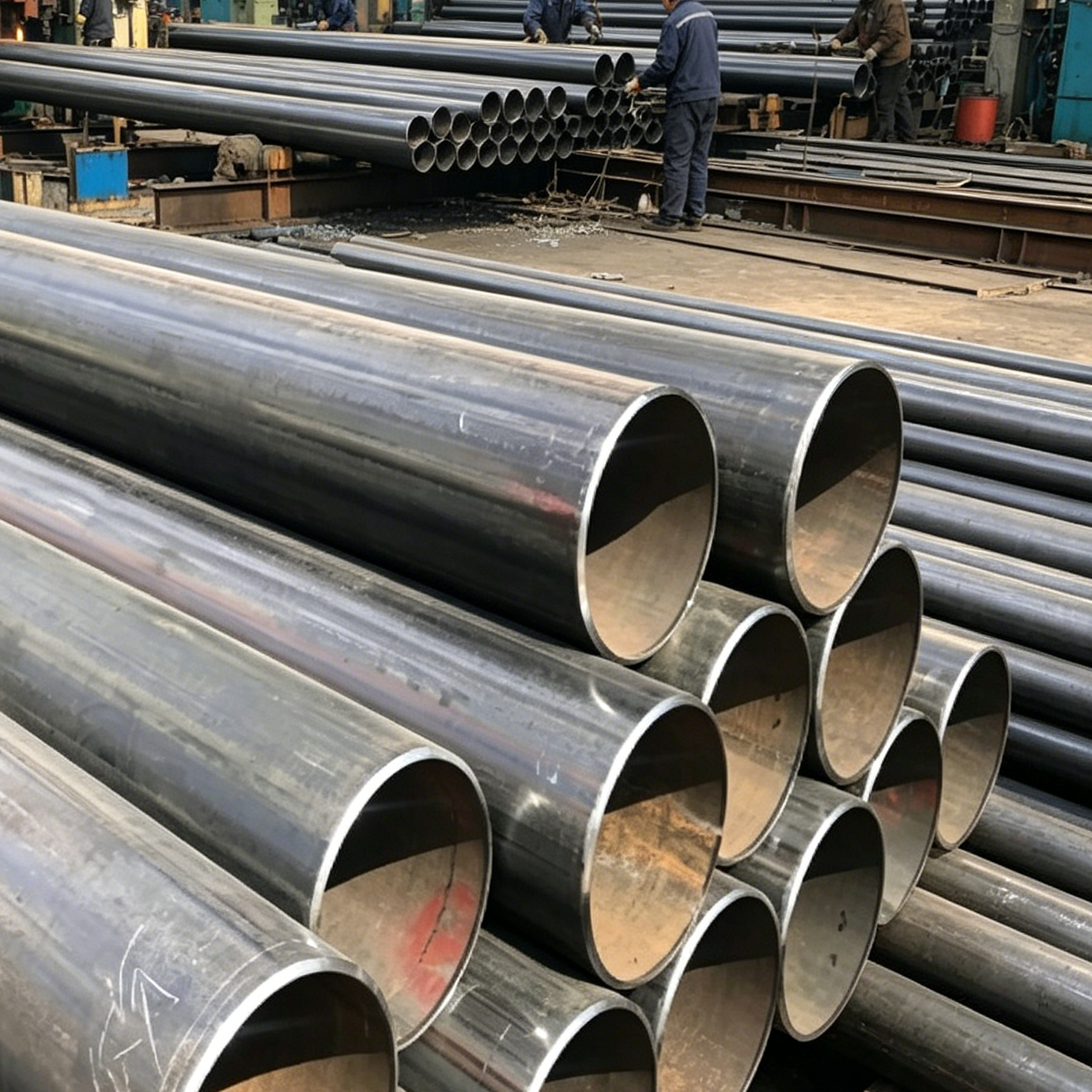
ASTM A500 is essentially a cold-formed welded structural steel tube and is also a typical carbon steel hollow structural section (HSS).
Unlike traditional steel pipes used for fluid conveyance, ASTM A500 places greater emphasis on structural load-bearing capacity, weldability, and overall stability, making it more suitable for various load-bearing structural engineering applications.
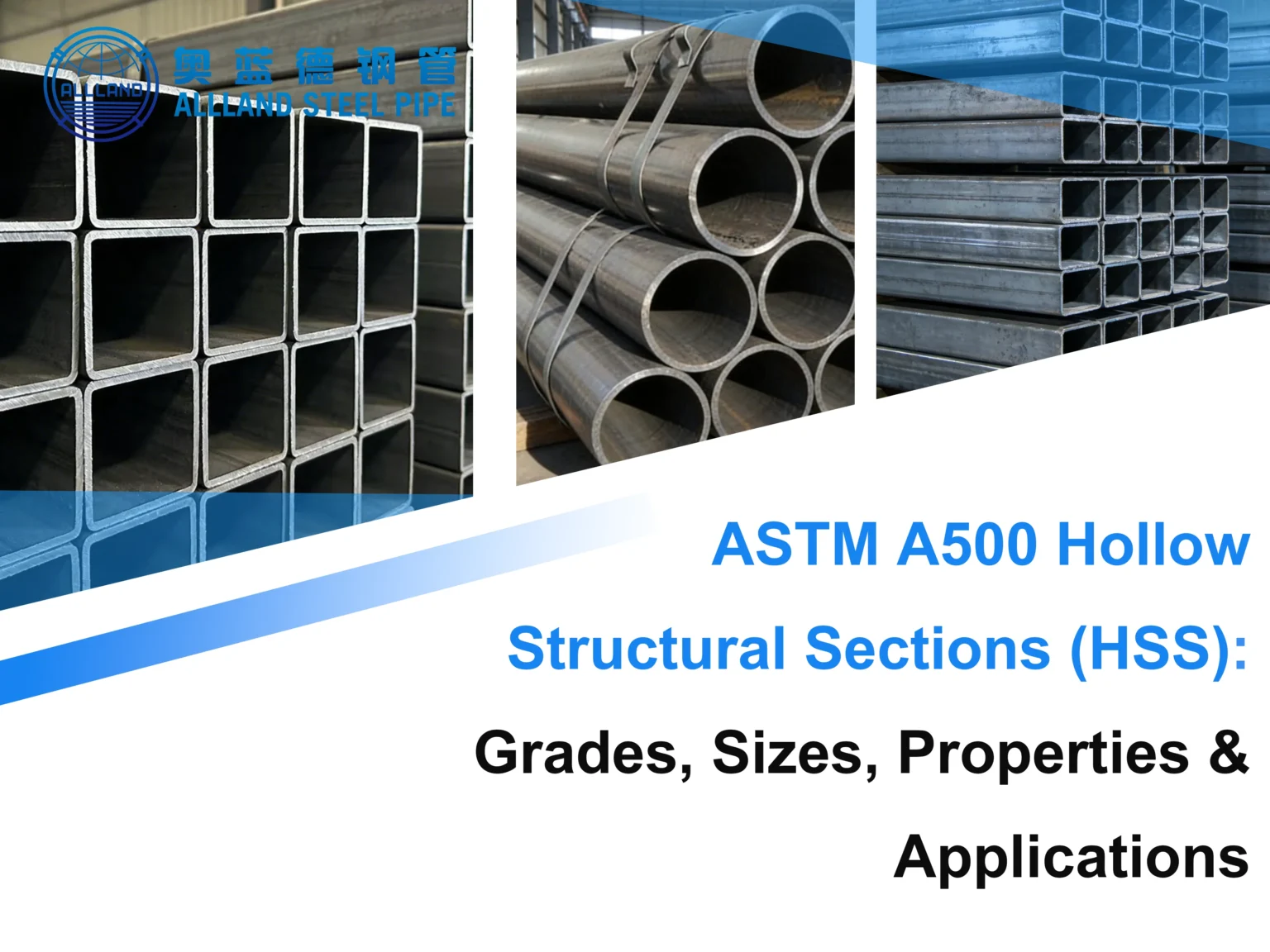
Currently, ASTM A500 primarily includes three product forms:
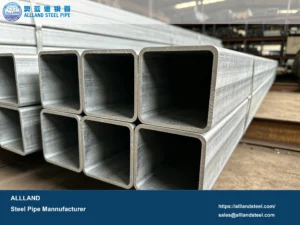
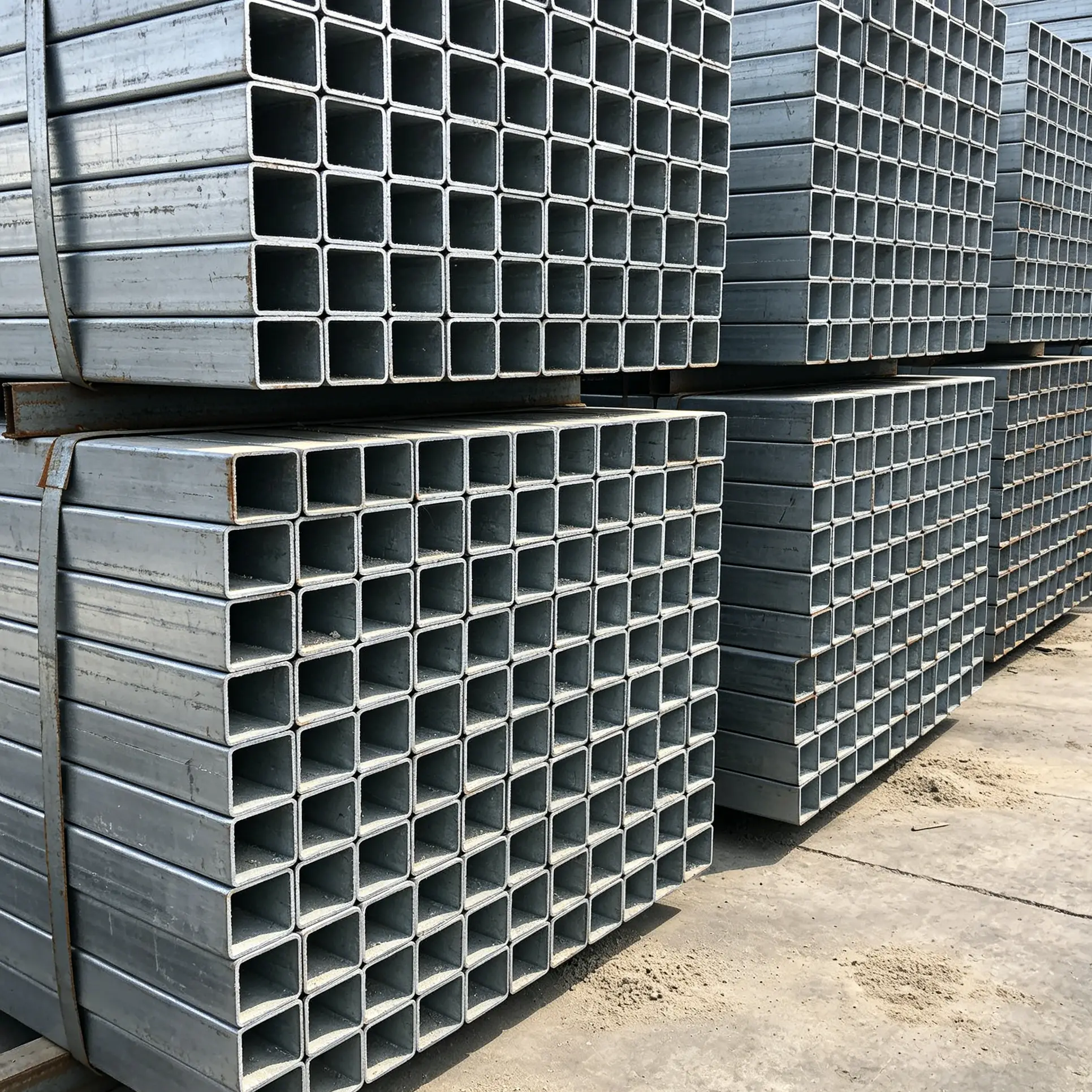
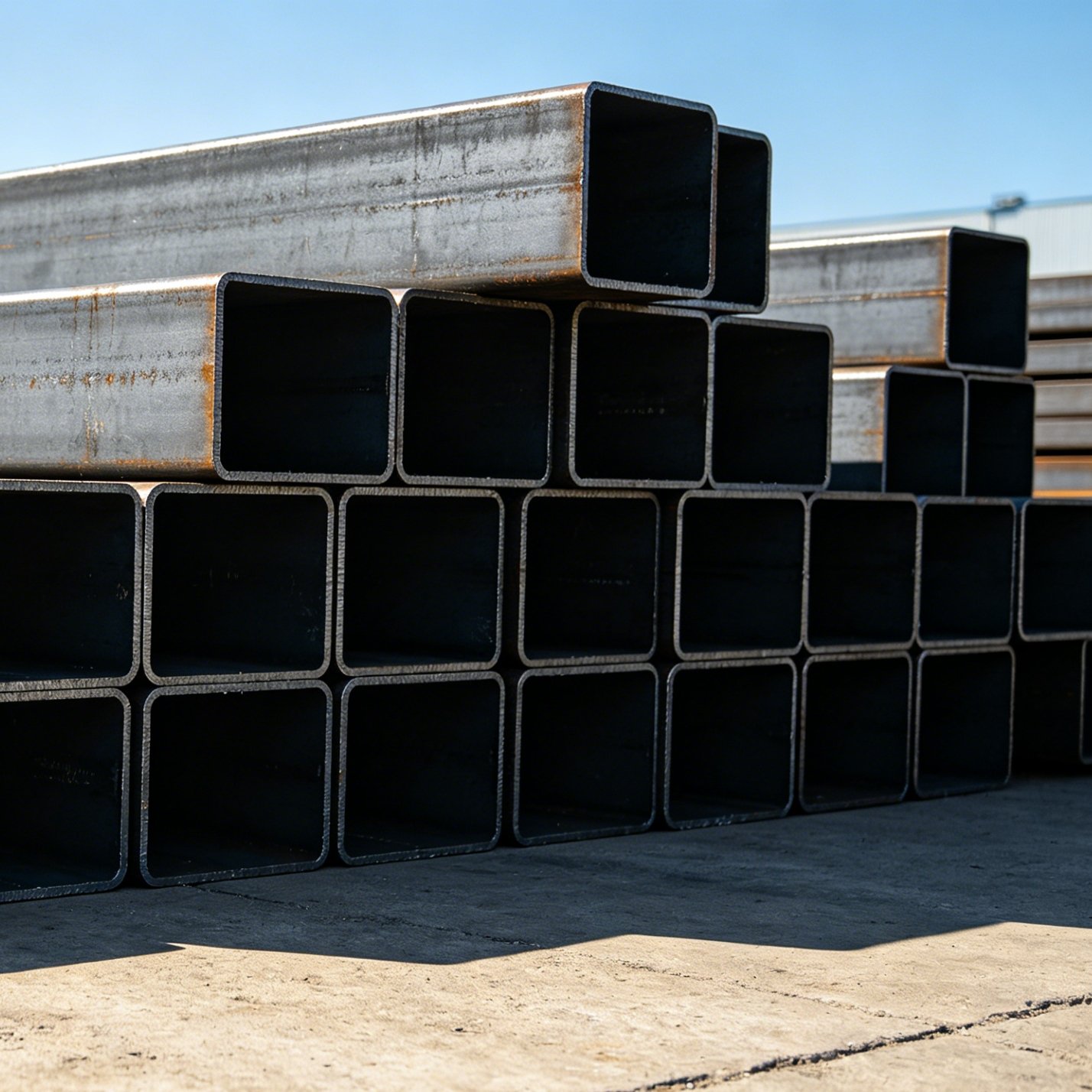
- Square Hollow Section (SHS)
- Rectangular Hollow Section (RHS)
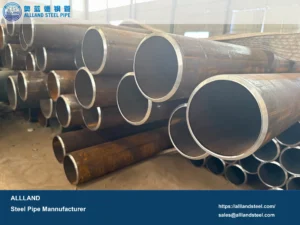
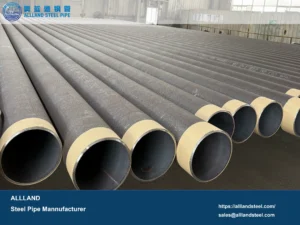
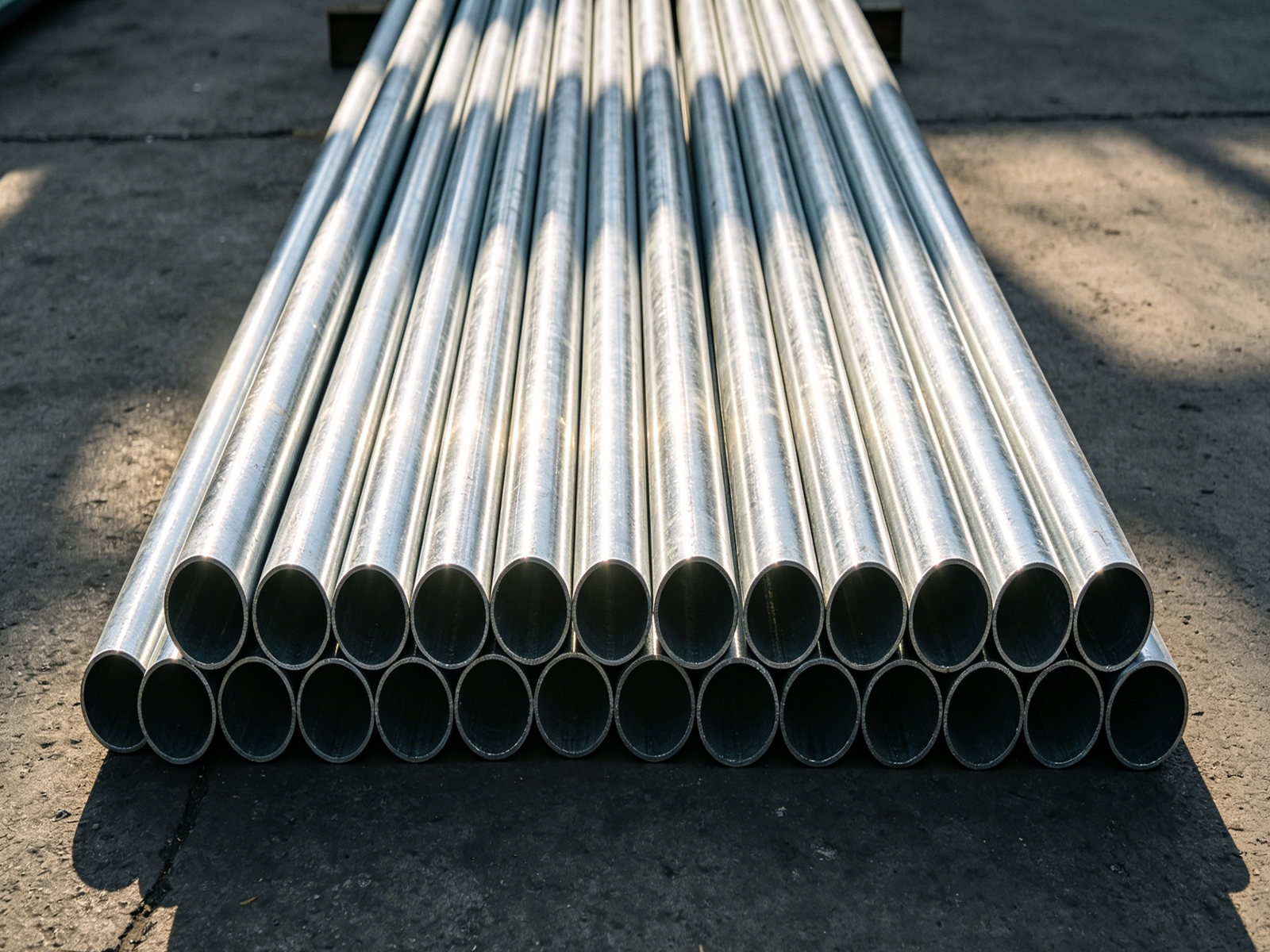
- Round Structural Tube
Compared to traditional open-section steel, HSS hollow sections offer superior performance in terms of bending, compression, and torsion resistance, while also effectively reducing structural weight. As a result, an increasing number of engineering projects in modern steel structure design are adopting ASTM A500 HSS as the primary structural material.
ASTM A500 Hollow Structural Section Grades and Mechanical Properties
To meet the strength and structural performance requirements of various engineering projects, ASTM A500 is classified into several grades based on mechanical properties, including Grade A, Grade B, Grade C, and Grade D.
Among these, Grade B and Grade C are the two most common grades in the international market.
The key distinction between these grades lies in the differences in yield strength and tensile strength. Generally, the higher the steel grade, the greater its structural load-bearing capacity, making it suitable for applications involving higher loads and more complex engineering environments.
| Grade | Yield Strength | Tensile Strength | Typical Applications |
|---|---|---|---|
| Grade A | 39 ksi | 45 ksi | General Light Structural Applications |
| Grade B | 46 ksi | 58 ksi | Building Structures and Industrial Structures |
| Grade C | 50 ksi | 62 ksi | High-Strength Steel Structures |
| Grade D | 36 ksi | 58 ksi | Special Engineering Structures |
In actual engineering projects, Grade B is widely used in warehouses,
steel-frame industrial buildings,
and general industrial structures
due to its excellent overall performance and cost-effectiveness.
Grade C, due to its higher strength, is more suitable for high-strength applications such as
bridges,
large industrial facilities,
and offshore structures.
As modern engineering places increasing demands on lightweight structures with high load-bearing capacity, market demand for Grade C is also continuing to grow.
Chemical Composition of ASTM A500 Hollow Structural Section
The superior structural properties of ASTM A500 result not only from advanced cold-forming manufacturing processes but are also closely related to its strictly controlled chemical composition.
An optimal balance of elements ensures strength while enhancing the steel pipe’s weldability, formability, and long-term structural stability.
| Element | Grade A | Grade B | Grade C | Grade D |
| Carbon (C) | ≤ 0.26% | ≤ 0.26% | ≤ 0.23% | ≤ 0.26% |
| Manganese (Mn) | ≤ 1.35% | ≤ 1.35% | ≤ 1.35% | ≤ 1.35% |
| Phosphorus (P) | ≤ 0.035% | ≤ 0.035% | ≤ 0.035% | ≤ 0.035% |
| Sulfur (S) | ≤ 0.035% | ≤ 0.035% | ≤ 0.035% | ≤ 0.035% |
| Copper (Cu)* | ≥ 0.20% | ≥ 0.20% | ≥ 0.20% | ≥ 0.20% |
* Copper applies only when the purchase contract specifies corrosion-resistant steel (copper-bearing steel).
ASTM A500 Hollow Structural Section Size Chart
To meet a wide range of structural design requirements, ALLLAND Steel Pipe offers a comprehensive range of ASTM A500 HSS sizes and specifications. Whether for light-duty building supports or large-scale bridge structures, you can find the right specifications and models to suit your needs.
Manufacturing Process of ASTM A500 Hollow Structural Section
ASTM A500 structural tubing is typically manufactured using a cold-forming process.
Compared to hot-forming processes, cold forming provides higher dimensional accuracy and more consistent mechanical properties, making it particularly suitable for structural engineering applications.
During production, steel strips are first progressively bent into a tubular shape by a forming line, and then joined with a continuous weld using the ERW (Electric Resistance Welding) process. The ERW process offers advantages such as high welding efficiency and consistent weld quality, making it the most widely used manufacturing method for ASTM A500 HSS.
After welding is complete, the steel pipes must undergo sizing, straightening, and cutting to ensure:
- Outer diameter accuracy
- Wall thickness uniformity
- Diagonal consistency for square and rectangular sections
- Straightness
For certain high-demand projects, the following tests may also be added:
- Hydrostatic Testing
- Ultrasonic Inspection
- Weld Seam Inspection
to further enhance product reliability.
Applications of ASTM A500 Hollow Structural Section
ASTM A500 HSS is widely used in various types of steel structure projects.
ASTM A500 Hollow Structural Section for Construction and Building Structures
ASTM A500 HSS has a very wide range of applications, covering nearly all areas of modern steel structural engineering.
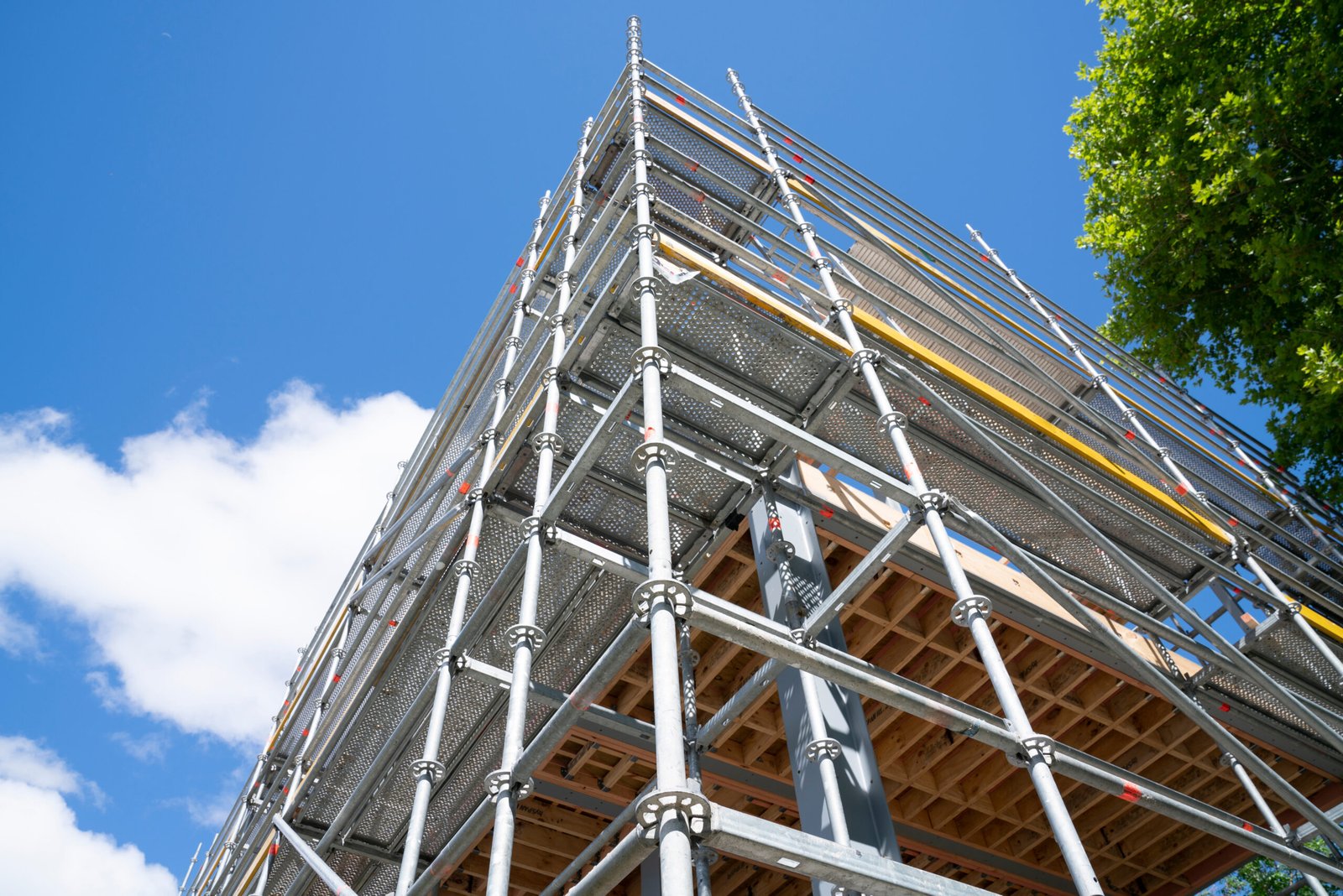
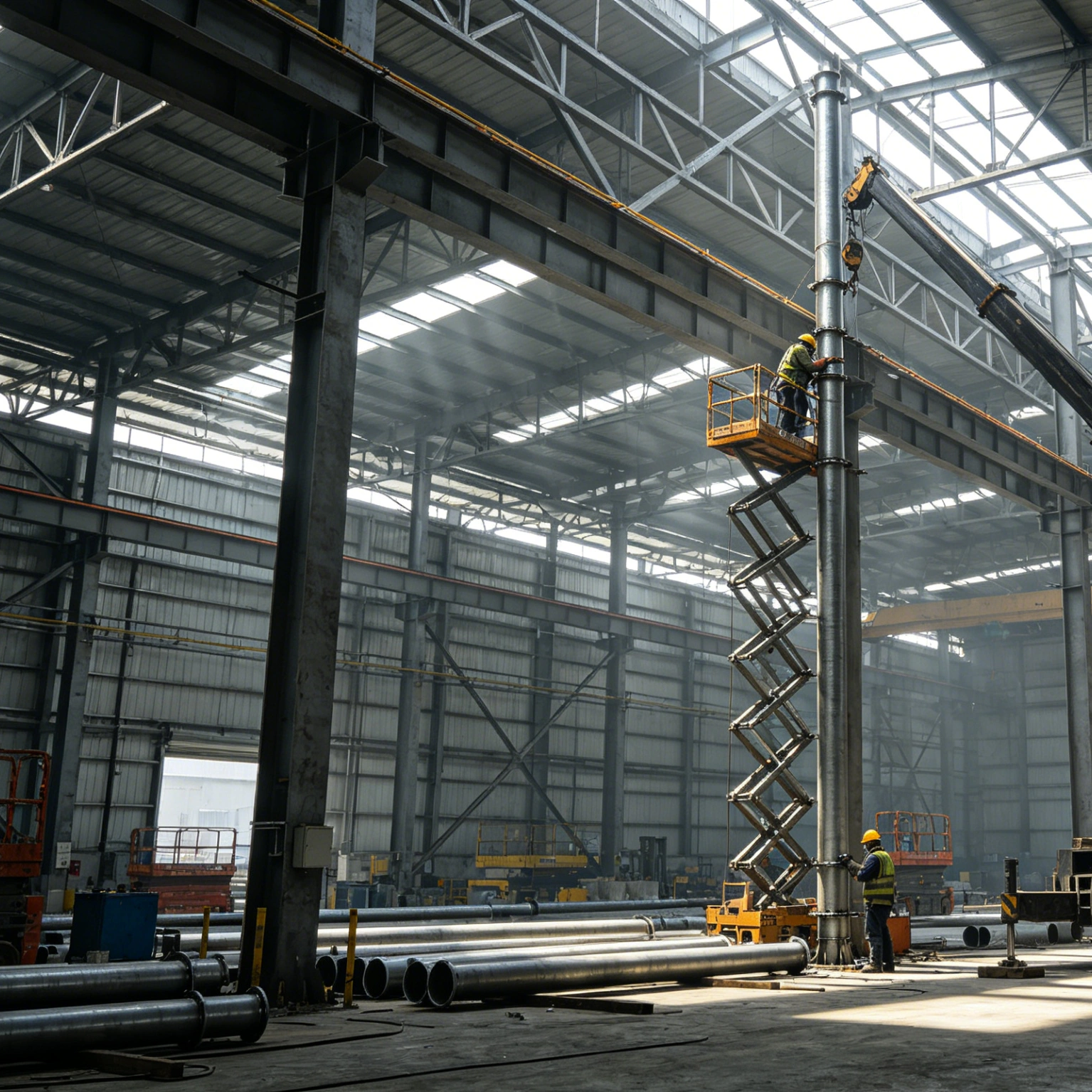
In the construction industry, ASTM A500 Hollow Structural Section is commonly used in steel columns, structural beams, and warehouse frames.
Because HSS offers excellent bending and torsional resistance, it effectively enhances the overall structural stability.
In the bridge and infrastructure sectors, Grade C HSS is frequently used in projects such as large bridge supports, highway structures, and airport terminals.
Compared to traditional structural steel, HSS can increase overall load-bearing capacity while reducing structural weight.
Industrial Applications of ASTM A500 Hollow Structural Section
In the industrial manufacturing sector, ASTM A500 hollow structural sections are widely used in:
- Equipment Frames
- Conveyor Systems
- Machinery Structures
- Industrial Platforms
Rectangular HSS, in particular, provides more stable structural support for heavy-duty machinery and equipment.
ASTM A500 HSS Applications in Renewable Energy
At the same time, demand for ASTM A500 Hollow Structural Section in the renewable energy sector is also growing rapidly.
Solar mounting systems and PV support structures typically use hot-dip galvanized ASTM A500 square and rectangular tubing to enhance corrosion resistance and extend service life.
Advantages of ASTM A500 Hollow Structural Section
ASTM A500 HSS is becoming increasingly popular in modern steel structure engineering, primarily due to its excellent overall performance.
HSS provides higher structural strength while reducing weight.
ASTM A500 hollow structural sections offer excellent torsional resistance, making them particularly suitable for complex load-bearing applications such as bridge structures, machine frames, and steel towers.
ASTM A500 hollow structural sections also offer excellent weldability and fabrication performance, making them suitable for cutting, drilling, welding, and the fabrication of complex structures.
For modern architecture, the clean, sleek appearance of A500 HSS enhances the visual appeal of buildings, making it increasingly popular among architects and engineering firms.
Engineering Solutions for ASTM A500 Hollow Structural Section
As a professional steel pipe manufacturer, ALLLAND Steel Pipe offers customized solutions for ASTM A500 Hollow Structural Sections tailored to the specific requirements of various engineering projects.
Grade A: Warehouse Fencing and Equipment Mounting Systems
For example, in a light industrial warehouse project with a floor area of 4,000 m², the roof load ranges from 0.3 to 0.5 kN/m².
ASTM A500 Grade A, Square HSS 100×100×4 mm, can be selected. Since the structure does not require large spans and the wind load is low, the 33 ksi yield strength of Grade A is sufficient.
The design axial load for a single column is 180–220 kN, while the 100×100×4 mm Grade A HSS has a theoretical axial compression capacity of 350–420 kN, ensuring a sufficient safety factor.
High-grade HSS is not typically used in light-gauge structures, as it increases costs and complicates fabrication.
Grade B: The mainstream choice for commercial buildings and industrial facilities
The typical total dead load for industrial buildings ranges from 0.6 to 1.2 kN/m². The live load on industrial building roofs is usually 0.5 to 1.0 kN/m², while wind loads in standard regions range from 0.35 to 0.50 kN/m².
Taking HSS 300×300×12 mm Grade B as an example, the theoretical axial compression yield capacity of the main columns ranges from 4,300 to 4,600 kN.
The actual allowable design load is set at 45–65% of this value, resulting in an actual allowable axial compression capacity of 2,000–3,000 kN, which is also the most typical design range for industrial buildings.
Grade C: High-rise Buildings and Long-span Structures
High-rise buildings must address issues related to their own weight and excessively large column cross-sectional areas.
Comparison of the same industrial/high-rise structure under “identical design load conditions”:
| Item | Grade B | Grade C |
|---|---|---|
| Column Wall Thickness | 32 mm | 25 mm |
| Steel Weight per Floor | 410 t | 355 t |
| Total Weight Reduction | — | ↓13–16% |
Grade D: High dynamic loads and special operating conditions
Typical Application: Heavy-Duty Port Equipment Platforms
Port Bulk Cargo Handling Platforms:
- Long-term vibration loads
- Corrosive marine environments
- Heavy mechanical impacts
- 24-hour continuous operation
In such cases, the primary concern is fatigue cracking.
Port equipment platforms are typically designed for more than 2 million load cycles.
Under cyclic stress ranges of 30–180 MPa, ASTM A500 Grade D structures provide better toughness and fatigue resistance, helping reduce fatigue cracking and delay crack propagation in long-term dynamic loading environments.
When properly designed and maintained, Class D structures can have a service life of 20 to 25 years in heavy-duty port applications.
FAQ
1. Is ASTM A500 a structural pipe or a pressure pipe?
ASTM A500 is a standard for structural steel pipes, primarily used in steel structure engineering rather than for the conveyance of high-pressure fluids.
2. Can ASTM A500 be hot-dip galvanized?
Yes. ASTM A500 HSS is commonly hot-dip galvanized to enhance corrosion resistance.
3. Is ASTM A500 suitable for welding?
It is highly suitable. ASTM A500 offers excellent weldability and is widely used in steel structure fabrication.
4. What is the difference between ASTM A500 Grade B and Grade C?
Grade C has higher yield strength and tensile strength, making it more suitable for heavy-duty structural engineering.
5. What are the common shapes of ASTM A500 HSS?
These include:
- Square Hollow Section (SHS)
- Rectangular Hollow Section (RHS)
- Round Structural Tube