ALLLAND Boiler Steel Pipe Supply
structures and steel pipe products, which are widely used in various solar energy projects, including small-scale power plants, solar carports, and large-scale photovoltaic installations.
Our solar structures feature excellent strength, outstanding durability, and superior corrosion resistance, making them suitable for demanding environments such as coastal areas, deserts, high-temperature regions, and corrosive conditions.
With a service life of 25–30 years, our products are designed to meet the needs of a wide range of industries.
Alllandsteel is a steel pipe manufacturer based in China with 25 years of experience.
The facility spans 22,000 square meters, represents a RMB 700 million investment, and operates four production lines (JCOE, ERW, SMLS, SSAW) alongside five coating lines.
With an annual production capacity of 250,000 tons, the factory covers specifications ranging from Ø406 to Ø1524 and holds multiple international certifications (API/ASTM/EN/ISO/JIS). Focused on steel pipes, creating value for you!
HOT PRODUCTS
POPULAR ARTICLES
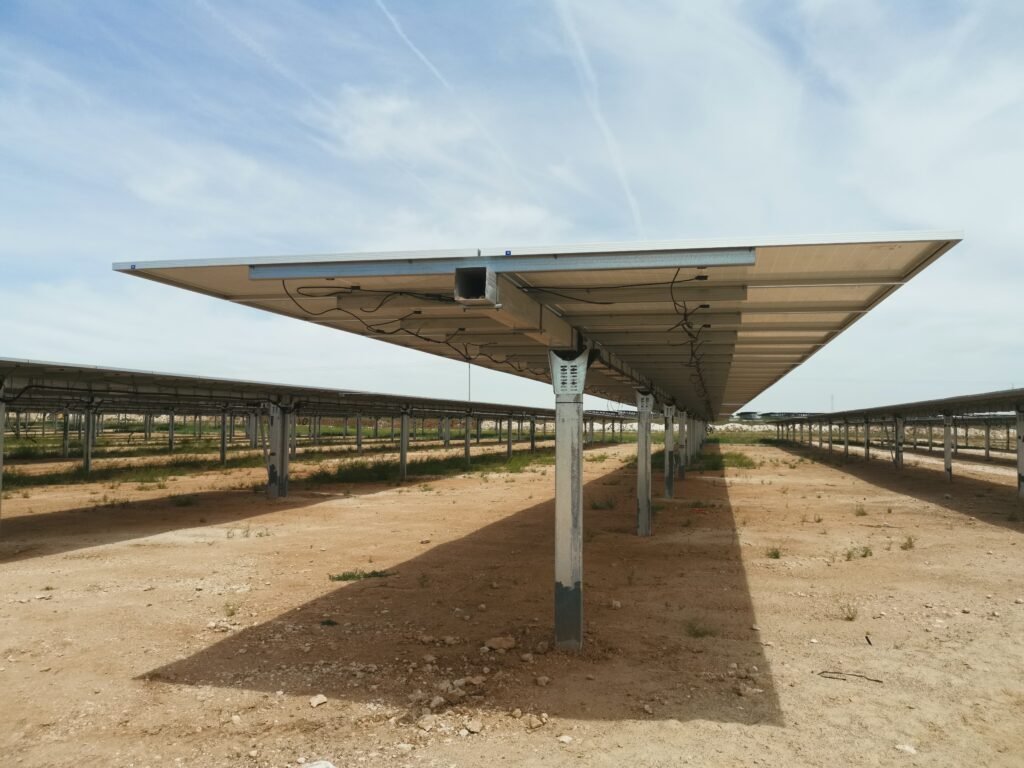
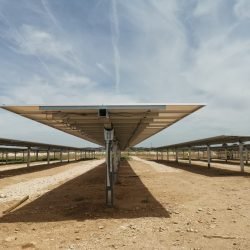
PV solar structures are used to support and secure solar panels, ensuring that the panels maintain an optimal orientation and operate stably and efficiently across various environments and terrains. Since solar panels are typically installed in desert or open areas—regions prone to strong winds, blizzards, or severe weather—PV solar structures must provide sufficient support and stability. PV solar structures are typically manufactured from carbon steel pipes or galvanized carbon steel pipes. They are used not only to support ground-mounted solar panels but also rooftop solar panels, solar carports, and similar applications.
O.D.:
20–1422 mm, including: roof structures: 20–80 mm; solar carports: 60–200 mm; small-scale power plants: 76–406 mm; large-scale power plants: 219–1422 mm.
W.T.:
Light-duty structures: 1.5–3 mm; Standard: 3–6 mm; Heavy-duty structures: 6–12 mm; Pipe piles: 10–60 mm.
Steel pipe types:
ERW/ LSAW/ HSS/ Seamless
Standards:
ASTM/ API/ EN
Steel grades:
A36 / A500 Gr. B, X42 / X52 / X60 / X70, S235 / S275 / S355
Galvanized Coating Thickness:
65–120 μm; thickness varies depending on project conditions.
Load Capacity:
Wind load: 0.3–1.0 kN/m²; Snow load: 0.2–1.5 kN/m².
Service Life:
25–30 years; inspections required every 5–10 years.
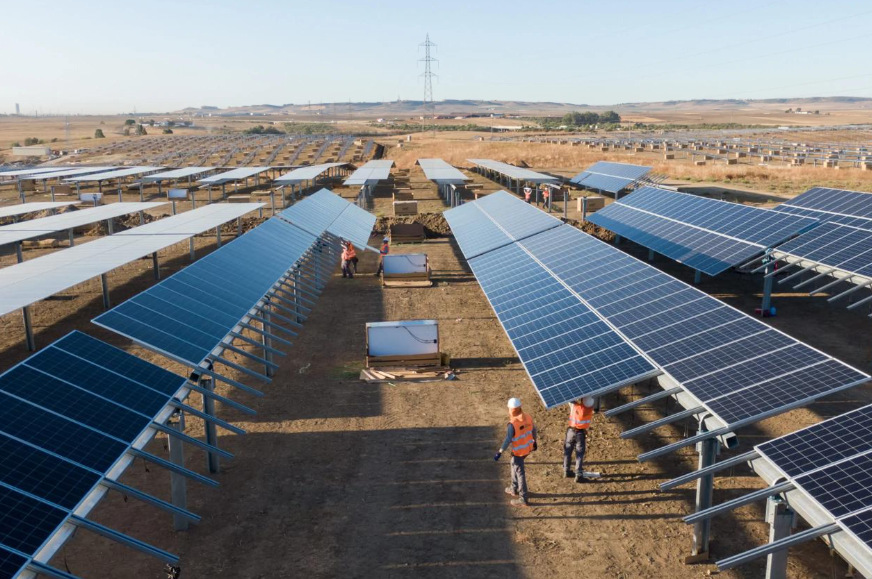
Small-Scale Power Plants
Small-scale power plants are the most common application for photovoltaic mounting systems. Today, communities, gas stations, and small towns typically have small-scale power plants to support their daily electricity needs. LSAW pipes are commonly used for this purpose due to their larger diameter and higher strength. Hot-dip galvanized pipes are also used to prevent corrosion.
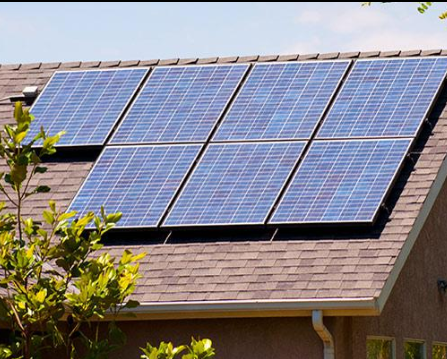
Commercial Rooftop Solar
Suitable for warehouse roofs, shopping malls, or factory roofs. This application requires lightweight designs to minimize the weight of the pipes themselves. Installation must be flexible to allow for rapid completion. HSS pipes or lightweight galvanized pipes are generally used.
Solar Carports
Solar carports combine charging and parking functions and have seen rapid growth in recent years. They can be constructed for both commercial and private parking lots. A combination of round and square pipes is generally used, with galvanization or powder coating applied for corrosion protection.
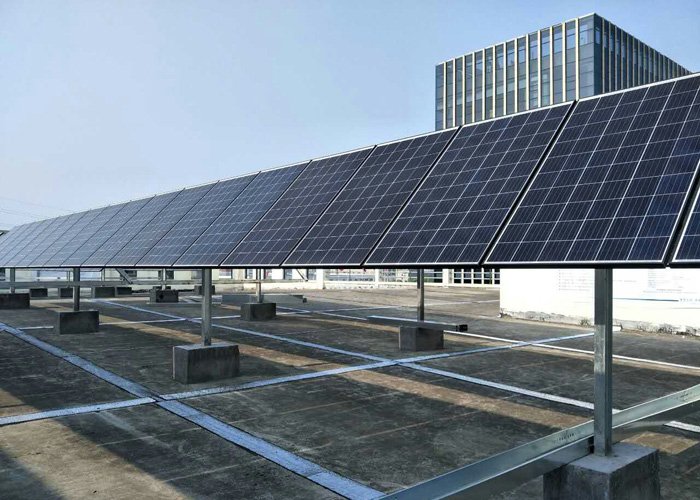
Offshore Solar Power Plants
For coastal or floating offshore solar power plants, the pipes must possess high corrosion resistance, requiring high-grade steel such as the API 5L series.
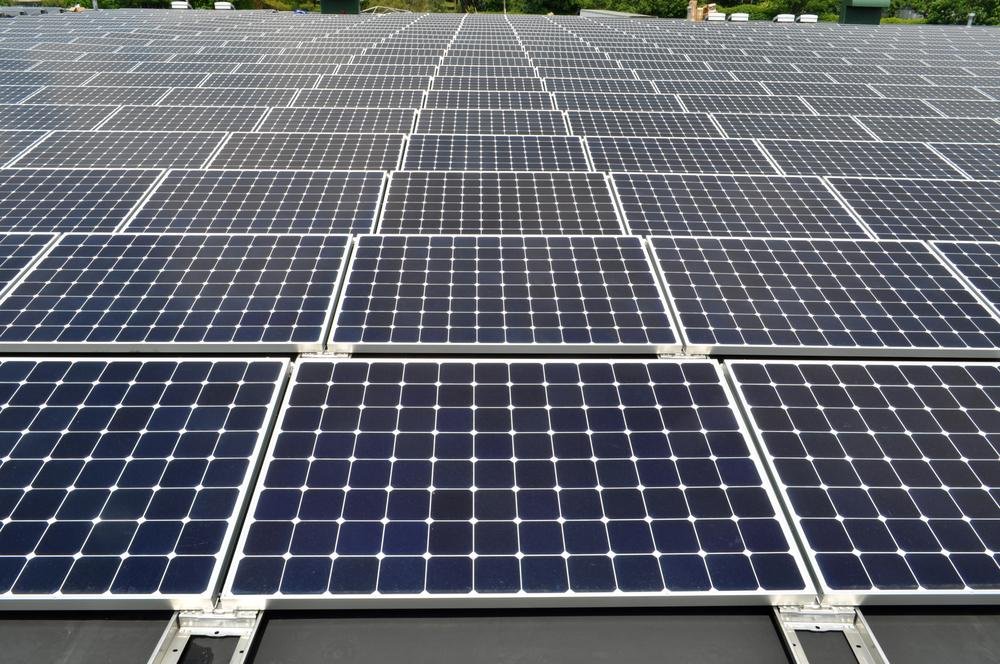
Solar Structures in Harsh Environments
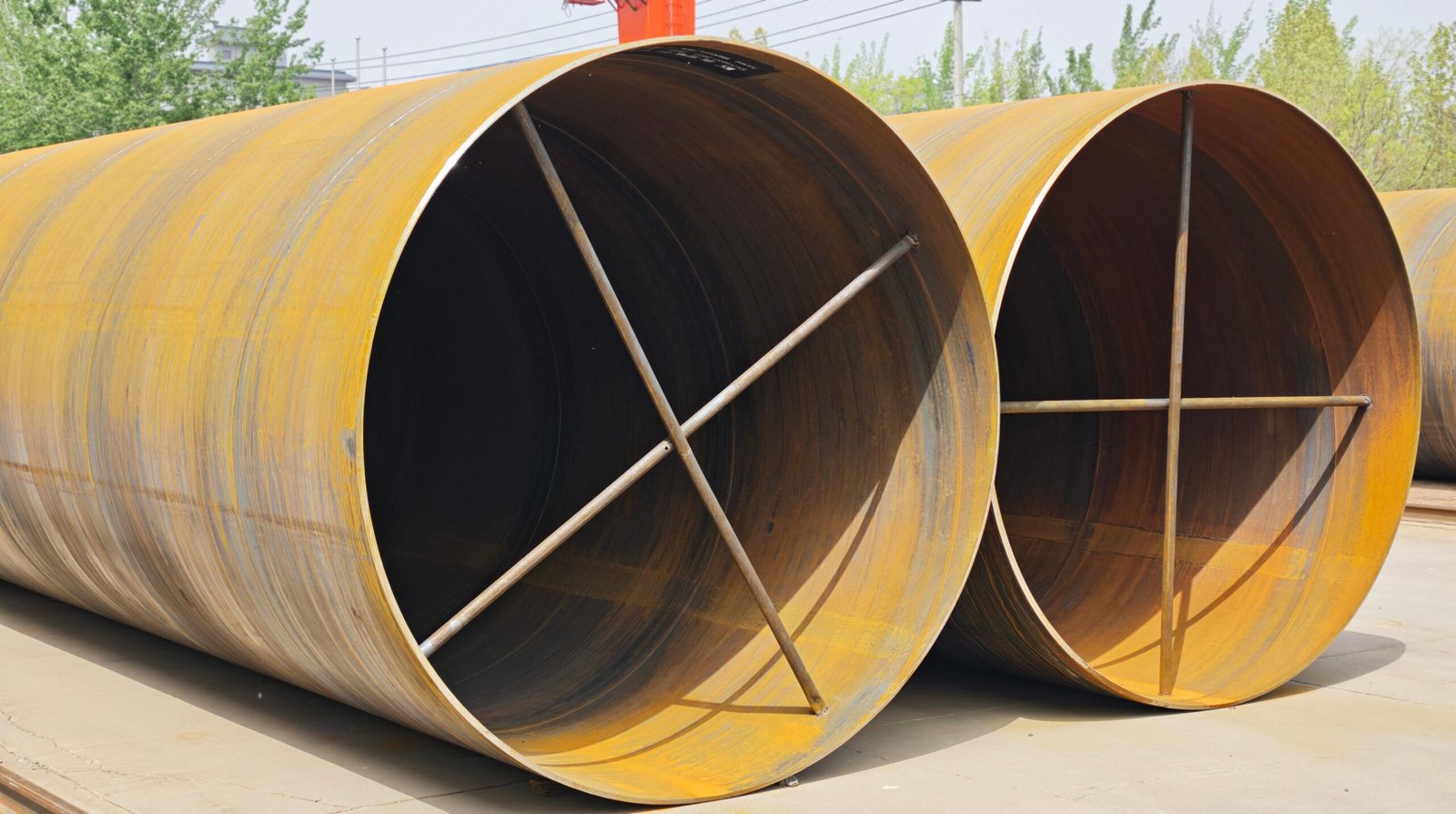
For PV solar structures in deserts, high-altitude regions, or areas with strong winds, high-strength welded pipes (ERW, LSAW) are generally used. These must have a high load-bearing capacity and be able to withstand significant temperature fluctuations.
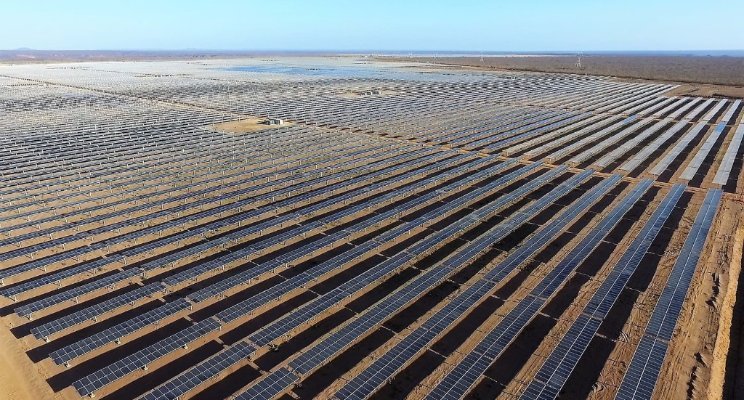
A critical component between the main and secondary beams is the solar torque tube. Its function is to enhance the photovoltaic mounting system’s torsional capacity, allowing the solar panels to track the sun’s movement. It also prevents twisting under uneven load distribution and withstands lateral loads. In specific scenarios, the solar torque tube plays a vital role.
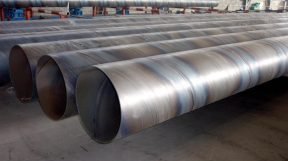
1. LSAW Large-Diameter Steel Pipes
Applications: Support columns for utility-scale power plants and ground-mounted power plants
Features: High strength, flexible wall thickness, suitable for high loads.
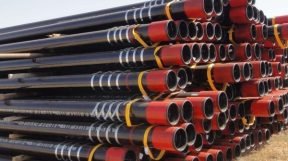
2. ERW Pipes
Applications: Small-scale PV mounting systems, rooftop PV systems
Features: Fast production speed, low cost, good wall thickness uniformity
3. Seamless Pipes
Applications: Specialized and extreme engineering projects
Features: Highest strength; seamless construction ensures greater stability
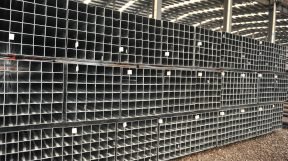
4. Square and Rectangular Tubes
Applications: PV carports and rooftop structures
Features: Easy to install; suitable for modular systems
5. Galvanized Steel Pipes
Applications: Outdoor PV structures
Features: Strong corrosion resistance; long service life
| Standard System | Standard | Description | Application in PV Solar |
| ASTM (USA) | ASTM A53 | Welded & seamless carbon steel pipe | General structural use / support pipes |
| ASTM (USA) | ASTM A500 | Cold-formed structural tubing (HSS) | Solar frames / carports / rooftop systems |
| API (USA) | API 5L | Line pipe standard (X42–X70) | High-strength piles / large solar farms |
| EN (Europe) | EN 10219 | Cold-formed welded structural steel | Solar mounting structures |
| EN (Europe) | EN 10210 | Hot-finished structural steel | Heavy-duty PV structures |
| ISO | ISO 1461 | Hot-dip galvanizing standard | Corrosion protection (HDG coating) |
| AS/NZS (Australia) | AS/NZS 1163 | Structural steel hollow sections | PV structures in Australia |
| JIS (Japan) | JIS G3444 | Structural carbon steel tubes | General solar structure use |
| GB (China) | GB/T 6728 | Cold-formed structural hollow sections | Solar mounting systems |
| GB (China) | GB/T 3091 | Welded steel pipe | General fluid & structural use |
1. Steel pipes are a primary material in photovoltaic power plants and serve as the critical support structure for solar panels to generate electricity. They bear wind loads, snow loads, and their own weight.
2. The typical lifespan of a photovoltaic project is 25–30 years, so the steel pipes used for support must have a corresponding lifespan. Hot-dip galvanized pipes are well-suited to meet this requirement. They are more durable and cost-effective than other materials.
3. Photovoltaic systems are diverse, ranging from small-scale power plants to solar carports and offshore installations. Steel pipes come in a variety of processed forms, allowing them to perfectly suit different project requirements.
4. Compared to support structures made from other materials, steel pipes are more cost-effective, easier to transport, and can be produced in large volumes.
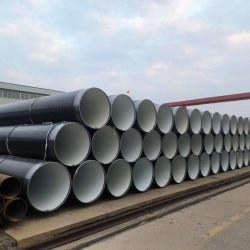
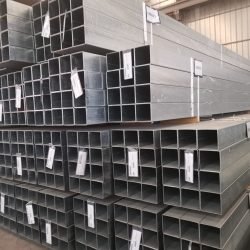
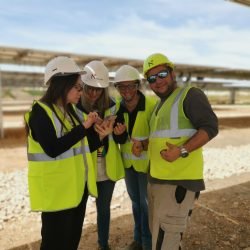
We specialize in pipe production, operating three pipe production lines and three anti-corrosion coating lines. This allows us to integrate pipe production and processing into a single, seamless process. All pipes are manufactured in strict accordance with standards and undergo comprehensive inspection procedures.
· Raw Material Testing (Chemical Composition)
· UT Testing (Ultrasonic)
· Wall Thickness Testing
· Galvanized Coating Inspection (μm)
· MTC (Material Test Certificate)
These are essential inspections, and we may add additional testing items as required by the client or applicable standards.
We are not only a steel pipe manufacturer but also a provider of advanced steel pipe processing. We possess capabilities in cutting, drilling, welding, bending, and coating, enabling us to customize products according to client needs. This reduces customer costs, eliminates on-site construction hassles, and improves overall installation efficiency. It also minimizes pipeline processing risks and prevents dimensional deviations or structural changes caused by different manufacturers.
Our welding process combines fully automated and manual techniques to ensure consistency between the weld and the base material. Additionally, we use CNC drilling to guarantee precise dimensions and ensure smooth installation of photovoltaic mounting systems.