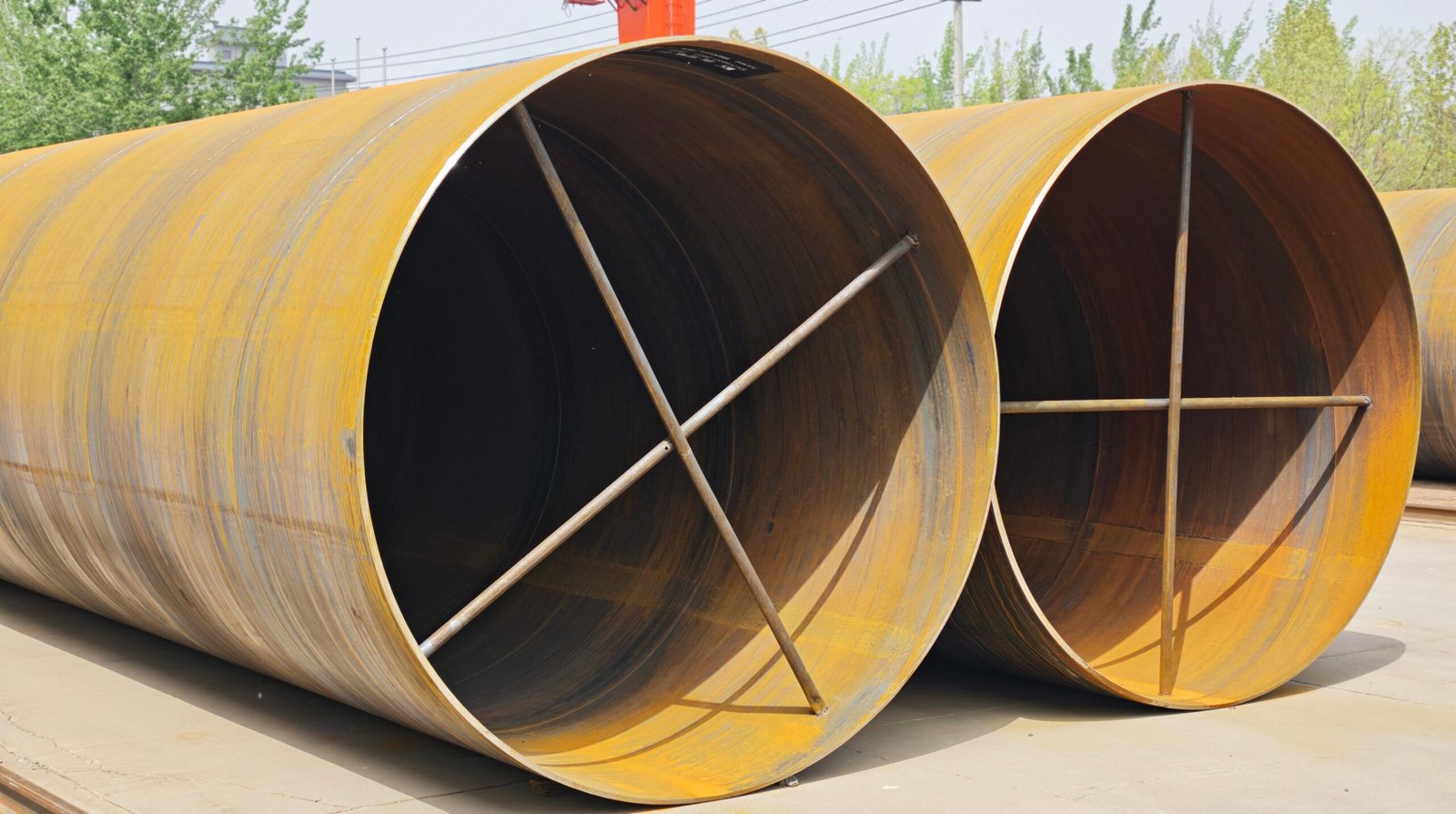
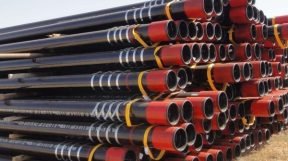
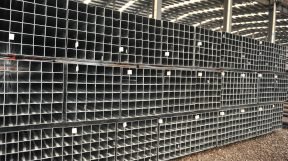
AS/NZS standards, formally known as Australian/New Zealand Standards, constitute a joint technical specification system for steel pipes developed and published by Australia and New Zealand. Widely adopted across both regions, these standards define pipe dimensions, materials, mechanical properties, manufacturing processes, and applications. Compliance with AS/NZS certification is mandatory for steel pipe products entering the Australian and New Zealand markets.
The development of AS/NZS standards thoroughly considers local environmental characteristics: coastal regions, highly corrosive environments, and building safety regulations. Consequently, compared to other internationally recognized standards, AS/NZS standards offer superior durability and applicability. Core standards include: AS/NZS 1163 (Structural Hollow Sections), AS/NZS 1074 (General Purpose Steel Tubes), and AS/NZS 1574. AS/NZS standards represent not only market access requirements but also a reflection of a company’s comprehensive capabilities.
AS/NZS Core Standards Overview
AS/NZS 1163 – Structural Steel
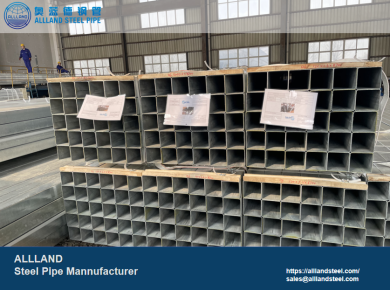
One of the most critical standards in Australia and New Zealand, this specification covers structural steel primarily used for building support functions. It includes three cross-sectional forms: circular, square, and rectangular. Typically manufactured using welding processes, the standard defines product dimensions, cross-sections, surface characteristics, and performance metrics. The most commonly used grades are C250 and C350, with this standard widely applied in construction and large-scale engineering projects.
AS/NZS 1074 – Pipes and Fittings
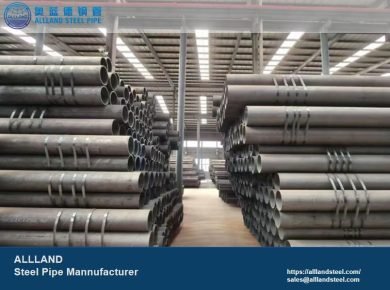
This standard establishes technical specifications for steel pipes and fittings, defining specific dimensions and performance requirements for pipelines used in transportation applications. Compared to other standards, it offers greater versatility and exceptional cost-effectiveness.
AS/NZS 1579 – Scaffolding Tubes
This standard explicitly defines the outer diameter, wall thickness, mechanical properties, load-bearing capacity, and surface quality of steel tubes used for scaffolding. Pipes conforming to this standard can be repeatedly assembled and reused, offering exceptional durability.
Manufactured strictly in accordance with recognized tandards such as ASTM, ASME, EN, or DIN.
Chemical composition and mechanical properties are rigorously controlled to meet pipeline requirements.
Outer diameter, wall thickness, and tolerances fall within standard specifications.
Heat treatment processes including normalizing, tempering, or annealing are performed according .
Surfaces shall be free from harmful defects such as cracks or laminations and comply with surface quality requirements.
AS/NZS Standard Scope
Material Requirements
Chemical Composition Requirements (C/Mn/P content, etc.)
Alloying Element Requirements
Weldability Requirements
Mechanical Property Requirements
Yield Strength
Tensile Strength
Elongation
Impact Resistance
Ductility Requirements
Manufacturing Process Requirements
Dimensions (OD, Wall Thickness, Length)
Tolerance Range
Straightness
Ovality
Inspection Requirements
Chemical Composition Analysis
Mechanical Property Testing (Flattening, Impact, Tensile)
Non-Destructive Testing
Factory Quality Documentation